

Audio By Carbonatix
In recent years, Ghana has made significant efforts to improve SIM subscription management. Between 2021 and 2023, the country performed a nationwide SIM registration exercise to link each SIM card to a verified identification. Today, with a vast database of previously registered SIM cards in place, the focus has switched to verification and validation rather than full re-registration.
Understanding the distinction is critical for both policymakers and mobile subscribers. SIM card registration was implemented to boost national security, prevent fraud, and increase responsibility in telecommunications. The National Communications Authority (NCA) oversaw the process, which required mobile customers to link their SIM cards to their national identity, largely through the National Identification Authority (NIA) database and the Ghana Card.
The exercise aimed to eliminate anonymous phone usage, which had been linked to scams, mobile money fraud, and other cybercrimes. By connecting each SIM to a verified identity, authorities sought to create a safer and more transparent telecommunications environment. One key reality today is that a comprehensive database of registered SIM cards already exists.
Millions of subscribers went through the registration process, providing personal details and biometric data. Because of this, the issue is no longer about collecting information again from scratch. Instead, the challenge lies in ensuring the accuracy and integrity of the data already collected. In other words, the focus should be on verifying that the information provided matches official records and validating that the SIM cards are still being used by their rightful owners.
The Logical Step at this point is verification and validation of existing records. The verification and validation serve different but complementary purposes. The Verification process involves confirming that the information provided during registration matches records in official identity databases. For example, a SIM card linked to a Ghana Card number can be cross-checked against the NIA database to ensure the identity is legitimate.
The Validation process, on the other hand, ensures that the SIM card is active, legitimate, and still associated with the same user. This may involve confirming biometric data, checking ownership details, or verifying that the SIM card is not linked to fraudulent activities.
By focusing on verification and validation, authorities can clean up the existing database without forcing citizens to go through another cumbersome registration process. Repeated SIM re-registration exercises can create several challenges, such as public inconvenience, resource waste, data duplication risk, and economic disruption.
These challenges highlight why improving the existing systems is more practical than restarting the entire process. The verification and validation-based approach has the advantages of ensuring efficiency, accuracy, security and convenience.
Modern digital systems make verification easier. Biometric matching, database integration, and automated cross-checking can quickly identify inconsistencies in SIM registration records. Integration between telecom operators and national identity systems allows authorities to maintain accurate subscriber data in real time.
Ghana has already made significant progress in SIM card registration, establishing a nationwide database linked to verified identities. The priority now should not be repeated registration but effective verification and validation of the data already collected.
By focusing on improving and maintaining the existing database, regulators can strengthen national security, reduce fraud, and make the telecommunications system more efficient without placing unnecessary burdens on the public.
A well-managed verification system will ensure that SIM registration in Ghana continues to serve its intended purpose: creating a secure and accountable digital communication environment.
-
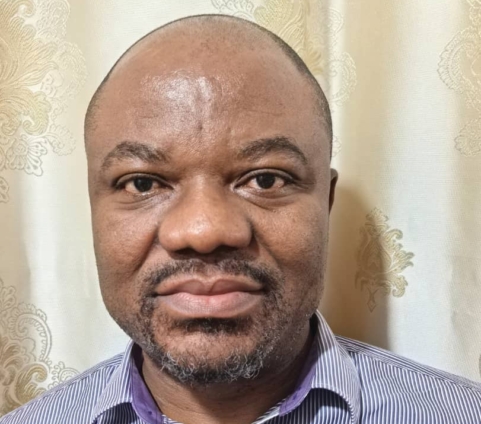
The author, Dr John Kwao Dawson, is a lecturer at the Computer Science Department of the Sunyani Technical University.
Latest Stories
-
Dr Olukoya-backed MFM rules Nigerian women’s basketball
2 minutes -
THE LAW 101: Before you fly that drone
4 minutes -
Wa West DCE, MP hand over and commission health, education, and hospitality projects
8 minutes -
Drone ownership does not give unrestricted right to fly anywhere – Anyenini
14 minutes -
GFA confirms two-legged format for FA Cup final
16 minutes -
GWL assures of efforts to improve water supply in Tema, Ashaiman amid shortages
28 minutes -
Community 25 residents demand answers over two-month water shortage
46 minutes -
Ampem Darkoa Ladies and Hasaacas Ladies clash in 2026 Women’s Champion of Champions
52 minutes -
Business dies when luxury takes over leadership
1 hour -
No family should lose everything to save a loved one – GMTF administrator
1 hour -
Bawumia has the dignity to lead and the vision Ghana needs – Gabby
1 hour -
GOC, GFA chart Olympic qualification roadmap for Black Queens, Black Meteors
1 hour -
Absa InspireMe 2026 highlights opportunities for women-led business growth
1 hour -
The only thing that flows regularly is THE BILL
2 hours -
KGL U17 Colts 2026: Prempeh Elite Academy lead Group A as Western Region secures top spot in Group B
2 hours