

Audio By Carbonatix
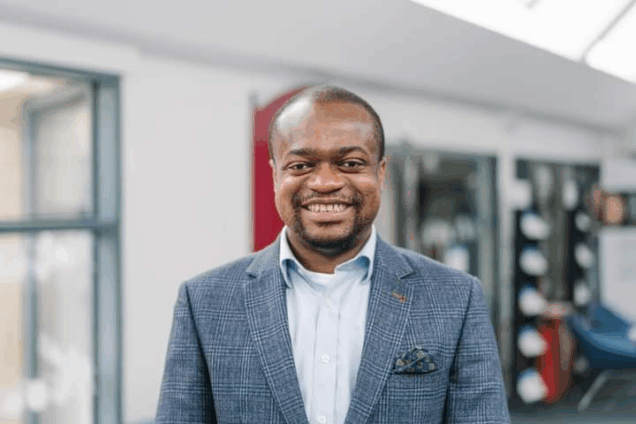
The Economic Policy Advisor to the Vice President has described the reactivation of Ghana’s sinking fund as a critical step in shielding the country from future debt shocks.
Dr Sharif Mahmud Khalid, speaking on Joy News’ PM Express on Wednesday, June 17, argued that this move, along with fiscal discipline and targeted reforms, is what earned the country its latest credit upgrade by Fitch Ratings.
Fitch had upgraded Ghana’s Long-Term Foreign-Currency Issuer Default Rating (IDR) from ‘Restricted Default’ to ‘B-’ with a Stable Outlook, citing improved debt servicing prospects.
Dr Sharif Khalid said, “If you’ve activated a sinking fund, which is an insurance measure, to service most of these debts, and then you’ve committed to both external and domestic debt programs, invariably, it’s going to improve [your rating].”
He called the sinking fund a signal of commitment and responsibility.
“It’s not just about Fitch. It’s about what we’re doing internally. Reactivating the sinking fund tells the markets that we are serious about debt service. That’s insurance for our future.”
Dr Sharif Khalid was quick to clarify that this recovery isn’t accidental.
“The government’s commitment, initiative, and program have brought us here. This didn’t come from luck. It came from decisions—some of them difficult ones.”
Responding to co-panellist Prof. Godfred Bokpin’s concerns about premature confidence, Dr Sharif Khalid said the government isn’t acting with hubris.
“I wouldn’t say the government is getting bullish. What we’re doing is stabilising. That’s the priority. We’re tightening internal controls, reducing appointments, and managing spending. These are deliberate signals to the market.”
He explained that the impact of spending decisions is often preempted by the budget itself.
“Once the budget is read, the market responds—whether you’ve spent a penny or not. That’s because the market knows your allocations. So yes, spending matters, but perception drives market response too.”
On the bigger picture, Dr Sharif Khalid tied Ghana’s recovery trajectory to its domestic debt exchange programme, which helped calm investor fears and reduce short-term risk.
“Prof [Bokpin] mentioned that we started to make some gains thanks to the domestic debt exchange programme. That’s true. That alone sent a signal to rating agencies. And now that we’ve made external commitments through the Paris Club and China, those too feed into the outlook.”
Despite the external upgrade, Dr Sharif Khalid noted that the government isn’t rushing back to foreign capital markets.
“We’re not ready to push externally yet. We’re still focused on stabilising the domestic market. Until we see more consistency and resilience at home, we’re holding off.”
Dr Sharif Khalid was both optimistic and cautious. While celebrating the upgrade, he stressed that it should be seen as a “vote of confidence in our reforms”, not an invitation to relax.
“The last thing we want is to fall back. We’ve seen the bottom. We’ve taken the pain. Now we have to build. The reactivation of the sinking fund shows we’re planning ahead.”
Latest Stories
-
Wealth Over Water: How Galamsey Is Threatening Ghana’s Water Security
15 minutes -
LA 2028: Black Queens pumped up for second leg of Mauritius tie
23 minutes -
LA 2028: Black Queens hold final training session ahead of second leg against Mauritius
57 minutes -
Standards are not Seasonal: What the EC appointments teach both sides
1 hour -
King Mohammed VI urges private sector to create youth jobs and spread benefits of growth
1 hour -
KGL U17 Colts 2026: Greater Accra win title after penalties win over Western Region
1 hour -
UK Investment Roadshow opens in London to advance UK-Ghana growth partnership
1 hour -
Assemblies of God requires pastors to resign before entering partisan politics – Rev. Wengam
2 hours -
Ghana targets 20% annual reduction in maternal deaths – Health Minister
2 hours -
Cyber attacks in Africa grow faster than global rate, report finds
2 hours -
Ghana signs UAE deal to create 5,000 overseas jobs
2 hours -
One Million Coders Programme targets 100,000 digital jobs in two years – Sam George
2 hours -
John Jinapor, Italian Ambassador explore opportunities for energy sector investment
2 hours -
NHIA seeks legal reforms to support Free Primary Healthcare
2 hours -
Beatrice Annan defends Afi Agbenyo’s EC appointment, cites record of gender advocacy
2 hours