

Audio By Carbonatix
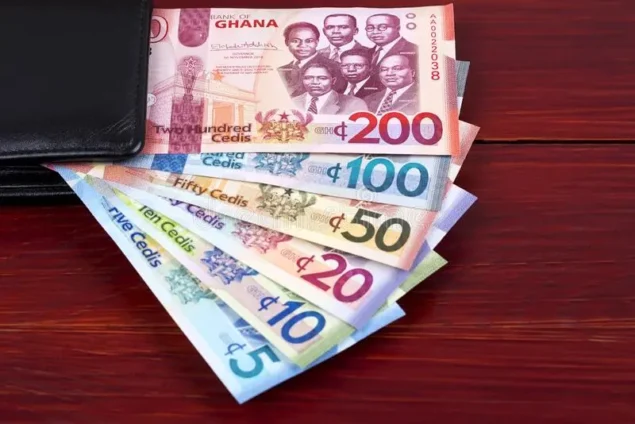
Ghana's cedi, which has suffered a steady decline in recent weeks, has now become the worst-performing currency in sub-Saharan Africa and one of the worst performers on the continent.
According to multiple analyses, including publications by Reuters using data from the London Stock Exchange Group (LSEG), the cedi has suffered a steady decline so far in 2026, thereby assuming the unenviable position of the worst-performing currency in West Africa on a year-to-date basis.
At the time of the reports last week, which rated the cedi as having declined by 10.28% year-to-date, it traded at 11.36 cedis to the dollar, with a Reuters report particularly predicting a further decline in the week ahead.
“Ghana's cedi is being dragged down by persistent corporate foreign-currency demand, particularly from the energy sector,” the Reuters report said, showing trends of consistent decline of the cedi in recent weeks using data from LSEG.
The report predicted further decline in the weeks ahead and, true to the prediction, the slump continued, as the cedi closed trading last week at a further depreciated rate of 11.61 to the dollar, maintaining its high year-to-date percentage decline among West African currencies.
The cedi is one of nine currencies in West Africa, including the CFA franc, which is used by eight West African countries.
Among the currencies in West Africa, the cedi has so far, in 2026, recorded the biggest year-to-date decline of 10.28% as of the beginning of May, which also places it among some of the continent’s worst-performing currencies in 2026, such as the Libyan dinar, which recorded a 17.21% decline against the US dollar.
Positive indicators, weak currency
The continuous decline of the cedi, despite assurances by the Bank of Ghana, contradicts recent positive economic indicators — a situation that continues to raise anxiety and concern.
Despite inflation declining significantly, the cedi continues to underperform, with traders paying far above official rates used for the analysis on the forex market.
This situation has contributed to soaring prices of goods despite the significant drop in the inflation rate.
As the Reuters report noted, demand for forex from importers is fuelling a “steady” slide of the cedi.
The cedi, the report concluded, “is on a depreciating path due to persistent FX demand, with traders expecting the trend to continue.”
Latest Stories
-
He entered at eight. He is now 16: Ghana’s children growing up in prayer camps
2 hours -
‘Development must not always begin from Accra’ — Anwelle Foundation launched in Jirapa
2 hours -
PKO trio eye victories at Odwira Festival
4 hours -
346 Ghana Navy recruits pass out after 26 weeks of intensive training
4 hours -
Newsfile to discuss EOCO-MP arrest, drug trafficking, speech arrests and $235m water debt
5 hours -
JoyNews gets results as listeners raise GH¢40,000 to help 17-year-old student with cerebral palsy attend SHS
5 hours -
Vice President calls for stronger local pharmaceutical production to reduce medicine imports
6 hours -
The brewing tension at KNUST; Beware the Ides of October….
6 hours -
Health Ministry moves to integrate traditional medicine into mainstream healthcare
6 hours -
550 pupils in Kintampo South get educational lifeline as ‘Seeds of Hope’ reaches farming communities
7 hours -
Opoku Mensah urges Christian Council, House of Chiefs to speak up on democratic freedoms
7 hours -
Teacher unions’ strike: Minority demands immediate payment of teacher arrears, 20% deprived area allowance
7 hours -
The Accra-Kumasi Expressway: Building it right
7 hours -
Beyond gold exports: Building value and economic resilience from Ghana’s gold
7 hours -
2027 AFCONQ: Ghana under pressure as Gambia beat Somalia 2-1
8 hours