

Audio By Carbonatix
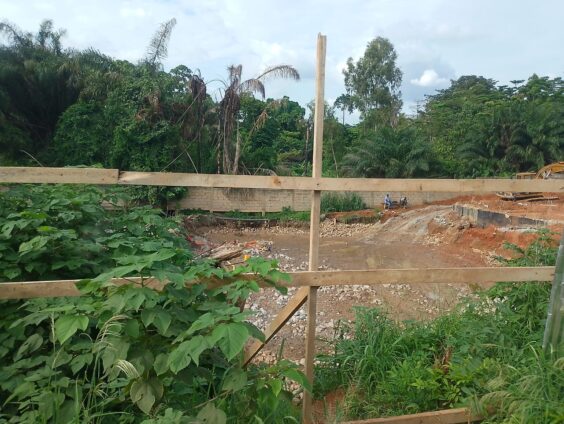
Encroachment on wetlands and the blockage of a natural stream channel behind the Kwame Nkrumah University of Science and Technology, Kumasi (KNUST) may have significantly contributed to the recent overflow of the Wewe River that flooded sections of the university campus, according to preliminary assessments by the National Disaster Management Organisation (NADMO).
The flooding, which followed days of heavy rainfall in Kumasi, submerged portions of the KNUST floodplain and temporarily overtopped bridges linking parts of the campus.
However, officials say investigations point to a combination of natural river flooding and human activities that have restricted the river's ability to discharge excess water.
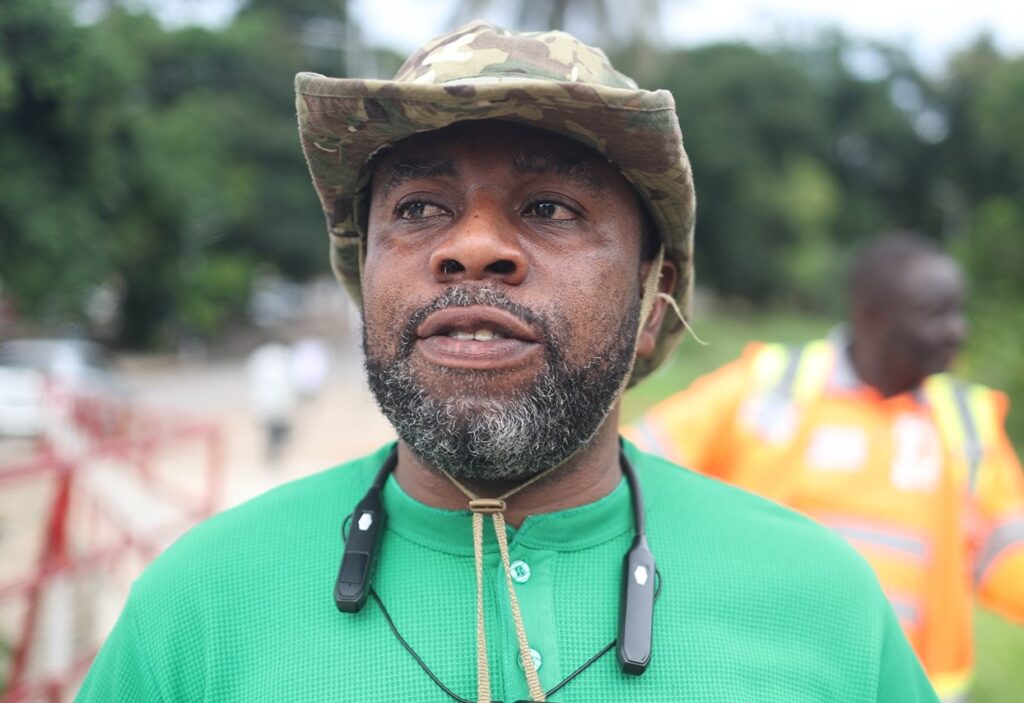
Standing beside ongoing dredging works near the affected area, Deputy Ashanti Regional Director of NADMO, Mr. Charles Oppong, said assessments conducted after the incident revealed that portions of wetland reserves behind the university's boundary wall had been encroached upon and altered.
"Behind sections of the KNUST wall, there has been some encroachment and some wetland reserves have been filled," Mr. Oppong told journalists during a site inspection.
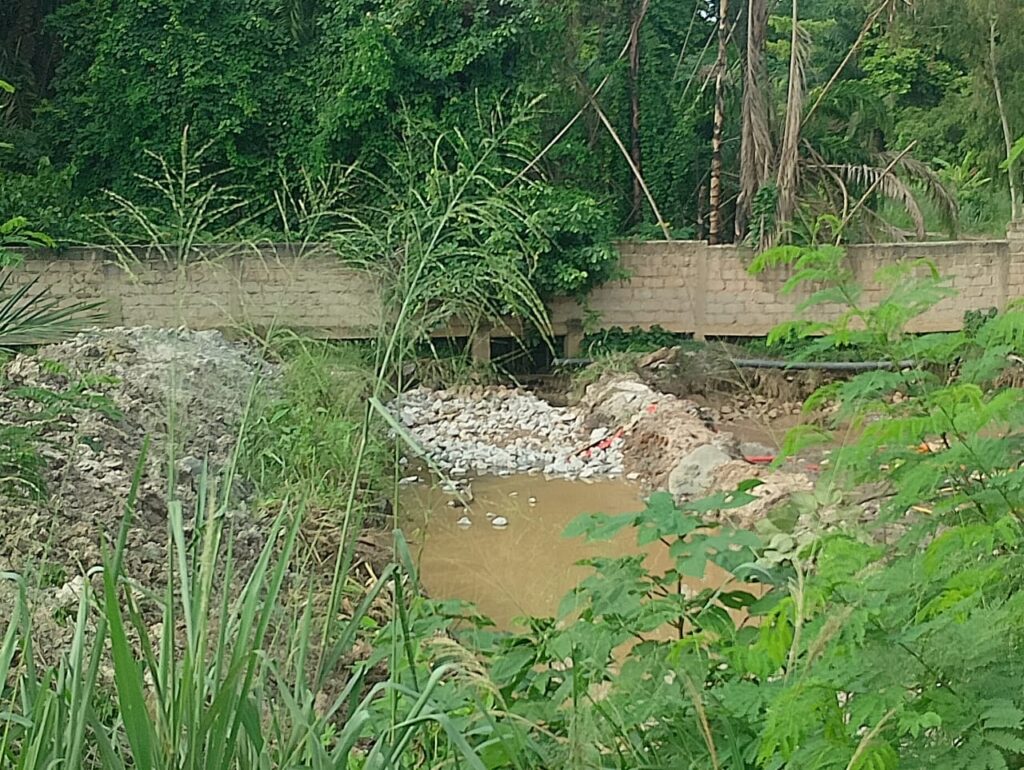
According to him, some of the most significant encroachments were identified opposite the Ahinsan Police Post, where portions of the wetland have been reclaimed and sections of a natural stream channel obstructed.
"The stream has even been blocked," he said, explaining that such activities interfere with the natural movement of water and increase the risk of flooding during periods of intense rainfall.
Mr. Oppong noted that wetlands serve as natural flood buffers by storing and gradually releasing excess water during heavy storms.
"These wetlands naturally hold and slow down water during heavy rains. Once they are filled or built upon, the river loses part of its natural buffer system," he said.
The assessment also identified silted and partially blocked drainage channels as another contributing factor.
According to Mr. Oppong, water that would normally flow freely through drainage systems and into the river encountered restrictions, causing water levels to rise rapidly during the downpour.
"The drains had not been dredged for some time. When drains become choked, the movement of water becomes difficult and that contributed to the flooding we witnessed," he explained.
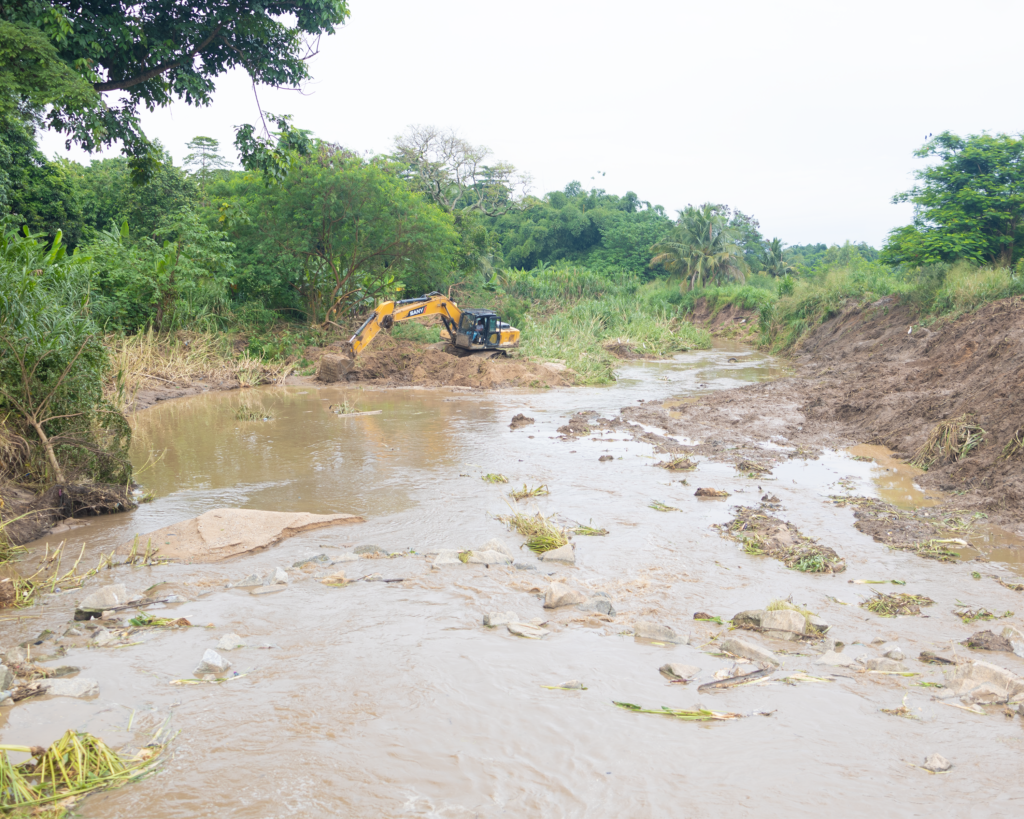
Images from the site show extensive dredging operations underway, with excavators widening sections of the river channel and removing accumulated sediment and debris.
The exercise is being carried out through a collaboration involving KNUST management, the Ashanti Regional Coordinating Council and NADMO following directives from the Ashanti Regional Minister.
The works are expected to restore the river's carrying capacity and improve water flow during future rainfall events.
Floodplain intact nonetheless
Flood risk expert and KNUST lecturer, Prof. Divine Ahadzie, said while the overflow attracted public attention, the university's extensive floodplain had largely performed the role for which it was originally preserved.
"What happened was a typical case of river flooding. The river overflowed its banks because of the volume of water generated by rainfall upstream," he explained.
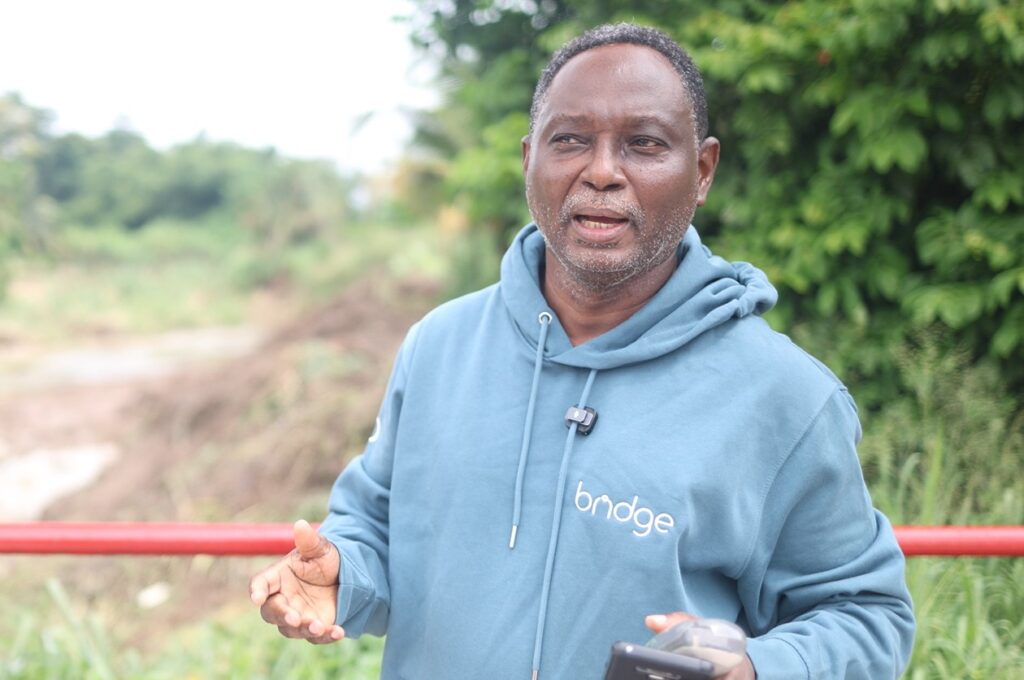
He noted that the open area where floodwaters spread had been intentionally left undeveloped when the university was established more than seven decades ago.
"The floodplain was preserved for this exact purpose. Once in a while, the river will overflow its banks and the excess water needs somewhere to spread safely," he said.
According to Prof. Ahadzie, the incident offers an important lesson for urban planners and local authorities across Ghana, particularly in rapidly growing cities where wetlands and floodplains have increasingly been converted into residential and commercial developments.
"If this area had been developed with houses or infrastructure, the floodwaters would have had nowhere to go and the impact would have been much worse," he said.
He argued that the KNUST floodplain serves as a practical example of how preserving natural flood storage areas can reduce disaster risks while protecting nearby communities.
Prof. Ahadzie said the flooding also highlights the consequences of encroaching on wetlands and natural waterways that have historically served as drainage corridors.
"The lesson from this incident is that floodplains and wetlands are left for a purpose. When we build on them or block natural streams, we create problems for ourselves because water will always find a way," he said.
As excavators continue widening parts of the river corridor and clearing accumulated debris, officials say the immediate threat has been contained.
"We want to assure the public that the situation is under control," Mr. Oppong said. "The dredging is ongoing and we are already seeing improved water flow through the channel."
Latest Stories
-
Standard Chartered Bank delivers strong returns and sustainable shareholder value
6 minutes -
Akufo-Addo’s role in the artificial cedi stability is indisputable — Facts do not bend to political convenience
8 minutes -
Breaking Bad actor RJ Mitte dies aged 34
15 minutes -
Wontumi pleads not guilty in GH¢30m Exim Bank loan case
20 minutes -
Beyond the Flyer: Awareness without screening is not enough
26 minutes -
Bekwai MP donates GH¢100,000 to hospital for specialist equipment
34 minutes -
Van Vicker sues Lil Win for defamation, demands GH¢10m
40 minutes -
FIFA/ FIBA agency Pep Sports moves to admit Ghana’s 7-Foot Basketball talent to its Ultra-Modern Sports campus after MyJoyOnline report
42 minutes -
GAUA strike disrupts academic plans at University of Ghana as students, parents express frustration
46 minutes -
Dad’s Army/African Polistas crowned champions of 2026 Accra Polo Club Trustees’ Cup
53 minutes -
Mahama approves Integrated Basic Education Model, with funding expected in 2027 under GETFund formula
56 minutes -
Money-driven elections fuelling corruption – Haruna Iddrisu
1 hour -
Excessive borrowing ‘cracked’ Ghana’s economy under Akufo-Addo – Haruna Iddrisu
1 hour -
NPP’s silence on economic indicators suggests Mahama is doing better – Haruna Iddrisu
1 hour -
GoldBod must be more accountable to Ghanaians – Haruna Iddrisu
2 hours