

Audio By Carbonatix
Natural disasters typically refer to events that result from natural processes or forces, such as earthquakes, hurricanes, floods, and wildfires, which occur independently of human activity. These events are often unpredictable and uncontrollable.
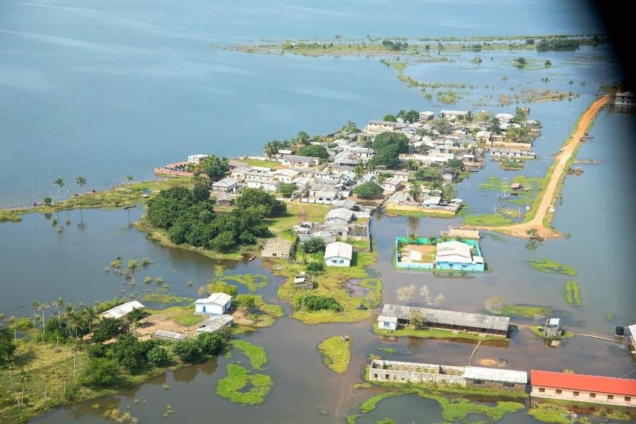
The Akosombo Dam spillage, on the other hand, is a consequence of human-made decisions and actions. The Akosombo Dam is a hydroelectric dam that was constructed to generate electricity, and the release of water from the dam is typically a controlled and planned operation to manage water levels and generate power. Spillage events are a result of management decisions, often based on factors like water level management, seasonal variations, or response to weather conditions.
When a spillage leads to flooding, damage to properties, displacement, and loss of livelihood, it is not classified as a natural disaster but rather an unintended consequence of the dam's operation. Such situations may fall into the category of human-made or anthropogenic disasters, as they are linked to decisions related to dam management and water release. Every industry has its best practices and must be religiously followed. To the extent that it has caused this quantum of havoc is nothing but negligence.
In this case, it's essential for responsible authority, the Volta River Authority (VRA), the operators of the Akosombo Dam, to take accountability for the impacts of spillages and address the damages and consequences through compensation, recovery, and mitigation efforts. Public safety, environmental protection, and the well-being of affected communities should be key considerations in managing the operation of such dams to minimize negative impacts.
Available Remedies to victims.
The Akosombo Dam spillage and its consequences can lead to various types of claims for damages, lost livelihoods, and displacement. Here are potential claims that individuals and communities affected by the spillage may consider, aside lack of access to clean and safe drinking water and electricity:
Property Damages:
Claims for structural damage to residential and commercial buildings caused by flooding. - Compensation for damage to personal belongings, furnishings, and equipment within affected properties.
Agricultural Losses:
Claims for submerged or damaged crops, loss of livestock, and damage to agricultural equipment. - Compensation for the loss of income and livelihood resulting from disrupted farming activities.
Land and Property Devaluation:
Claims for the diminished value of properties and lands that have been permanently affected or devalued due to the spillage.
Business Interruption:
Compensation for business owners who have suffered financial losses, including lost revenue and profit due to property damage and temporary closure.
Livelihood Disruption:
Claims for the loss of livelihood and income by individuals and communities who depend on the affected areas for their sustenance, including fishermen and farmers.
Temporary Housing and Relocation:
Compensation for individuals and families who have been displaced and forced to seek temporary housing or alternative accommodation.
Infrastructure Damage:
Claims for the repair or reconstruction of damaged public infrastructure, such as roads, bridges, and public buildings.
Environmental Cleanup:
Costs associated with the cleanup and restoration of the environment, including contaminated water sources and lands.
Emotional Distress and Trauma:
Claims for emotional distress, psychological trauma, and suffering experienced by individuals and communities affected by the spillage.
Legal Costs:
Reimbursement for legal fees and expenses related to pursuing property damage and compensation claims.
Relocation Assistance:
Compensation to help displaced individuals and communities secure suitable housing and support their resettlement.
Healthcare Costs:
Coverage for medical expenses resulting from injuries or health issues related to the spillage. It's important to note that the specific claims and the process for filing them may vary based on local laws, regulations, and the policies of relevant authorities. Engaging with legal experts, government agencies, and organizations dedicated to assisting disaster victims can provide guidance on how to pursue these claims effectively. Additionally, documentation of damages and losses is crucial to support any claims filed in the aftermath of the Akosombo Dam spillage.
Latest Stories
-
Five-member committee to search for new Black Stars coach after Sports Ministry-GFA meeting
2 minutes -
Pinktober: Breast cancer survival exceeds 90% when detected early – Breast Society of Ghana
9 minutes -
TCDA to adopt Upper West’s MATCO mango farm as northern prototype, issues warning against felling shea trees
20 minutes -
Fear delegates tag: Afoko touts genuineness among delegates ahead of NPP delegates conference
22 minutes -
John Boadu: The leader our party needs at this time – Amb. Edward Akwasi Boateng
28 minutes -
Baffour Awuah: EOCO effected an arrest, detained MP after hours of waiting, questioning – Afenyo-Markin
46 minutes -
EOCO court warrant authorised search of Baffour Awuah’s law firm, not residence – Afenyo-Markin
1 hour -
NPP delegates conference: 3,000 to 4,000 police personnel deployed for security in Kumasi – Anthony Karbo
1 hour -
KGL Foundation commits $200,000 to support juvenile football for the next two years
1 hour -
UNDP invites Mahama Ayariga to Northern Peace Conference in Tamale
1 hour -
Afoko can give NPP ‘new identity’ ahead of 2028 to overcome NDC – Political scientist, Dr Amakye-Boateng
2 hours -
2 injured amid gunshots during raid at Nawara Mining office at Nsuapemso
2 hours -
St Augustine’s College retains 2026 National Investment Quiz title
2 hours -
KNUST Nursing and Midwifery School staff recognised at 2026 Health Ministry Excellence Awards
2 hours -
JoyNews’ Esther Esi Nkrumah selected for UK Media Excellence for Emerging Technology Fellowship
2 hours