

Audio By Carbonatix
The Faculty of Engineering of Takoradi Technical University (TTU) has called for stronger collaboration between academia and industry to equip young engineers with the skills needed to develop practical solutions to Ghana’s developmental challenges.
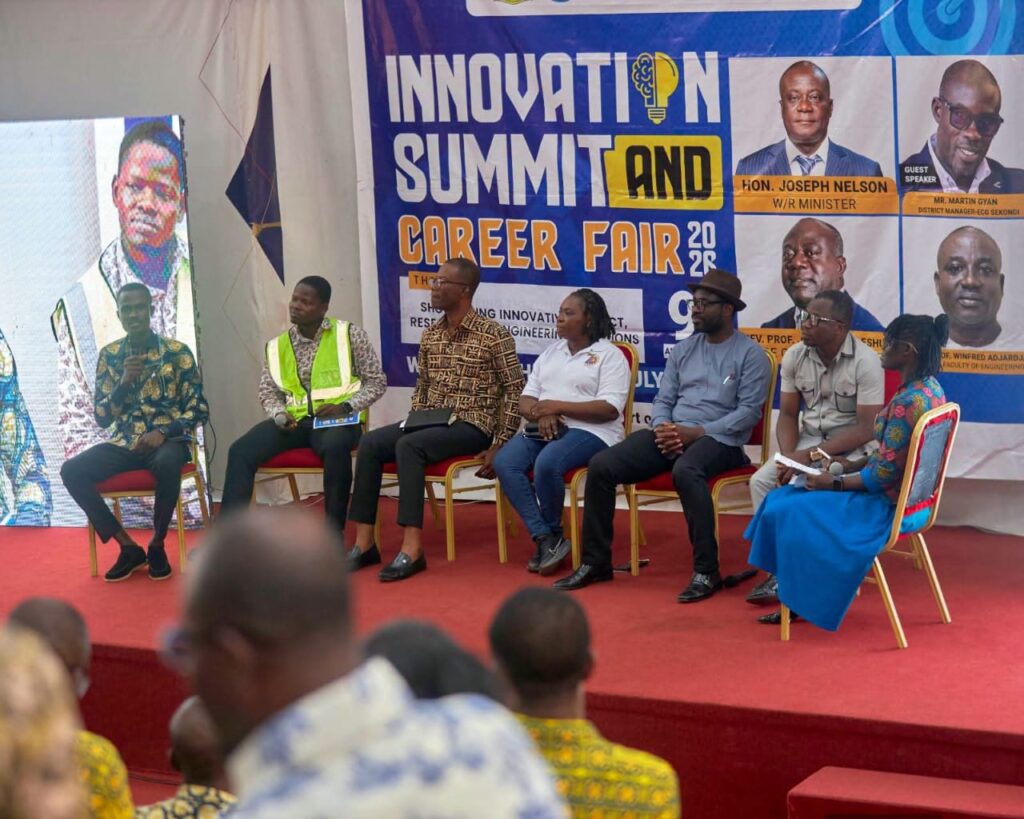
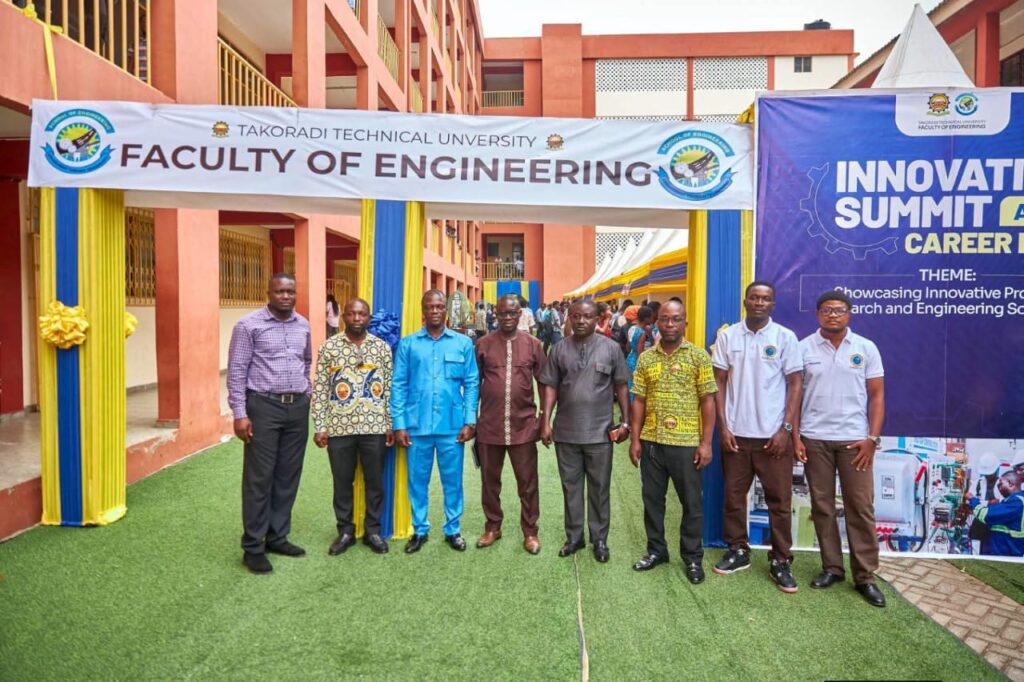
The call was made at the opening of the university’s Innovation Summit and Career Fair held under the theme: 'Showcasing Innovative Projects, Research and Engineering Solutions.'
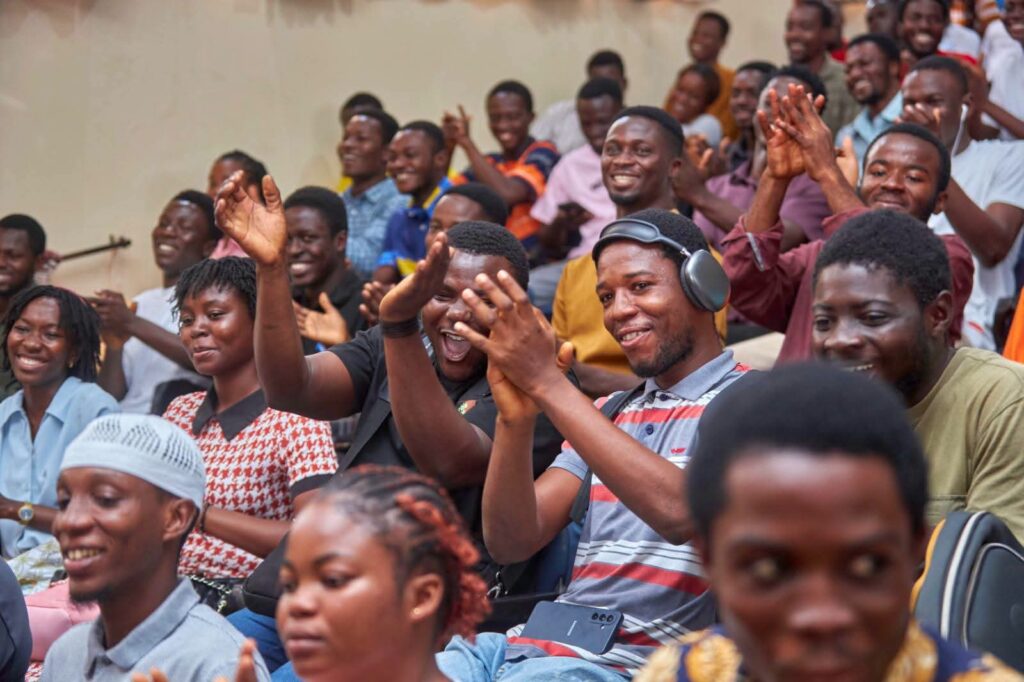
The two-day event brought together engineering students, industry professionals, researchers and stakeholders to explore emerging technologies, career opportunities and innovative solutions developed by students.
Speaking at the opening ceremony on behalf of the Vice-Chancellor, the Pro Vice-Chancellor of TTU, Prof. Ebenezer Boakye, said engineering education must go beyond classroom instruction and focus on solving real societal problems.
He said technical universities have a responsibility to produce graduates who are not only academically competent but also innovators, entrepreneurs, and problem-solvers capable of transforming communities through technology.
“Engineering education must extend beyond the classroom into the practical application of knowledge to solve real societal problems,” Prof. Boakye said.

He noted that Ghana continues to face challenges, including unreliable energy supply, flooding, sanitation and waste management issues, housing deficits, transportation inefficiencies, and the need for sustainable employment opportunities.
According to him, these challenges cannot be addressed through policy interventions alone but require research, innovation, and sustainable engineering solutions.
Prof. Boakye encouraged students to see their projects as potential businesses that could contribute to Ghana’s industrialisation and economic growth.
“These projects represent ideas that can become businesses, technologies that can improve industries, and innovations capable of contributing to national development,” he added.
The District Manager of the Electricity Company of Ghana (ECG), Sekondi, Ing. Martin Gyan, who delivered the keynote address, said the future of engineering lies in the ability to harness emerging technologies to address global and local challenges.
He mentioned technologies such as Artificial Intelligence, robotics, industrial automation, smart grids, the Internet of Things (IoT), digital twins, renewable energy systems, and additive manufacturing as areas reshaping industries and the world of work.
Ing. Gyan said engineers are expected to develop solutions that improve efficiency, reduce costs, enhance safety, increase productivity and promote sustainability.
He urged universities to align research with the practical needs of industry, stressing that innovation creates value when it solves real-world problems.
He also called for stronger partnerships between industry and academia through internships, industrial attachments, collaborative research, curriculum development and support for technical infrastructure.
According to him, employers are no longer seeking graduates based solely on academic certificates but individuals with critical thinking skills, digital competence, adaptability, communication skills, and the ability to solve problems.
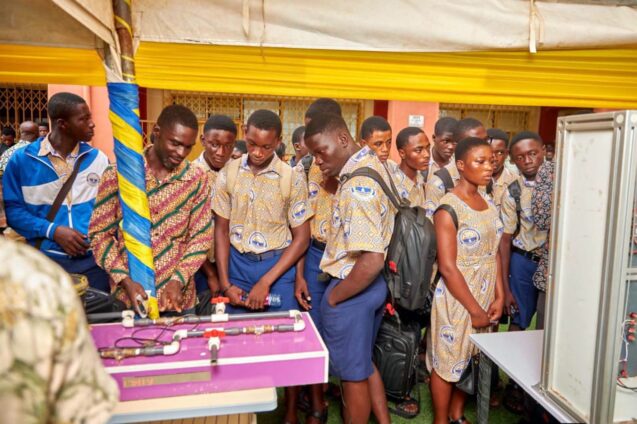
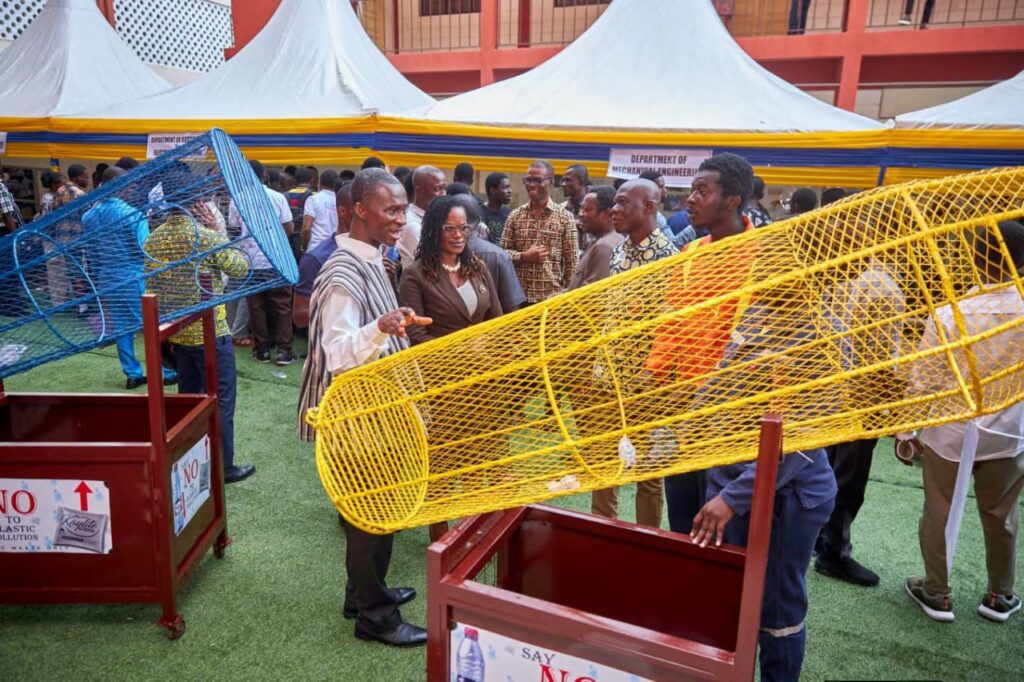
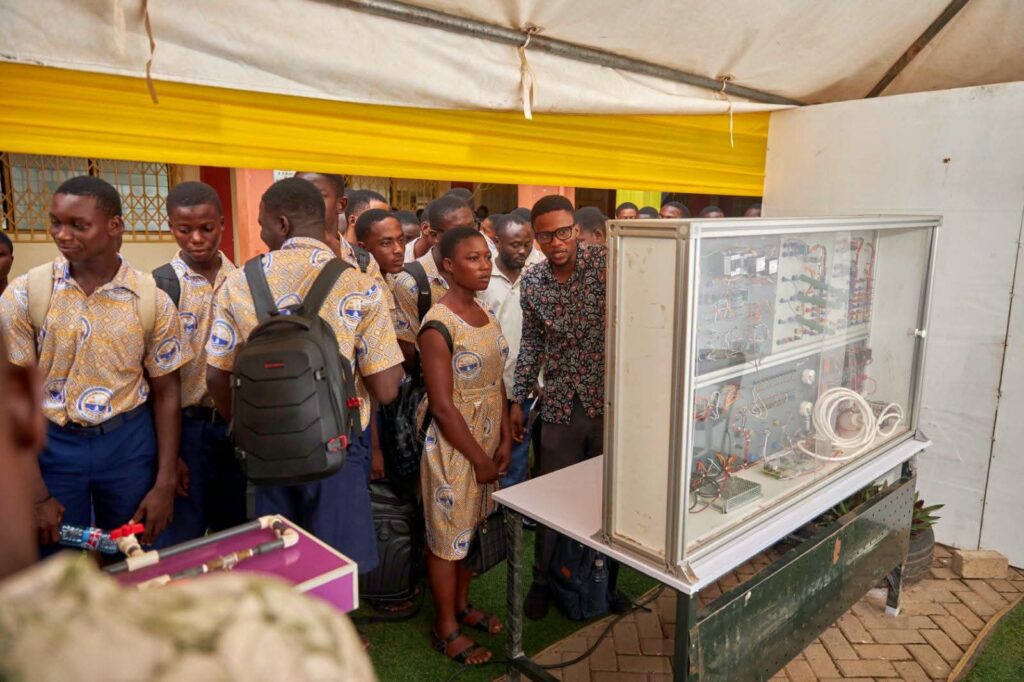
The summit also featured an exhibition of engineering projects developed by students from various departments.
Among the innovations showcased was a waste management solution designed to encourage proper waste segregation and reduce plastic pollution.
The student innovators explained that the project was inspired by the recent flooding situation, where plastic waste contributed significantly to environmental challenges.
They said the movable waste segregation system is designed to attract users and encourage responsible disposal practices to support cleaner communities and improved recycling efforts.
Another innovation displayed was a smart extension board designed to provide a solution during power outages.
Unlike conventional extension boards, the smart system includes a display unit, socket outlets, a breaker, an inverter, and a built-in battery that allows it to operate when there is a loss of electricity supply.
The Dean of the Faculty of Engineering, Prof. Winfred Adjardjah, said the Innovation Summit and Career Fair was created to bridge the gap between academia and industry by promoting knowledge sharing, networking, and collaboration.
He encouraged students to engage with industry experts and build professional relationships that could shape their future careers.
The event ended with panel discussions, an open forum, and an exhibition of practical engineering works from students across the Faculty of Engineering.
Latest Stories
-
World Cup visa scandal: People have leveraged public office to facilitate fraud – Senyo Hosi
2 minutes -
Glut! Farmers count losses as prices crash, customers happy
38 minutes -
GSA postpones auction of unserviceable vehicles
40 minutes -
Man charged with attempted murder after stabbing
44 minutes -
World Cup visa scandal: Senyo Hosi says issue goes beyond calls for Sports Minister’s resignation
45 minutes -
Yaw Ampofo Ankrah hasn’t taken or received any money to facilitate visas – Lawyer insists
1 hour -
World Cup visa scandal: Senyo Hosi urges focus on constitutional accountability
1 hour -
La Beach demolition: Senyo Hosi condemns lack of consultation
1 hour -
Russian glide bomb attack on Zaporizhzhia kills at least 15 people
1 hour -
Jinapor warns underperforming energy sector CEOs of consequences, says no protection for failure
2 hours -
Fire destroys head of tipper truck on Lower Volta Bridge
2 hours -
Palmer signs new Chelsea contract until 2034
2 hours -
World Cup visa scandal: Mahama will act on corruption allegations – Abass Nurudeen
2 hours -
Abass Nurudeen accuses Minority of ‘scandal scavenging’ over World Cup visa controversy
2 hours -
US Embassy recognised NSA, GFA and GTA as separate entities for visa applications – Sports Minister’s aide
2 hours