

Audio By Carbonatix
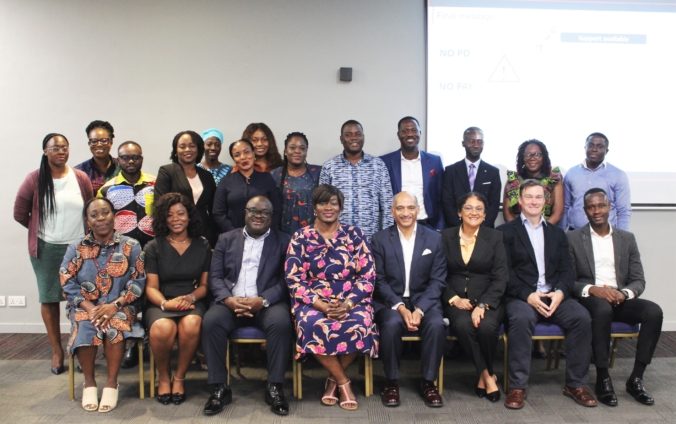
Tullow has partnered with the Upstream Petroleum Business Academy of the Petroleum Commission (PC), to deliver training to local suppliers in Ghana.
This is in keeping with its commitment to local content participation in the oil and gas sector,
The training, on the theme, “Closing the Gap Workshop on Reverse Auctions,” was led by Tullow’s Chief Procurement Officer, Atul Sahay and other stakeholders from the Petroleum Commission and Tullow Ghana.
In a comprehensive and engaging session, the 150 suppliers were taken through the full spectrum of Reverse Auctions, and its specific role in the tendering and contracting process for jobs and projects in the industry’s supply chain.
It also delved into deeper benefits of Reverse Auctions, highlighting some case studies to reinforce relevance.
In her remarks at the training session, Sarah Quayson Danquah, Director of Localisation at the Petroleum Commission, reinforced support for the growth and development of a strong local capacity in the sector.
She commended Tullow for its dedication to building a reputable and competitive local supplier base in the industry
Atul Sahay, Chief Procurement Officer at Tullow said, “Our commitment is to develop the capacity and competence of local suppliers in the oil and gas industry in Ghana.
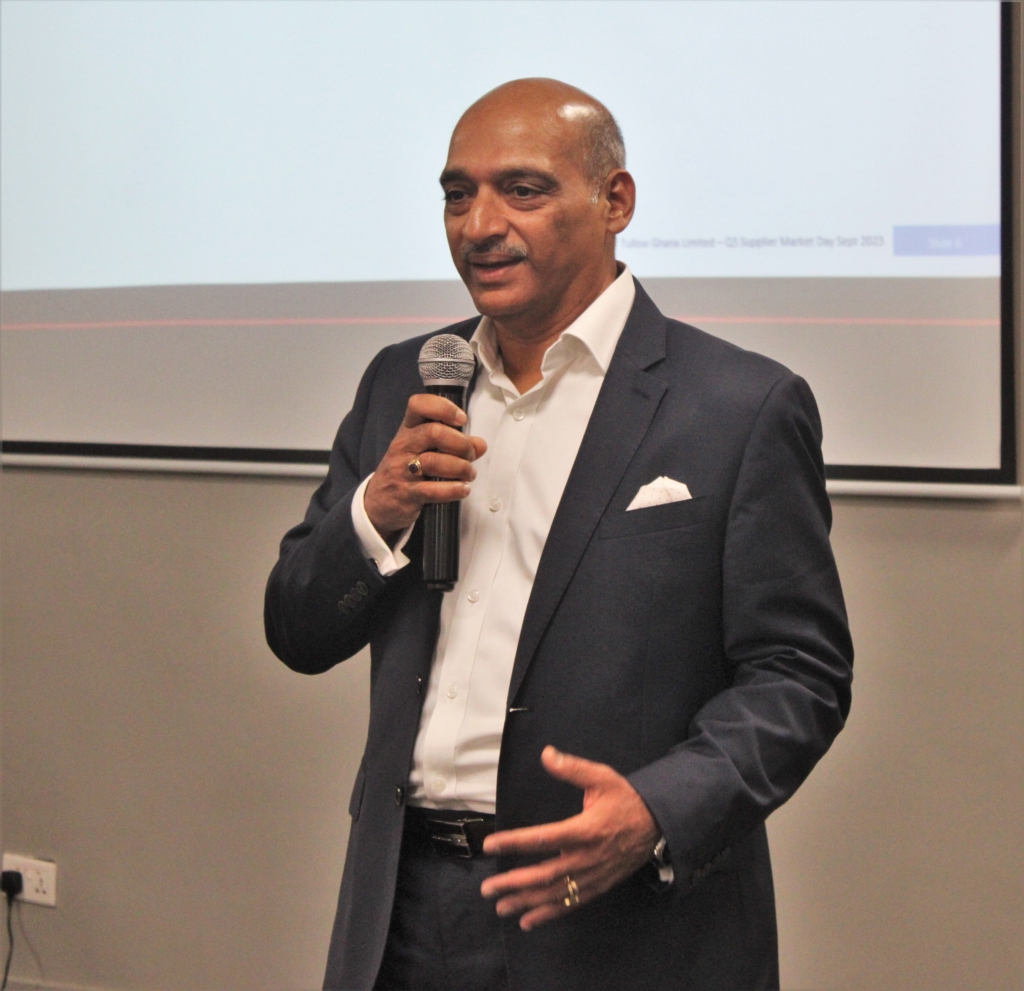
"We remain committed, as a company, to creating a sustainable and progressive marketplace for current and prospective suppliers who want to play a key role in the industry.”
Local content has always remained a cornerstone of Ghana's flourishing oil and gas sector.
Since the discovery of oil in commercial quantities in 2007, successive governments, civil society, and advocacy groups have all emphasised the importance of local participation.
Tullow, with its rich history in Ghana, has been instrumental in championing this cause for 15 years.
In a subsequent Market Day event held for suppliers, Tullow’s Deputy Managing Director for Ghana, Cynthia Lumor said, “We have always been at the forefront of promoting local participation because it is fundamental to the growth, development, and prosperity of the country.
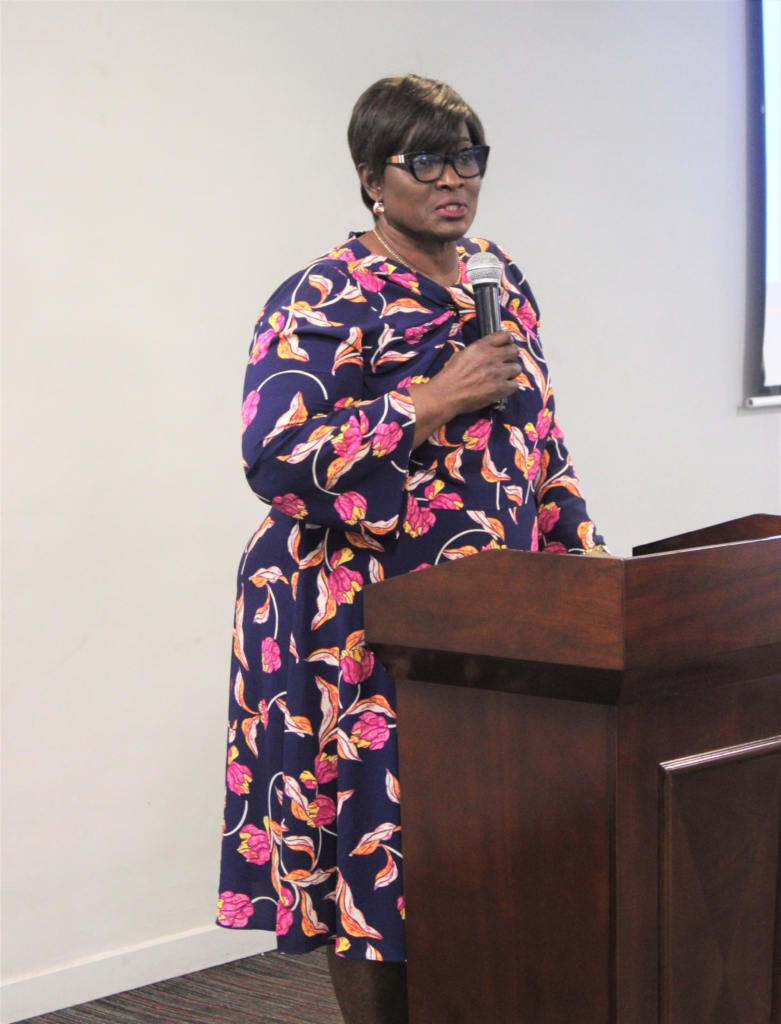
"We shall continue to find opportunities to collaborate and partner with our suppliers as we seek long-term sustainability of the sector.”
As of 2022, Tullow spent a total of $173 million with local suppliers ($169 million in Ghana alone), representing 15% of local procurement spend (14% for Ghana).
Altogether, the company’s total spend in this category is approximately $1.2 billion in the last five years.
Additionally, Tullow currently has over 72% of local nationals employed in Ghana with a commitment to reach a target of 90% in the next three to five years.
Latest Stories
-
Mahama Ayariga urges banks to take responsibility for beautifying public spaces
34 minutes -
Account for the old economy before selling us a new one
1 hour -
Abanga sets 4 million youth-vote target for Bawumia ahead of 2028 election
1 hour -
Gold edges lower with focus on Fed minutes, rate path clues
1 hour -
Oil prices rise as storms and air strikes threaten supply
2 hours -
Nigeria nears 2,000 repatriations from South Africa after latest evacuation flight
2 hours -
‘How can an office…close at 5pm?’ – Abanga questions 24-Hour Economy
2 hours -
‘4 million is possible’ – Abanga unveils NPP’s youth-vote battle plan
2 hours -
‘I never gave up’ – Abanga Fusani reflects on journey to NPP Youth Organiser victory
3 hours -
World Bank maintains Ghana’s growth rate forecast at 4.8% in 2026
3 hours -
Cedi was worst African currency in quarter 2, 2026 – World Bank
3 hours -
US death row inmate Christa Pike awake and speaking after failed execution, lawyers say
3 hours -
AI gains can lift three times as many people out of poverty in Ghana – World Bank
3 hours -
Scammers target ECG customers with fake meter sales and MoMo payment calls
5 hours -
Abanga Fusani credits hard work and consistency for NPP Youth Organiser victory
5 hours