

Audio By Carbonatix
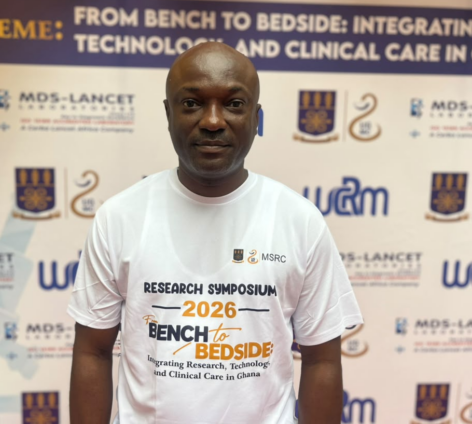
The Director of the Medical and Scientific Research Centre (MSRC) at the University of Ghana Medical Centre (UGMC), Prof Charles Hayfron-Benjamin, has called for a more deliberate system to translate scientific discoveries into practical healthcare solutions for patients.
He said Ghana had world-class scientists capable of producing high-quality research, but greater emphasis was needed on creating the systems, policies and partnerships required to move research findings from laboratories into clinical practice.
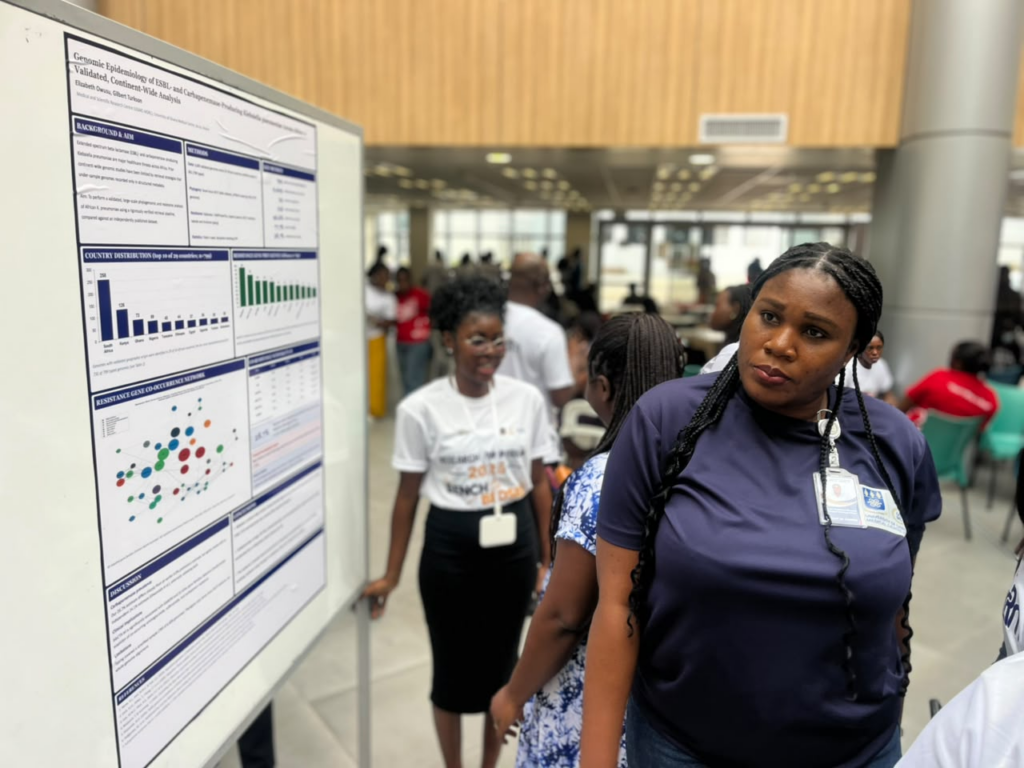
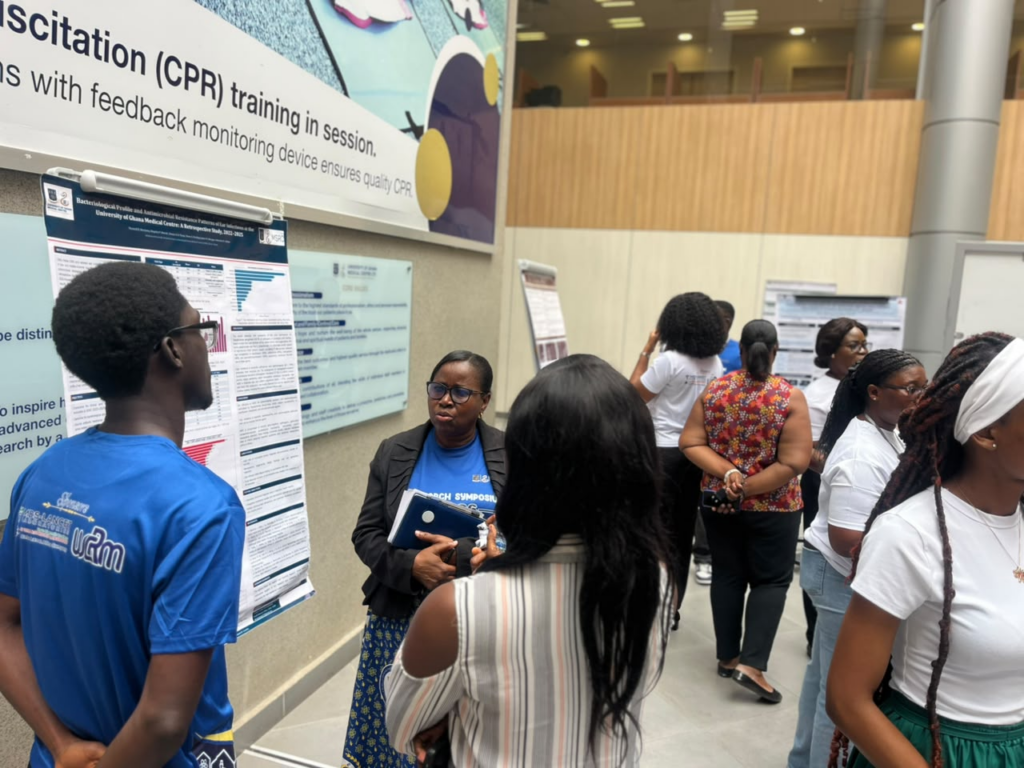
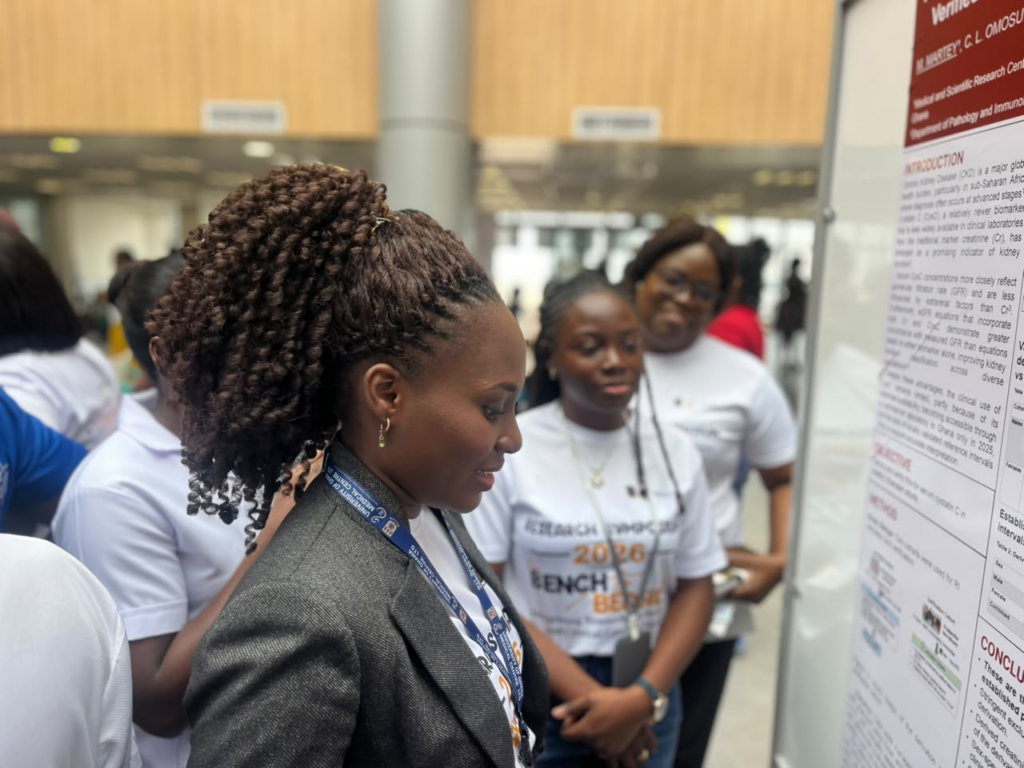
Prof Hayfron-Benjamin made the remarks on the sidelines of the UGMC Research Symposium, held under the theme “From Bench to Bedside: Integrating Research, Technology, and Clinical Care in Ghana.”
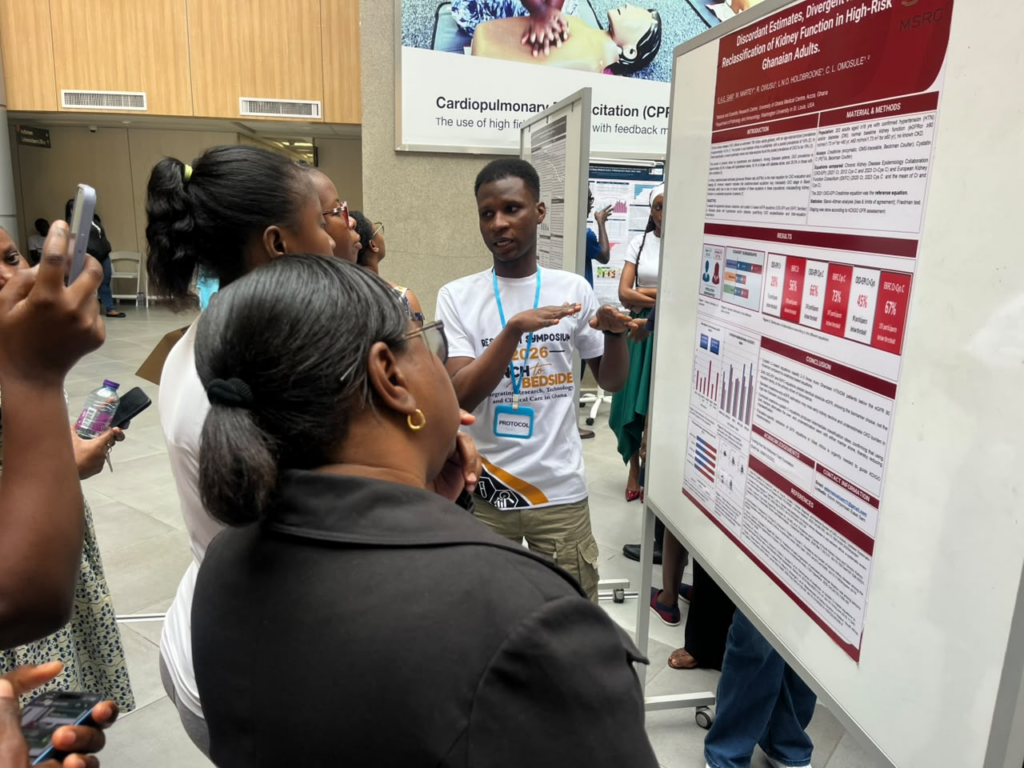
The two-day symposium, organised by the MSRC through the Research Training and Development Unit and the Office of External Engagement, is focused on strengthening the connection between scientific research and clinical care.
Prof Hayfron-Benjamin explained that UGMC operates as an academic medical centre, combining healthcare delivery with research to generate new evidence that can subsequently be applied to improve patient outcomes.
“Academic medical centres are hospitals but, in addition to taking care of sick people, they do research to generate new evidence, and the new evidence goes back to help take care of patients in a more scientific, evidence-based way,” he said.
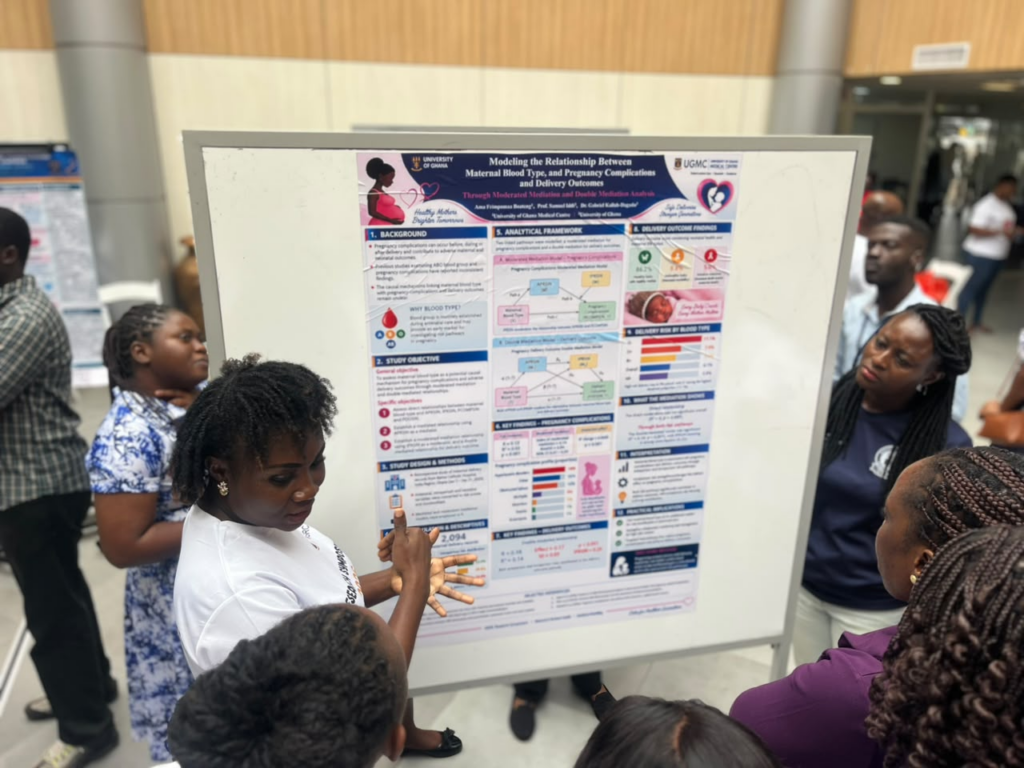
He said UGMC’s position within this model made research a key part of its mandate, with the annual symposium serving as one of the platforms for exploring how research could be translated into clinical applications.
Prof Hayfron-Benjamin said the “bench” in the symposium’s theme referred to the laboratory, while the “bedside” represented the clinical environment where patients receive care.
He said the objective was to develop the infrastructure and wider ecosystem necessary to ensure that discoveries made in laboratories could eventually be tested and applied in healthcare settings.
However, he cautioned that translating research into patient care was not an immediate process, as scientific findings had to pass through several stages of testing and validation.
“You don't just take information you get from the lab and start implementing it. It has to go through stages,” he said.
He explained that where researchers identified a potentially useful intervention, it would need to be subjected to rigorous testing, including randomised controlled trials, to establish whether the intervention was effective.
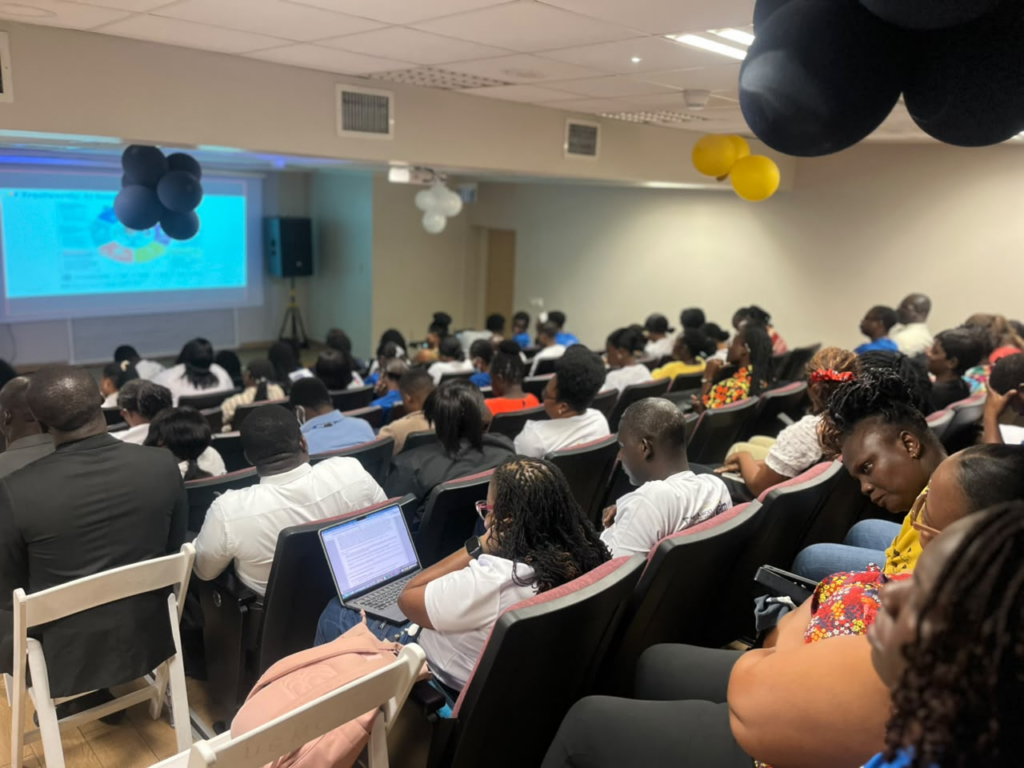
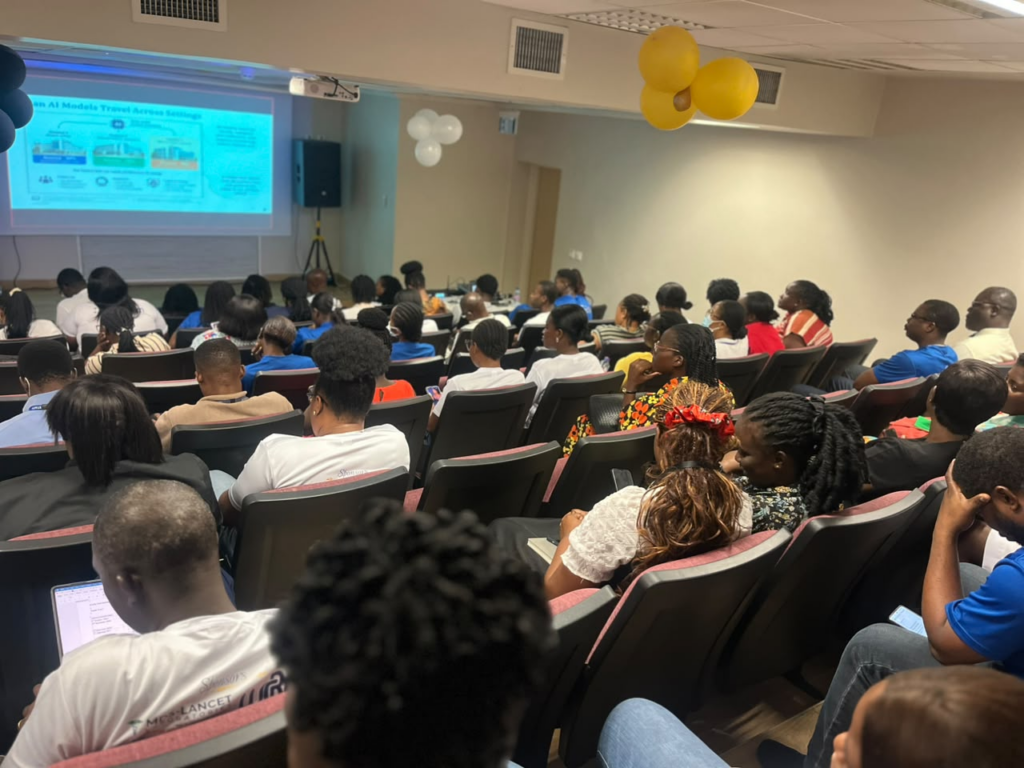
The symposium, he said, was therefore providing a platform for researchers to share work covering different aspects of the process of translating discoveries from the laboratory to clinical care.
Prof Hayfron-Benjamin disclosed that next year’s research symposium would build on this year’s discussions, with greater emphasis expected to be placed on clinical trials.
He explained that clinical trials allow researchers to test potential interventions by comparing groups receiving different forms of care and assessing whether the intervention produces the desired outcome.
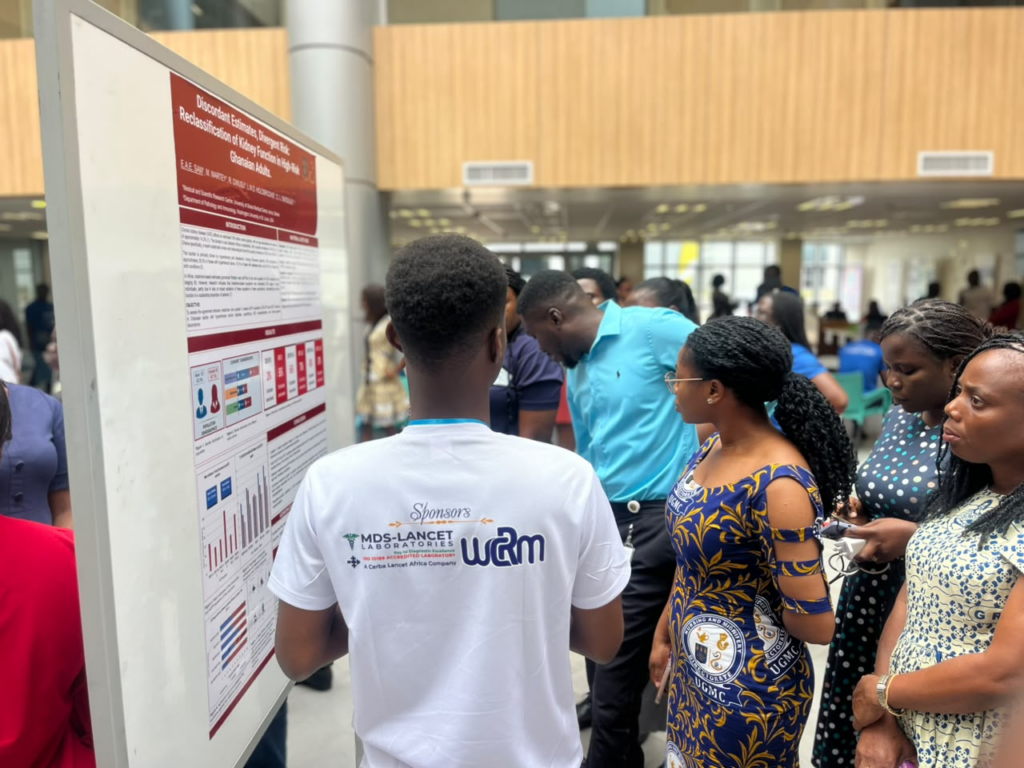
He said strengthening clinical-trial activity was particularly important because such research had not been conducted as frequently as necessary in Ghana and the wider region.
According to him, the limited frequency of clinical trials was among the factors making it difficult to translate laboratory discoveries into interventions that could be routinely used in patient care.
The planned focus on clinical trials, he said, would therefore help highlight their role in improving and scaling up patient care.
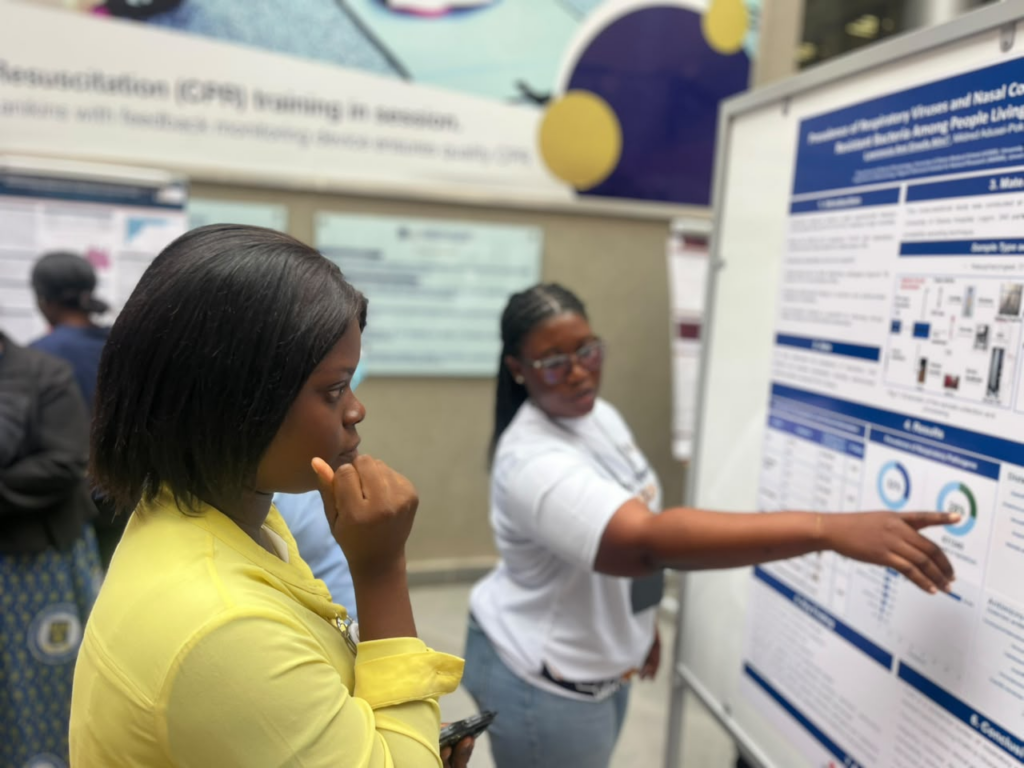
Prof Hayfron-Benjamin acknowledged government’s support for UGMC but said there was a need for stronger institutional and policy mechanisms to facilitate the movement of research findings into practical healthcare applications.
He said government support was important not only in providing funding but also in creating systems that would allow scientific discoveries to contribute more meaningfully to national development and public health.
“The money and the rest is important, but that way you can partner with industry and other stakeholders,” he said.
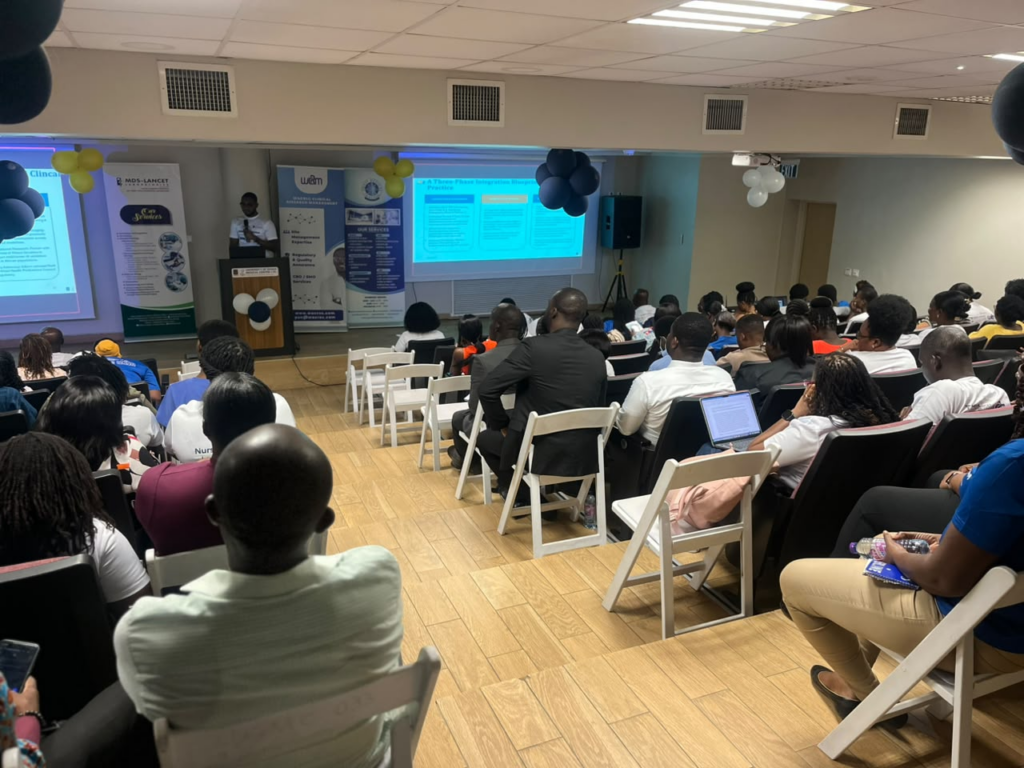
He said the centre was interested in seeing relevant government institutions play a stronger role in the policy aspects of translating research findings into solutions that could benefit the population.
He also identified partnerships with industry and other relevant stakeholders as an important part of efforts to turn research discoveries into practical interventions.
Prof Hayfron-Benjamin further urged Ghanaian scientists to be more intentional about the research questions they pursue and the potential impact of their findings.
While expressing confidence in the quality of scientific work being undertaken in Ghana, he said researchers must consider not only how sophisticated their studies were but also whether the results could address real problems facing the population.
“We believe we have incredible, world-class scientists in Ghana, but we also believe that scientists in Ghana should be a bit more intentional about the type of research questions we seek to answer,” he said.
He stressed that research should ultimately contribute to improving the lives of people, warning that complex laboratory studies would have limited practical value if their findings could not be translated into solutions for the population.
“At the end of the day, if we do very high-complexity studies in a lab and they have no relevance to the population, then we are not really helping the population,” he said.
He therefore called on the scientific community to develop deliberate plans for moving research findings beyond laboratories and ensuring that they become relevant to patients, healthcare delivery and the wider population.
“We should be intentional about the kind of research we do, and we also should have a deliberate plan to take the findings of the research and make them relevant to the population,” Prof Hayfron-Benjamin added.
Latest Stories
-
Cocaine probe: Speaker got it wrong by blocking parliamentary inquiry – Minority Leader
5 minutes -
FoSCel foundation calls for end to stigma and stereotyping against people living with sickle cell disease
17 minutes -
Auditor-General to track audit recommendations as GH¢280.5m in surcharges remains unpaid
17 minutes -
Walewale MP withdraws ‘rude’ comment on Bagbin’s Parliament recall, apologises
34 minutes -
FoSCel founder urges curriculum reform to strengthen sickle cell education in Ghana
41 minutes -
United States launches America.Gov for public services 5 years after Dr. Bawumia launched Ghana’s version Ghana.Gov
52 minutes -
Cocaine probe: Majority used super majority with Speaker’s support to weaken Parliament – Afenyo-Markin
56 minutes -
UGMC Research Director calls for deliberate pathway from research to patient care
1 hour -
IEAG calls on FDA to resolve delays in import code issuance
1 hour -
UGMC research must translate laboratory findings into healthcare solutions – Prof Evelyn Yayra Bonney
1 hour -
Court remands 3 over alleged gold concentrate robbery
1 hour -
Two bodies stuck at St. Anne’s mortuary after refrigeration engines break down
2 hours -
‘We will not let this matter rest’ – Afenyo-Markin after Bagbin rejects narcotics probe
2 hours -
AFCON 2027Q: Ghana suffer 4-2 defeat to Gambia
2 hours -
Your strike could disrupt academic calendar – GES urges teachers to return
2 hours