

Audio By Carbonatix
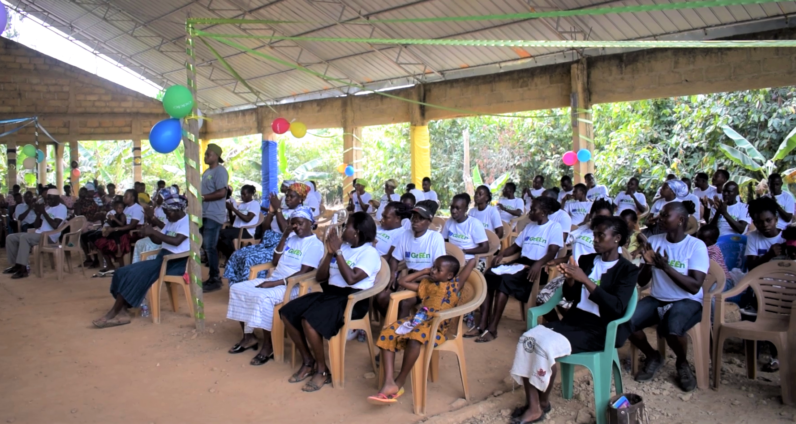
Seventy-five (75) residents of Abenneso in the Western Region, have benefitted from the SOS-GrEEn cash for work initiative.
The initiative empowers the youth with technical skills in addition to a daily minimum wage of 12 cedis to help create their green businesses.
It is a 4-year project expected to contribute to the development of a green and climate-resilient economy.
SOS-Green Ghana will provide employability for beneficiaries to create a green economy for over 4,000 youths in ten MMDA's of the Western and Ashanti Regions.
The intervention by the organization in the municipality forms the basis of the development of a GrEEn Training manual.
The beneficiaries were trained on identifying green opportunities in their communities and how to be entrepreneurs in the green sector.
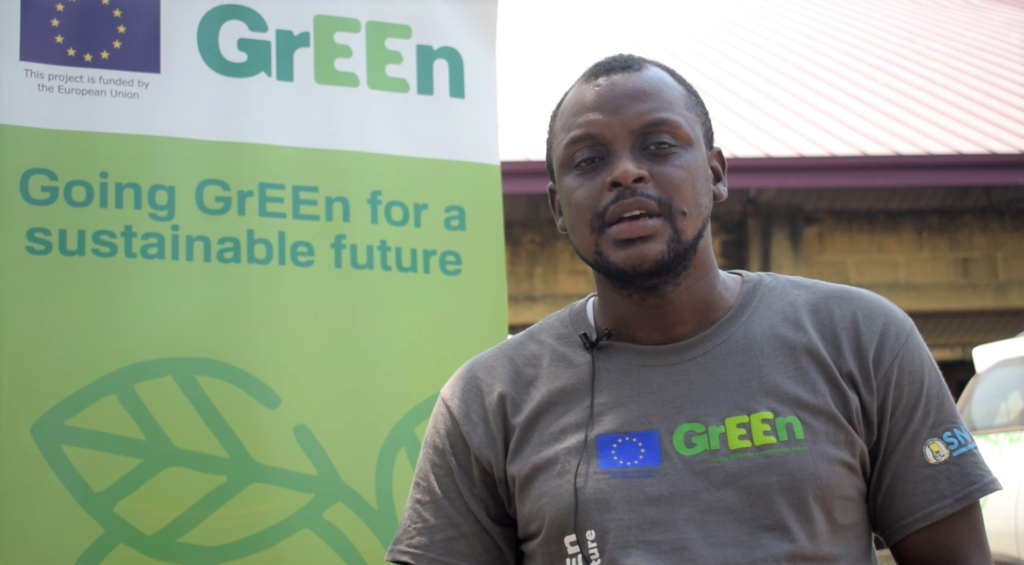
“Our main aim is to empower 4,000 cash for work beneficiaries such that they are able to secure green employment or start a green business. A daily minimum wage of 12 cedis is given to cash for work beneficiaries,” Project coordinator SOS- GrEEn Ghana, Shaibu Fuseini said.
He said, “over 75 beneficiaries have graduated from the project and we want beneficiaries to start a business in their local green economy, so we took them through some training, soft skills, employable and entrepreneurial skills”.
According to the project coordinator, the selection of the district is spearheaded by the Ministry of Local Government and Rural Development.
“…when the Ministry selects these districts, we look through the medium-term development plan of these MMDA’s and find a climate infrastructure that can be funded”, he said.
Partners of the SOS- GrEEn project, United Nations Capital Development Fund (UNCDF) educated beneficiaries on financial literacy during the training.
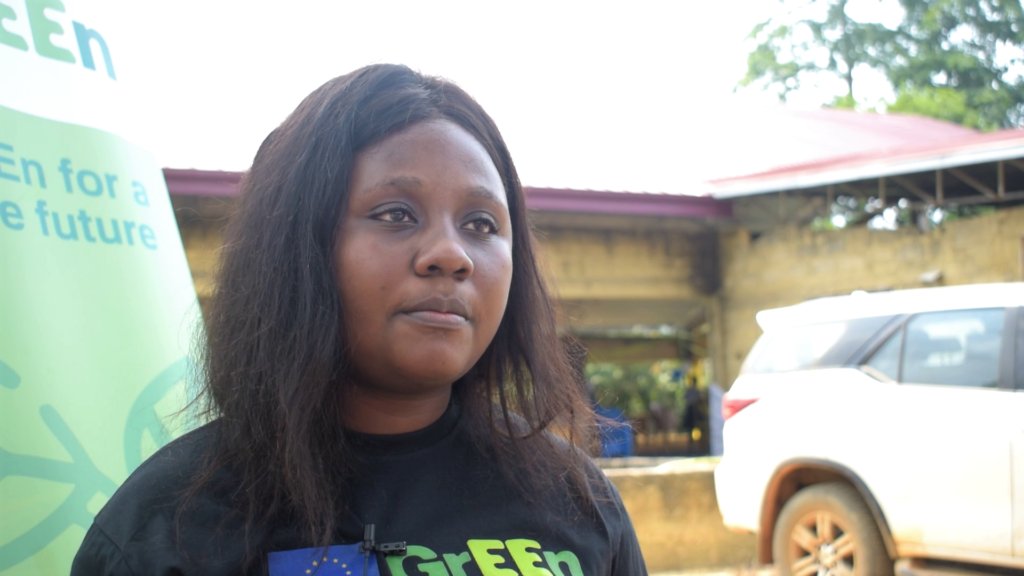
Berenge S. Jantuah, Community Development Officer UNCDF, noted, “the training will help participants escape poverty by building savings, growing assets and creating wealth”.
Beneficiaries who graduated from the SOS-GrEEn cash for work project, shared their experience after the 3 months training.
Tracy Donkor, a beneficiary farmer revealed that through the project, she has been able to buy a fridge with which she will start a 'sobolo' business.
Another beneficiary noted, “my money is now safe because United Nations Capital Development Fund (UNCDF) has opened an account for me”.
The project was funded by the European Union in partnership with the United Nations Capital Development Fund (UNCDF).
Latest Stories
-
The 7-foot giant of Ngleshie Amanfro: Seven-foot Ghanaian Ephraim Saawa dreams of joining the national basketball team
32 minutes -
Government promises support for Kumasi Central Market fire victims
38 minutes -
Vibes The Movie: Big Ghun’s Ghanaian film earns five nominations at 2026 REFFA
1 hour -
MamaCare CEO warns unresolved conflicts among health workers could undermine maternal and neonatal care
2 hours -
Health professionals urged to translate medical knowledge into practice to save mothers
2 hours -
Conflicts among care providers linked to maternal, neonatal deaths – Expert
3 hours -
GIS marks 10th TIME conference, champions improved teaching practices
3 hours -
BRICS Or Balance? What Ghana’s bid really means
4 hours -
GPRTU wants full TRAFFITECH-GH implementation to start in 2027
4 hours -
Mahama announces plans to import electric wheelchairs for PWDs
4 hours -
KGL U17 Colts 2026: Western beat Prempeh Elite Academy to set up final final with Greater Accra Region
4 hours -
Late Solanke strike salvages 10-man Spurs draw at Man United
5 hours -
Gender Ministry to monitor welfare of Nana Akua Addo’s children amid domestic violence case
5 hours -
Benedict Okyere Yeboah: Ghana’s football problem goes beyond sacking a coach
5 hours -
GPL 2026/27: Darkwah Wiafe’s winner sees All Blacks beat Kotoko
5 hours