

Audio By Carbonatix
The Women Situation Room Project Consortium and the Women, Youth, Peace, and Security (WYPS) Department of the Kofi Annan International Peacekeeping Training Centre (KAIPTC) have launched an initiative urging women and youth to play an active role in safeguarding peace throughout the December 7 general elections.
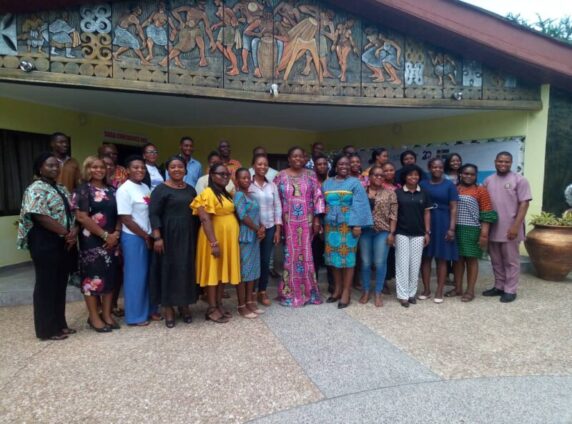
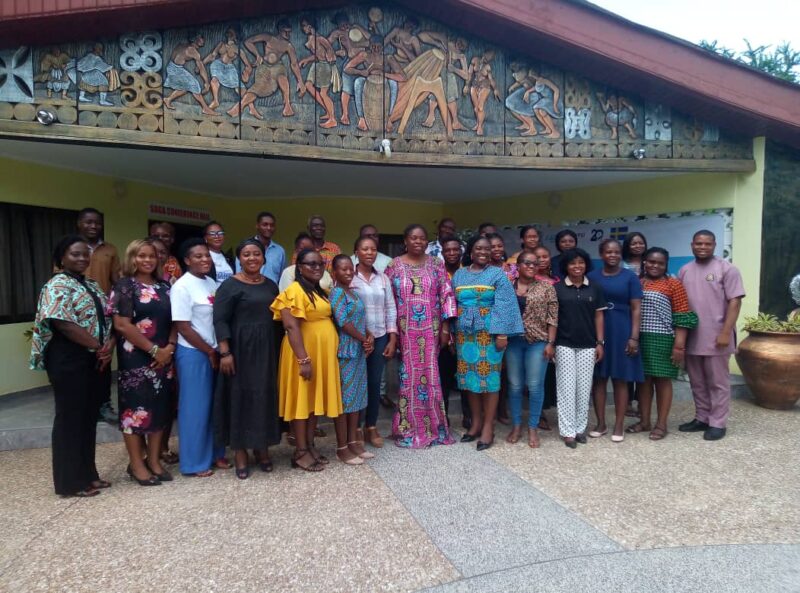
Recognising the vital contributions of these groups, the two organisations are convening a series of training workshops designed to empower young people and women to become vigilant, knowledgeable, and non-partisan election observers.
The Women Situation Room Project, a collaborative effort by Ghanaian women-led organisations, is spearheading these workshops, which are being held in the Volta Region and later in Tamale, the Ashanti Region, and Greater Accra in the coming days.
The training is in partnership with the Women Situation Room Consortium which includes FOSDA, WILDAF, AWLN GHANA, ABANTU, UNWOMEN, GENCED, and others.
The project emphasises the need for inclusive participation in Ghana's political processes and advocates for gender-sensitive election monitoring. By encouraging young people and women to take an active stance as peacebuilders, the workshops aim to foster a secure and transparent electoral environment.
Principal Program Officer for Women, Youth, Peace, and Security at KAIPTC, Agnes Agbevadi, outlined the importance of women’s participation in an interview with the media, explaining, “Our core responsibility is to ensure women’s inclusion in the political space.
"Women have always played a critical role in elections and political processes, yet they remain underrepresented and marginalized. This initiative seeks to reverse that trend by calling for more women to take part as voters, candidates, and observers, thus bringing a valuable gender perspective to the electoral process.”
The workshop agenda is comprehensive, covering best practices in election observation and strategies for promoting peace, unity, and tolerance.
Participants are being trained to observe, report, and mediate any potential disputes in compliance with the rules established by Ghana’s electoral authorities. Through this effort, the program aims to equip observers with the skills needed to ensure that the electoral process remains fair, inclusive, and free from violence.
Mrs Agbevadi emphasised that women and youth have an intrinsic right and responsibility to participate in the democratic process.
She noted that their engagement as observers not only strengthens Ghana’s democracy but also aligns with ECOWAS's election strategic framework, which mandates the participation of women as voters, candidates, and election monitors. By actively participating, these groups can help safeguard the democratic rights of all citizens, including individuals with disabilities, who are often overlooked in political spaces.
The collaboration behind the Women Situation Room Project—including KAIPTC, the Foundation for Security and Development in Africa (FOSDA), and the Swedish International Development Cooperation Agency (SIDA)—highlights the commitment of both local and international partners to a peaceful democratic transition. By empowering women and youth, the project reinforces the principles of gender equality, transparency, and peace that are essential to a democratic society.
This initiative resonates especially in a political climate where many citizens are concerned about potential unrest and divisiveness during the elections.
Mrs Agbevadi reassured Ghanaians that the program's goal is to build resilience among participants, fostering a community dedicated to tolerance and dialogue.
She urged, “We call for peace, tolerance, and unity and do not condone any form of violence against anyone. Everyone—especially women, youth, and persons with disabilities—has a right to participate fully and peacefully in our electoral process.”
The Women Situation Room Project Consortium and the WYPS department are hopeful that this initiative will be a transformative step toward peaceful, transparent elections. By creating a platform for women and youth to serve as electoral observers, the project aims to not only enhance democratic accountability but also to encourage future generations to value and uphold peace in the political arena.
This effort underscores that a thriving democracy is built on the inclusion, participation, and empowerment of all its citizens.
With a strong commitment to peace and equality, the Women Situation Room Project is not merely about observing elections—it is about nurturing a culture of respect, inclusion, and unity across Ghana’s diverse regions. As the nation moves toward the 2024 elections, the consortium’s message is clear: Ghana’s future belongs to all its citizens, and maintaining peace is a shared responsibility.
Latest Stories
-
A source of excellence across generations – Vice President Opoku-Agyemang lauds Mfantsipim
13 minutes -
(Photos) Mfantsipim School launches historic 150th anniversary
36 minutes -
Knights and Ladies of Marshall group backs Catholic Bishops’ stance on anti-LGBTQ+
2 hours -
Bright Simons writes: All the Filla in the Ibrahim Mahama/E&P – Gold Fields Saga
2 hours -
Monetise Idiocy In Ghana
2 hours -
The Ghanaian prophet and the mysterious death of his scottish wife Charmain Speirs
3 hours -
Nearly 400 sentenced in Nigeria for links to militant Islamists
3 hours -
Ghana’s recovery supported by gold strength despite global oil price pressures – Standard Bank Research
3 hours -
Methodist Church hails Mfantsipim@150; calls for “fresh consecration” to excellence
4 hours -
‘Excellence is our inheritance’ – Nana Sam Brew-Butler hails Mfantsipim’s 150-year reign in leadership
4 hours -
Kwaku Azar writes: A-G vs OSP
4 hours -
Mfantsipim–Adisadel rivalry built excellence, not division – Sam Jonah
4 hours -
Vice President launches Mfantsipim’s 150 years of shaping Ghana’s greatest mind
5 hours -
I assure Otumfuo, Mahama will join him to commission KNUST Teaching Hospital by end of this year – Haruna Iddrisu
5 hours -
Barcelona dominate derby to extend La Liga lead
5 hours