

Audio By Carbonatix
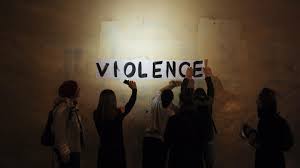
Mrs Esther Annor, the Deputy Director of Administrative Justice, Commission for Human Rights and Administrative Justice (CHRAJ), has encouraged women and girls to report any form of violence against them.
She said violence against women and girls, which was becoming prevalent in almost every home in the country, was a violation of human rights and must not be condoned.
Mrs Annor was speaking at a media training on issues relating to violence against women and girls in Ghana.
The workshop was organised by Inrela Ghana, an association of religious leaders living with HIV and AIDS, with funding from the United Nations (UN) WomenTrustFund.
It exposed journalists to the ethical ways to report on women’s rights and stories of survivors of violence.
Mrs Annor said every human being, irrespective of sex, was entitled to human rights and charged women and girls to always fight for their rights.
She stressed the need for society to support those facing some sort of abuse to ensure their protection and wellbeing, saying such abuses came in different forms.
"In Ghana violence against women and girls takes different forms in many aspects embedded in social, cultural and economic cultures, from the work place to homes,” Mrs Annor said, and called for concerted efforts to halt them.
Mrs Mercy Acquah-Hayford, the Country Coordinator for Inrela Ghana, said the workshop was part of a three-year project, which started in 2010, to create awareness on the need to end and reduce stigma against abused persons.
The project, she said, was being implemented in three communities in Accra - Chorkor, James Town, and Nima, Acquah-Hayford said the project would engage men in the selected communities and enlighten them on the need to protect women and girls and desist abusing them.
The World Health Organisation (WHO) said violence against women, particularly intimate partner violence and sexual violence, is a major public health problem and a violation of women's human rights.
Estimates published by WHO indicate that globally, about one in three (30 per cent) of women have been subjected to either physical and/or sexual intimate partner violence or non-partner sexual violence in their lifetime.
Latest Stories
-
GPL 2026/27: Medeama go three clear as Hearts of Oak recover and Bechem stage stunning comeback
5 minutes -
Ntiamoah Foundation launches “BEYOND 20” anniversary campaign
25 minutes -
Credit Risk Management Directive: BoG to begin implementation for banks, others from July 1, 2027
42 minutes -
Ghana Brands Awards 2026: Leading brands, business trailblazers to shine on November 20
58 minutes -
T-bills auction: Demand improves as government exceeds target by about 76%; interest rates soften
1 hour -
Ziope undertakes initiative to build a technologically inclined community, commissions self-help ICT lab
1 hour -
ECG announces power outage in parts of Tema, Central Region due to network fault, maintenance
2 hours -
When the Gospel Becomes a Weapon: The church, blackmail and the abuse of faith
2 hours -
JoyNews’ Jacqueline Ansomah Yeboah selected for UK Media Excellence for Emerging Technologies Fellowship
3 hours -
Mental Health Alliance urges government to operationalise Mental Health Fund
3 hours -
Ghana–Holy See agreement heads to Parliament after Cabinet approval
3 hours -
Luv FM Corporate Games 2026: Kumasi Central Prisons, Amanfiman Bank win big amid fun
3 hours -
WAFU B U17: Ghana top Group A after win over Togo
4 hours -
Ho Central Mosque reopens amid unresolved leadership dispute that led to closure
5 hours -
Minority caucus questions GH¢16.4m in Ablakwa’s SA evacuation spending, demands independent audit
5 hours