

Audio By Carbonatix
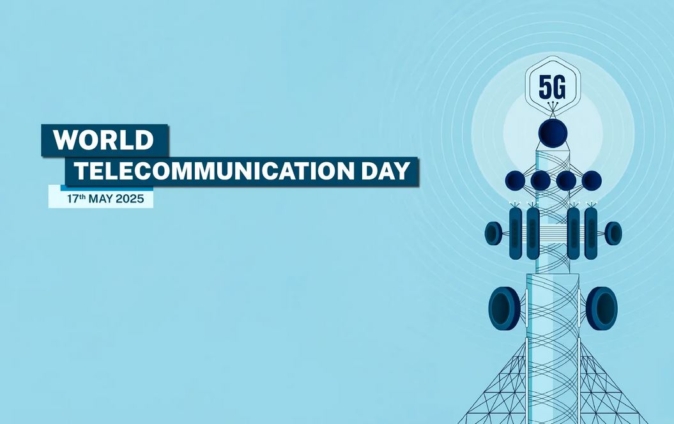
As Ghana marks World Telecommunication and Information Society Day (WTISD) this week under the theme "Gender Equality in Digital Transformation", the Aya Institute for Women, Politics and
Media has commended the country's telecom strides but called for more targeted, gender-responsive policies to bridge the digital divide and protect women in online spaces.
The Institute, in a statement to commemorate WTISD, acknowledged Ghana’s advancements in telecommunications infrastructure and private sector engagement, describing the sector as “one of the most progressive and competitive on the continent.”
However, the group stressed that access alone is not enough. “While Ghana has made impressive gains, true transformation will only come with affordability, expanded access, and skills training—especially for women and girls,” the statement said.
Citing the 2024 International Telecommunication Union (ITU) report, the Aya Institute highlighted the growing digital gender divide in least developed countries (LDCs) like Ghana. According to the report, only 29 per cent of women in LDCs use the internet, compared to 41 per cent of men. In low-income countries, just 21 per cent of women are connected, versus 93 per cent in high-income countries.
“These gaps are not just numbers. They represent lost opportunities for education, empowerment, and economic progress for women and girls,” the Institute warned.
The Institute is advocating for two major interventions:
- Affordable, accessible internet usage, especially in underserved communities.
- Digital literacy training for women and girls to empower them economically and socially.
“Digital skills are the next untapped resource for eradicating gender-based poverty,” the statement noted. “Without them, women will continue to be left behind in this new global economy.”
The Institute praised programmes like the government’s ‘Girls in ICT’ initiative, but urged policymakers to go further. “We need policies that are not only gender-sensitive but gender-transformative,” it said.
The statement also called on the Ministry of Communications and Digitalisation and institutions such as the National Cybersecurity Authority to ensure online safety, particularly for women and girls. It highlighted the rise in cyberbullying and digital harassment, noting that “a large percentage of women have reported being exposed to online violence.”
“A safe telecommunications space must be a national priority. Cyber abuse, including the non-consensual sharing of images and videos—especially of minors—must be dealt with swiftly,” it said.
The Aya Institute urged all stakeholders to adopt proactive, inclusive digital policies that protect and uplift women.
“Our digital future must work for all, not just the privileged few. If we fail to close the gender gap now, we risk leaving half the population behind,” the statement concluded.
Latest Stories
-
Ghana Jazz Orchestra cooks tasty fare at launch
23 seconds -
Jerry Aye: The life & times of Robert Mugabe
10 minutes -
Asiedu Nketiah says better government begins before Election Day
19 minutes -
Colleges of Education call for National AI Policy and digital resources for teachers
19 minutes -
AngloGold Ashanti empowers 22 Sanso women through apprenticeship to entrepreneurship programme
29 minutes -
Gov’t advances National Data Exchange Hub under US$50m digital project – Sam George
36 minutes -
Alex Asmah Foundation launched in Kumasi to support youth development across Ghana
36 minutes -
School placement is absolutely free – Education Ministry
37 minutes -
Burkina Faso FA Prez Oumarou Sawadogo takes over as WAFU B President
39 minutes -
CSSPS self-placement portal opens for candidates unable to secure choices
43 minutes -
James Korsah-Brown calls for Tourism Minister to be changed
45 minutes -
Death in the dark: Family demands answers after dialysis patient dies at TTH during power outage
52 minutes -
11 Ghanaian Universities to embed One Million Coders certifications in degree programmes
53 minutes -
Government to pilot Electronic Document Wallet in fourth quarter – Sam George
56 minutes -
Kenya minister warns foreigners against ‘misusing’ visas to trade
59 minutes