

Audio By Carbonatix
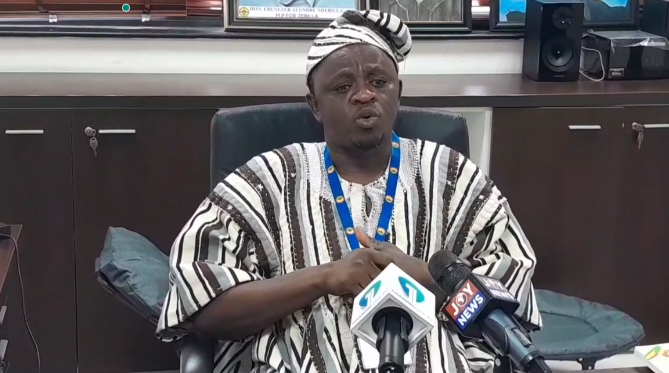
Member of Parliament for Zebilla, Ebenezer Alumire Ndebilla, has issued a passionate plea for urgent national action to combat the worsening threat of food insecurity in Northern Ghana, citing desertification and climate-induced challenges as major drivers of the crisis.
Speaking on the floor of Parliament to mark the World Day to Combat Desertification and Drought on June 17, Mr Ndebilla highlighted this year’s theme, “Restore the Land, Unlock the Opportunities,” stressing its critical relevance to Ghana’s vulnerable northern regions.
“This is of particular relevance to Ghana, and more specifically Northern Ghana, where desertification, erratic rainfall, and prolonged droughts are not just environmental challenges, but daily realities threatening the livelihoods, food security, and very survival of our people,” he told the House.
Mr Ndebilla identified the northern savannah ecological zone — comprising the Upper East, Upper West, North East, Northern, and Savannah Regions — as the most affected area, including his own constituency of Zebilla.
“Communities in these regions are experiencing rising temperatures, declining soil fertility, shrinking water bodies, and devastating bushfires, all worsened by climate change and unsustainable land use practices,” he warned.
He added, “The consequences are real: low crop yields, food insecurity, increased migration, and worsening poverty.”
The MP praised the Trees for Life afforestation initiative launched under President John Dramani Mahama, describing it as a strategic response to the dual threats of desertification and drought.
“This bold afforestation programme was not just a symbolic gesture, but a strategic national response to combat the twin threats of desertification and drought, especially in our vulnerable northern regions,” he said.
He explained that millions of economic and indigenous tree seedlings were planted nationwide, with priority given to degraded areas in the north.
“Communities, schools, faith-based groups, and local assemblies were mobilised to reclaim lost forest cover, promote climate resilience, and restore soil productivity. It was a grassroots movement with national significance,” he noted.
Economic trees such as shea, dawadawa, mango, and cashew were planted to integrate environmental restoration with income generation. The initiative also created thousands of jobs for youth through the Youth Employment Agency and Forestry Commission.
Despite these gains, Mr Ndebilla expressed concern over ongoing threats. “Deforestation and land degradation continue to threaten Northern Ghana,” he cautioned. “The annual loss of tree cover due to illegal logging, charcoal production, bushfires, and poor farming practices remains a grave threat that can reverse gains made by the Trees for Life programme.”
He further pointed out the unpredictability of rainfall patterns, which have disrupted traditional farming calendars, aggravating food insecurity in the region.
To address these urgent issues, Mr Ndebilla made the following appeals to Parliament and the government:
- Reinvigorate and upscale the Trees for Life initiative, making it a permanent fixture in Ghana’s climate adaptation strategy.
- Provide sustainable funding for tree planting, watering, and protection, especially in water-scarce northern communities.
- Intensify public education on the dangers of desertification and the importance of indigenous trees.
- Promote agroforestry and sustainable farming as tools to combat land degradation.
- Strengthen collaboration with traditional leaders and local authorities to enforce bylaws against indiscriminate tree felling and bushfires.
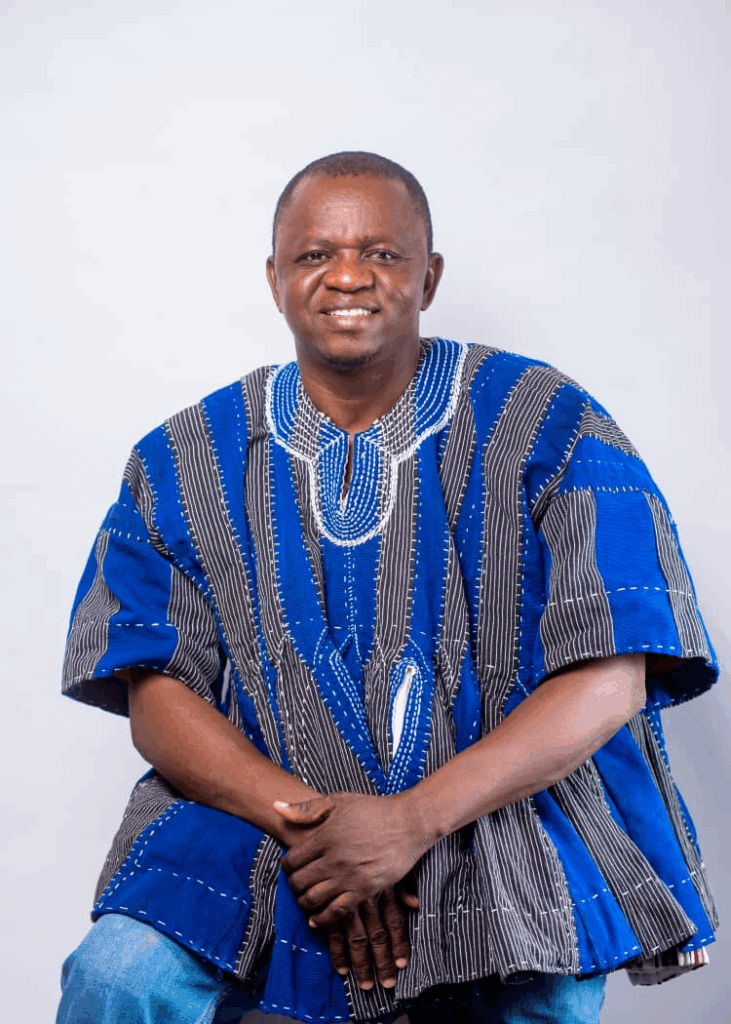
Reflecting on the broader implications of the crisis, Mr Ndebilla said, “The battle against desertification and drought is not one of science alone; it is one of survival and intergenerational justice.”
He concluded with a solemn reminder: “We owe it to the farmers of Zebilla, the schoolchildren in Chereponi, the women shea collectors in Tumu, and the future generations of Ghana to protect the land they depend on. Let us act boldly and urgently, for indeed, when the last tree dies, the last man dies.”
Latest Stories
-
IMANI Africa President urges greater awareness and support for Parkinson’s Disease patients
5 minutes -
T-bills: Government records undersubscription of 29%; interest rates continue to surge
6 minutes -
Perceptions of Judicial partisanship ‘unfortunate’ – Justice Adjei-Frimpong urges greater public engagement to build trust
10 minutes -
Ghana to honour Christina Hammock Koch for historic Artemis II mission
1 hour -
Supreme Court appointments require more than 15 years’ experience – Justice Adjei-Frimpong
1 hour -
Fire destroys 3-bedroom house at Bogyawe
2 hours -
Why the Supreme Court is a “policy court” – Justice Richard Adjei-Frimpong breaks it down
2 hours -
Playback: The Law discussed Supreme Court @150
3 hours -
MTN Momo staff walk to promote wellness and fitness
3 hours -
Assafuah: Sedina Attionu’s return from Nevada will test government’s commitment to accountability
3 hours -
How GRA’s Modified Taxation Scheme is boosting revenue compliance & SMEs competitiveness
4 hours -
Stonebwoy Can Do It: A call to unite behind 2026 BHIM Fest
4 hours -
World Shea Expo returns to Tamale for 2026 edition
4 hours -
Prioritise cocoa sector with better prices, timely payments-Annoh-Dompreh urges NDC
5 hours -
Lands and Mines Watch Ghana endorses Heath Goldfields’ mining capacity
5 hours