


Audio By Carbonatix
With their countries facing an Ebola epidemic of "unprecedented" proportions, the health ministers of 11 African nations have agreed to a joint strategy to try to stem its deadly advance.
As part of the plan, the World Health Organization will set up a "sub-regional control center" in Guinea -- one of the three West African nations at the heart of the outbreak -- to help coordinate the response.
The strategy was announced late Thursday at the end of a two-day summit in Ghana that brought together ministers from the Democratic Republic of the Congo, Gambia, Ghana, Guinea, Guinea-Bissau, Ivory Coast, Liberia, Mali, Senegal, Sierra Leone and Uganda with health experts, Ebola survivors and WHO representatives.
It also calls for better surveillance and reporting of cases, the mobilization of community and political leaders to improve awareness and understanding, and greater cross-border communication.
WHO has previously warned that "drastic action" is needed to halt the spread of the virus, which can kill up to 90% of those infected.
Addressing the closing session, Dr. Luis Gomes Sambo, WHO regional director for Africa, welcomed the move.
"It's time for concrete action to put an end to the suffering and deaths caused by Ebola virus disease and prevent its further spread," he said.
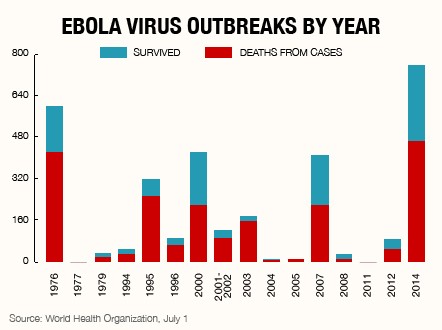
WHO reports there have been 759 cases, including 467 deaths, in Guinea, Sierra Leone and Liberia as of June 30.
 Enormous' impact
The impact of the outbreak, which began in March, "has been enormous in terms of loss of human lives and negative socioeconomic effects," Sambo said.
The disease's spread "is in great extent associated with some cultural practices and traditional beliefs" that run counter to preventive health measures, he said.
According to a WHO statement, such traditional practices foster "mistrust, apprehension and resistance" in local populations regarding health workers' efforts.
These include the hiding and treatment at home of Ebola victims, and funerals at which mourners touch the body of the deceased.
"These are very high-risk practices leading to extensive exposures to Ebola virus in the community," the statement said.
Sambo added, "The extensive movement of people within and across borders has facilitated rapid spread of the infection across and within the three countries."
Fighting Ebola in urban Africa
He also paid tribute to those on the front lines of the fight against the deadly disease, saying health workers have been "disproportionately affected," with more than 60 cases and 32 deaths reported among their ranks.
Latest Stories
-
Young Positivist Writes : My Experience with GCLP
28 minutes -
Strong Day 1 turnout sets tone for Day 2 of Republic Bank-JoyNews Habitat Fair Clinic
60 minutes -
Ghana Army warns new soldiers against social media misuse, uniform abuse
1 hour -
AMA calls for science-led action to tackle environmental health risks in Accra
1 hour -
NPP Canada Organizer BigMo urges Diaspora to support Kodua Frimpong
2 hours -
He entered at eight. He is now 16: Ghana’s children growing up in prayer camps
5 hours -
‘Development must not always begin from Accra’ — Anwelle Foundation launched in Jirapa
5 hours -
PKO trio eye victories at Odwira Festival
8 hours -
346 Ghana Navy recruits pass out after 26 weeks of intensive training
8 hours -
Newsfile to discuss EOCO-MP arrest, drug trafficking, speech arrests and $235m water debt
8 hours -
JoyNews gets results as listeners raise GH¢40,000 to help 17-year-old student with cerebral palsy attend SHS
9 hours -
Vice President calls for stronger local pharmaceutical production to reduce medicine imports
9 hours -
The brewing tension at KNUST; Beware the Ides of October….
9 hours -
Health Ministry moves to integrate traditional medicine into mainstream healthcare
10 hours -
550 pupils in Kintampo South get educational lifeline as ‘Seeds of Hope’ reaches farming communities
10 hours