

Audio By Carbonatix
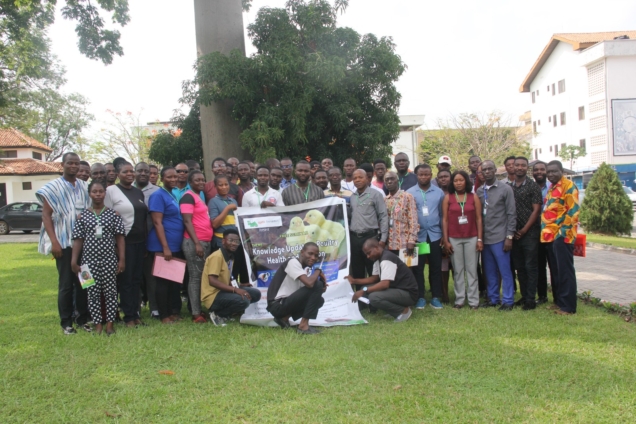
About 200 poultry farmers in the Greater Accra region have undergone training to learn effective heat stress management techniques, aimed at reducing mortality rates among their poultry flocks.
Poultry farmers from various districts, municipalities, and metropolis, who attended the 2-day training, say that recent changes in weather patterns, such as rising temperatures, are significantly impacting their farms, leading to reduced production and income.
The severity of the situation is deterring them from further investing in the poultry sector, as they struggle to maintain their current stock levels.
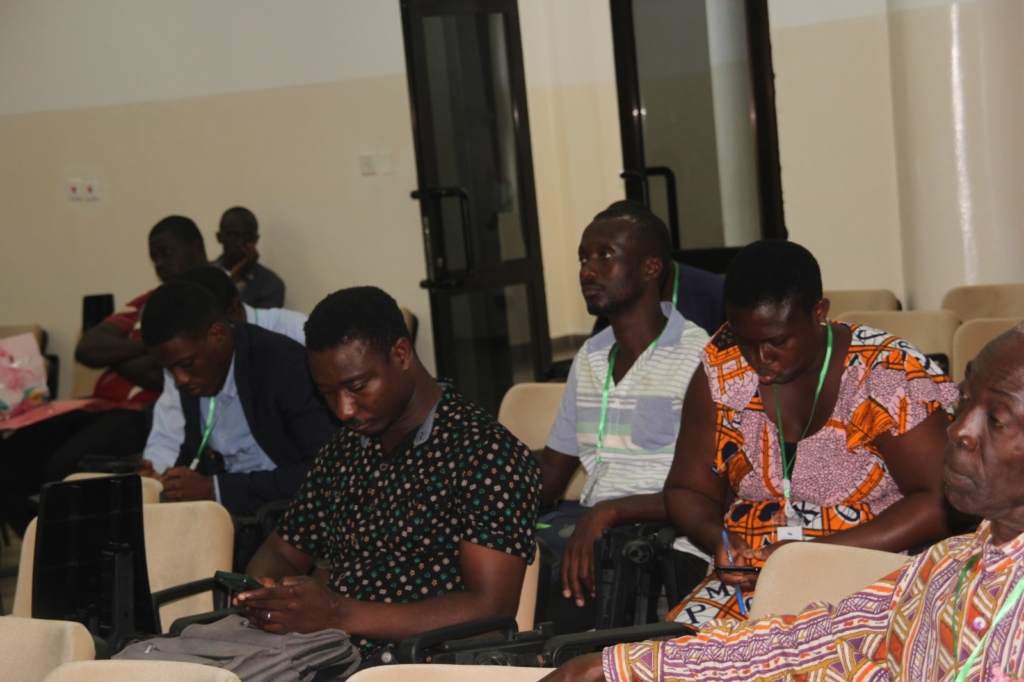
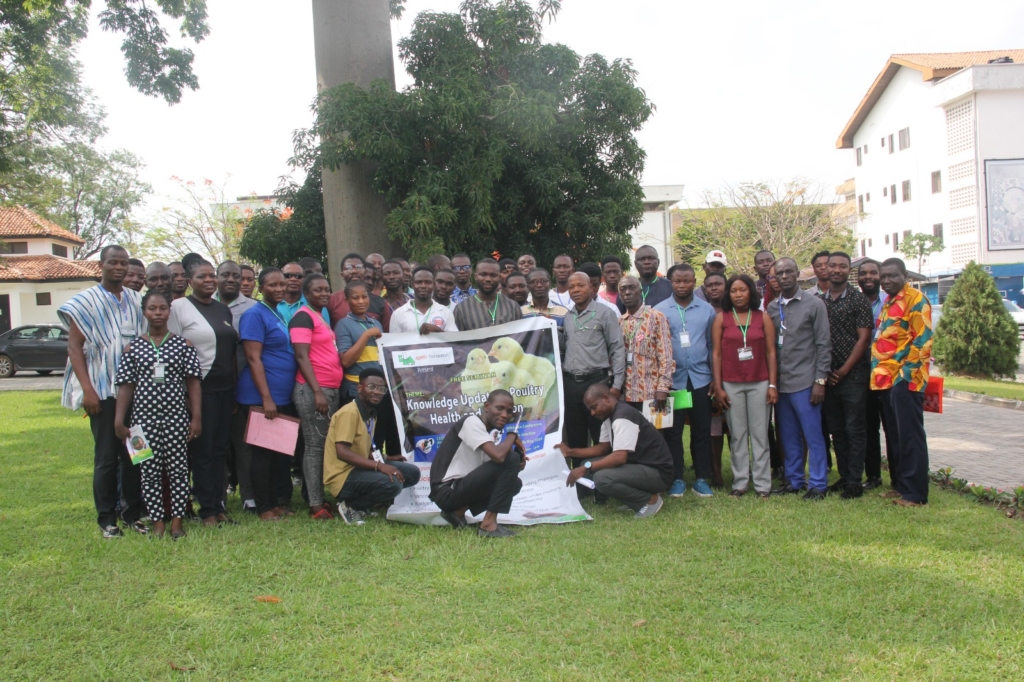
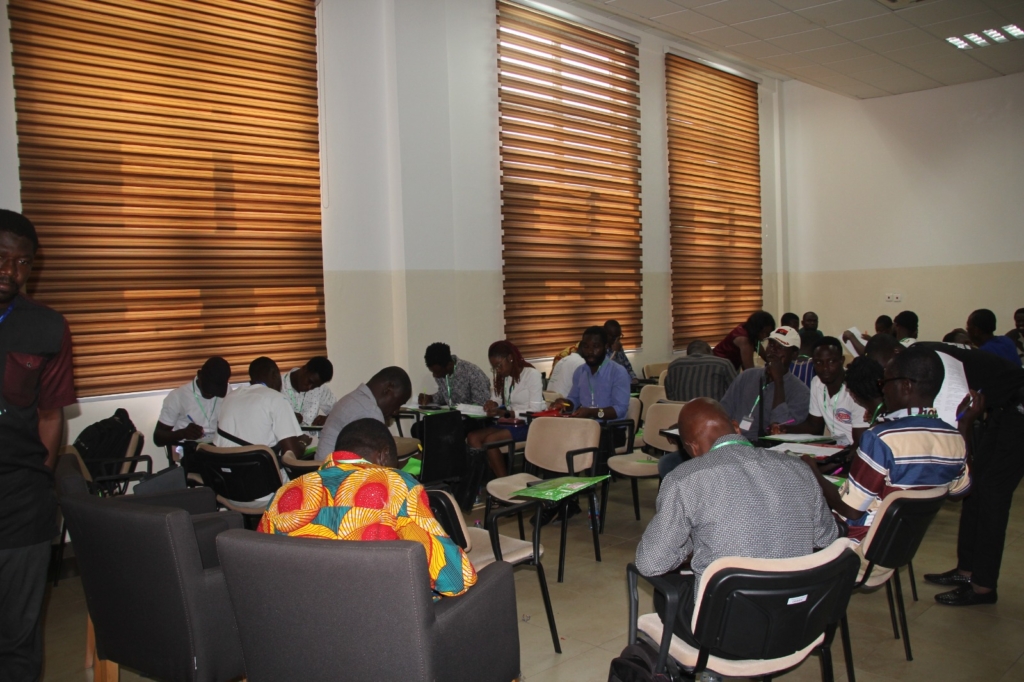
But an intervention by Livestock Industry Foundation for Africa (LIFA), a Nigerian NGO, has provided farmers with specialized training on poultry health and nutrition, under the theme "2nd knowledge update on poultry health and nutrition", to enhance their skills and knowledge, leading to improved farm productivity and reduced losses.
Mysterious and sudden deaths of poultry birds
The farm manager at Dorothy's Garden of Eden Farm, Esther Andoh, experienced a mysterious and sudden decline in her 200 flock in January 2024. Despite her efforts, she couldn't identify the cause.
One day, a significant number of birds - 50 - died unexpectedly without showing any signs of illness. Even after consulting a veterinary officer, who recommended increasing water intake and administering antibiotics, the situation remained unresolved.
“They kept dying so we had to separate the birds – keep others to reduce the mortality,” she said.
An agricultural extension officer at the La Nkwantanang Madina Municipal Assembly, Akosua Agyemang, reports that one of the farmers she works with was experiencing a duck die-off, but she lacked the expertise to diagnose the cause. She had planned to consult with a veterinary officer to obtain professional guidance and solutions to support the affected farmer.
So Akosua suspects that the lack of shade on the farm, leaving the ducks exposed to direct sunlight and heat, might be a contributing factor to their death.
Farmers who attended the training program shared similar experiences of unexplained bird deaths, echoing the challenges faced by Esther and Akosua. Many had lost significant number of birds, resulting in financial losses worth hundreds of Ghana cedis, a situation they are eager to prevent from happening again.
Farmers expect training to address challenges
The manager of Ami Farms Ventures, Armiyawu Abdul-Rahim, found the training to be hands-on, informative, and helpful in addressing the current issues his cousin is facing.
Previously, he had thought that viral and bacterial infections were the main causes of the challenges on his farm, but the training has broadened his understanding of the potential causes and solutions.
“We spend a lot of money buying anti-biotic thinking that it is an infection that we need to resolve, but it is just a problem of heat,”
Esther expressed her gratitude for the training, stating that it has enlightened her on the underlying causes of her birds' deaths and equipped her with the knowledge to implement effective management strategies, thereby reducing the risk of future losses.
“I have learnt to give the birds cold water and other minerals in the morning, high energy feeds in the afternoon and allow a lot of air through their pen,” she said.
Akosua, like Esther and Armiyawu, gained valuable insights from the training, which helped her identify potential causes of the duck deaths on the farm. She plans to advise the farmer to provide shade for the birds, among other recommendations, to prevent further mortality and ensure the well-being of the remaining birds.
Stay within the thermoneutral zone
Poultry animals thrive best in temperatures between 18 and 22°C, known as the thermoneutral zone, where they can maintain a stable body temperature without extra effort. If temperatures stray from this range, birds may suffer heat stress, which occurs when their heat gain exceeds their ability to cool down, leading to an energy imbalance that can harm their health and performance.
The energy imbalance that leads to heat stress in poultry is affected by both environmental factors - including sunlight, temperature, humidity, and crowding - and animal-specific factors like size, feathering, hydration levels, metabolism, and temperature regulation abilities. When the temperature rises above the ideal range, birds deploy various strategies to cool down, including changes in behavior, physiology, and biochemistry to mitigate the heat load.
According to Prof. Adebukunola Olufunmilayo Lala of LIFA, animals experiencing heat stress exhibit reduced performance, leading to well-documented negative consequences such as increased death rates, decreased growth and productivity, and a reduction in the quality of meat and eggs produced.
“Apart from decreasing in production, most of the farmers are experiencing sudden death,” she said.
Professor Lala states that the training aims to address the concerns of farmers and encourage them to transition to cooling housing systems, which will help mitigate the adverse effects of heat stress on their animals.
“A farmer must have a good well ventilated building and the cooling system be effective in terms of providing cool drinking water and increasing water points,”
Professor Lala advises farmers to reduce animal density to improve ventilation and implement various heat stress management strategies, including environmental management, sprinkling, and shading.
She emphasizes the importance of controlling environmental conditions for animal welfare and successful poultry production.
Additionally, Prof Lala recommends feed management and nutrition interventions, such as pelletized diets with increased energy and fat, and supplemental amino acids, vitamins, and minerals, to mitigate the effects of heat stress in birds. Proper nutrition plays a crucial role in reducing heat stress in poultry.
Latest Stories
-
2026 Women’s Super Cup: FC Savannah to face Epiphany Warriors in final on September 29
11 minutes -
Ghana’s second chance: How President Mahama’s return offers historic opportunity for transformation
17 minutes -
AFCON 2027Q: Alexander Djiku ruled out of clash against Gambia
21 minutes -
RCI Immanuel Temple donates supplies to Motherly Love Orphanage
1 hour -
COCOBOD asks investors to fund cocoa purchases, but proceeds may also repay old debt
1 hour -
Gov’t hands over site for construction of 160-bed Savannah Regional Hospital
2 hours -
NCPTA clarifies GH¢200 cap on PTA dues and levies per parent
2 hours -
Asante Kotoko part ways with coach Eric Tinkler
2 hours -
GTA calls for ultra-modern Cocoa Museum in Western North
2 hours -
NPP says concerns over delegates’ register addressed ahead of October 3 polls
2 hours -
PwC Ghana appoints George Arhin as Country Senior Partner
2 hours -
New Economy will turn imports into opportunities for Ghanaian production – Ato Forson
2 hours -
Two Ada SHS students convicted, placed on 12-month good behaviour bond
2 hours -
Samson’s Take: Verify the badge – and verify the story
2 hours -
Treasury bill demand rebounds as investors submit GH¢3.66bn in bids
2 hours