

Audio By Carbonatix
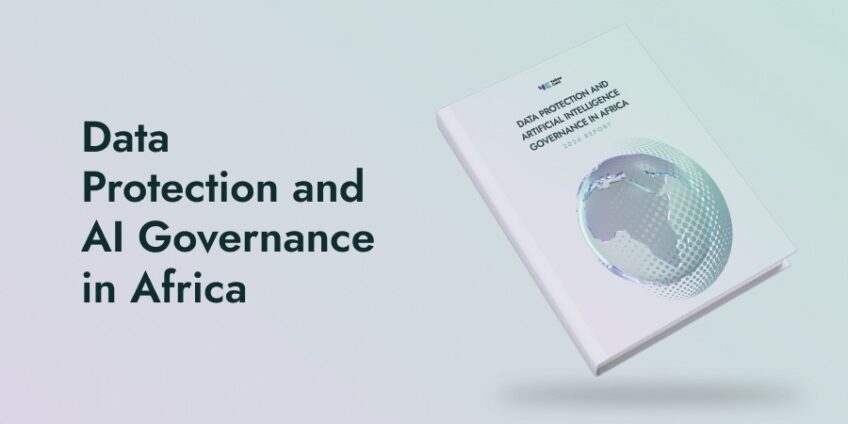
Yellow Card, the largest licensed stablecoin-based infrastructure provider for emerging markets, has released its 2026 Report on Data Protection and Artificial Intelligence Governance in Africa.
The comprehensive report outlines the rapid maturation of regulatory frameworks across the continent and sets a compliance blueprint for institutional expansion across global emerging markets.
As Banks, Financial Institutions, Telcos, and Payment Service Providers (PSPs) increasingly adopt stablecoins as foundational infrastructure for treasury management and cross-border payments, regulatory defensibility has become paramount.
The new report highlights a pivotal transition in the digital economy: the shift from foundational data protection legislation to active, enforceable AI governance.
"For enterprises operating across emerging markets, the ability to innovate and modernize payment rails is deeply tied to their capacity to navigate complex, cross-border regulatory landscapes," said Thelma Okorie, Group Data Protection and Privacy Counsel at Yellow Card and author of the report.
The 2026 report reveals that the convergence of data protection and AI governance is no longer a future concept, it is the current operational reality. Institutions must proactively embed privacy-by-design and ethical AI into their infrastructure to future-proof their ecosystems, mitigate risks, and maintain the trust required to scale.
Key Insights for the Institutional Financial Sector:
- Widespread Legislative Maturity: 45 African nations have now enacted data protection legislation, with 39 regulatory authorities fully operational, signaling a high-compliance baseline for digital operations in these markets.
- The Rise of AI Governance: 16 countries have adopted national AI strategies, with major economies like Nigeria, Angola, Morocco, and Namibia actively advancing enforceable AI laws.
This transition from "soft-law" policies to stringent regulations will heavily impact financial services deploying AI for KYC, transaction monitoring, and risk profiling.
Heightened Enforcement & Accountability: 2026 marks an era of rigorous enforcement.
Regulators are increasingly mandating Data Protection Impact Assessments (DPIAs) and Algorithmic Impact Assessments (AIAs), elevating the cost of non-compliance and making institutional-grade governance non-negotiable.
The Financial Sector in Focus: With cross-border data flows expanding, financial institutions using stablecoins to unlock trapped liquidity and reduce T+2 settlement times must ensure their underlying payment orchestrators maintain uncompromising data and security standards.
Navigating this fragmented regulatory landscape requires more than legal foresight; it demands resilient digital infrastructure. As AI and data regulation redefines what compliant market entry looks like, Yellow Card provides the fastest, and compliant, path to market.The company's API suite, and Treasury Portal deliver the licensed fiat and stablecoin rails businesses need to operate globally.
Instead of navigating compliance across 45 different nations, clients plug directly into the ecosystem to execute instant settlements across 30+ blockchains, manage global fiat accounts, and deploy custom stablecoins securely across emerging markets.
"Stablecoins are powerful tools for business efficiency, treasury management, and mitigating FX volatility risk," added Okorie. "However, the infrastructure powering them must operate in lockstep with the strictest data protection and AI governance frameworks. Yellow Card is proud to lead this charge, proving that world-class compliance and cutting-edge financial innovation are mutually reinforcing."
Latest Stories
-
I have no issue with John Boadu; we’ll work together – Justin Kodua
1 hour -
Adom FM Y2K Jam delivers a night of music, fashion and nostalgia
2 hours -
Lawrence Kobena Nsarko Otoo, Esq
3 hours -
Bel-Aqua intensifies mental well-being campaign ahead of 15th anniversary
3 hours -
From banking to party finances: Alfred Kwadwo Thompson elected NPP Treasurer
3 hours -
George Christian Papa Mends
3 hours -
Ali Suraj elected NPP NASARA Coordinator
3 hours -
Mustapha Hamid misses out on NPP Vice Chairmanship by 31 votes despite early poll lead
3 hours -
Kojo Bamba, Henry Nana Boakye and Nana Akomea elected NPP Vice Chairmen
4 hours -
From Delta Force to NPP First Vice Chairman – Kojo Bamba’s political journey
4 hours -
Police restore calm at Larteh following Odwira festival disturbance
5 hours -
‘All the camps will dissolve’ – Bawumia demands one NPP for 2028
5 hours -
There is no time to waste – Bawumia orders NPP to begin 2028 work
5 hours -
Sarkodie visits MobileMoney Fintech LTD
5 hours -
John Boadu unveils new NPP strategy to win back youth and modernise party
5 hours