

Audio By Carbonatix
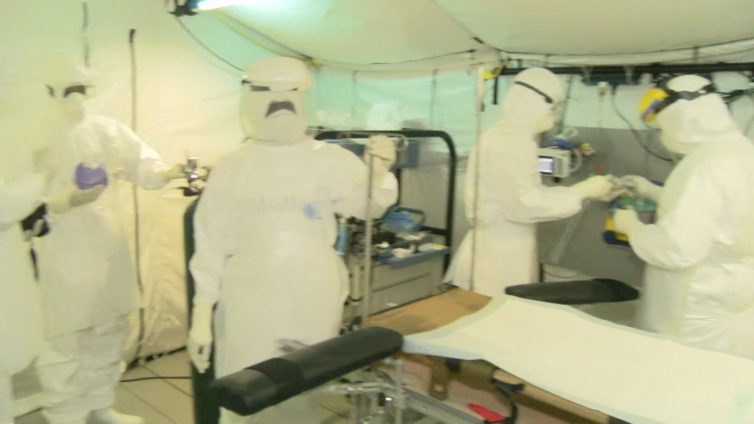
All over the world, the novel coronavirus is taking an unprecedented toll on health infrastructure. This pandemic has even overwhelmed developed countries with some of the best healthcare systems in the world crashing.
At the core of the fight against this virus are frontline healthcare workers whose work has even become more dangerous in these times.
In Ghana, there have been concerns by some of them about the lack of or inadequate Personal Protective Equipment (PPE) required to aid them to perform their duties safely and effectively.
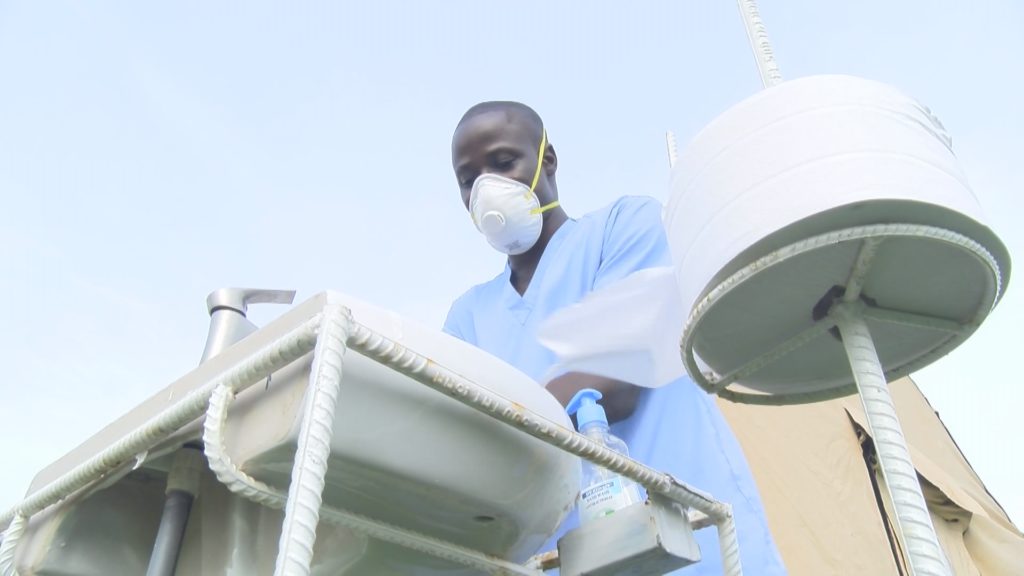
It is therefore an undeniable fact that the role of these healthcare workers in the Covid-19 battle cannot be underestimated. But while they continue with their heroic efforts, they also have to grapple with stigma from the communities in which they live.
One of such frontline healthcare workers is Major Mathias Yeli-Ahig, Deputy Camp Commandant at the Elwak Level 2 Covid-19 Isolation and Treatment Centre. He is part of the over 20 health workers deployed from the Ghana Armed Forces to help manage and care for persons at the Elwak Covid-19 Centre.
As a health worker, he understands the hazards associated with the job at hand. “We took an oath to defend this country by air, land, and sea even at the peril of our lives. So when the very moment came for you to put that oath to work or to really stand by the words you said before the Commander-In-Chief, we don’t hesitate. We rather take pride in that opportunity”, he said when quizzed about his view on the dangers associated with the job.
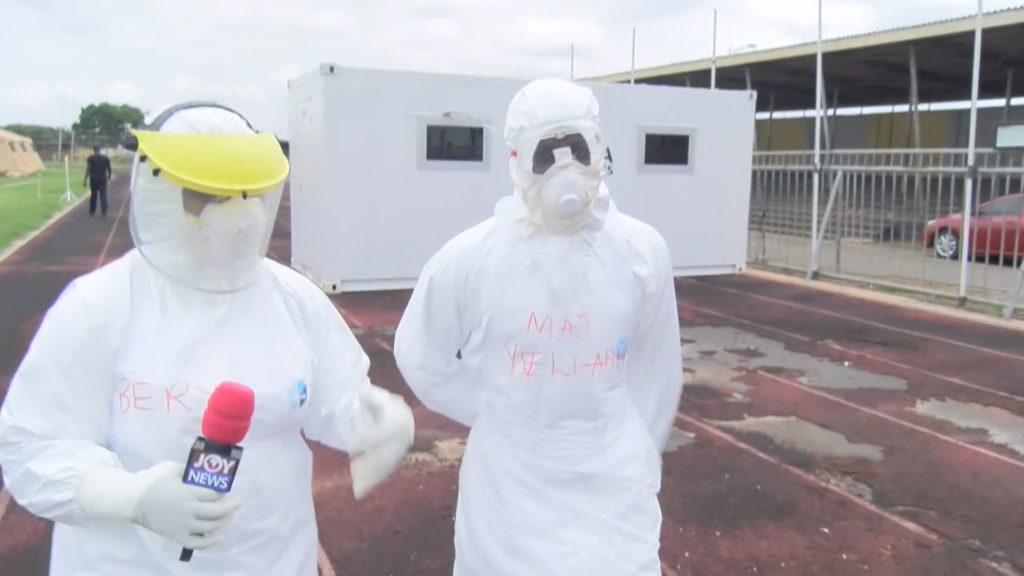
Just like other front liners, he has encountered challenges with regards to the stigma he sometimes faces from friends.
“This video that is being filmed; the next moment you see a friend, he’ll be like; 'boy ibi like last time I see you for TV top, you dey the Covid Centre? Okay, maintain some distance whiles we talk.' You know it’s funny but indirectly the person has shown that level of stigmatisation,” he said in an interview with JoyNews.
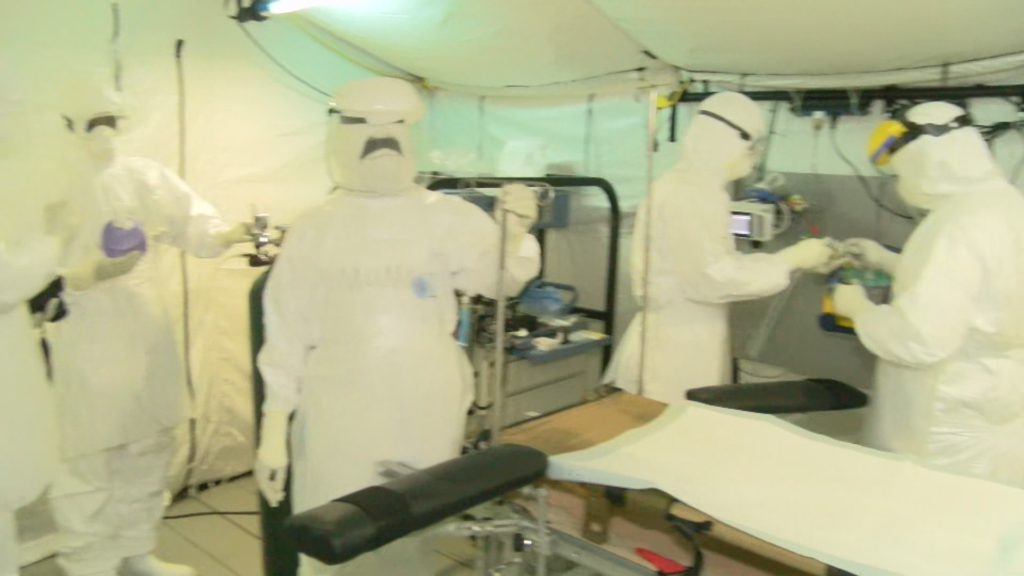
“Our greatest concern is the patients. Once they leave here and they have been declared recovered; it means they have recovered. There is no point trying to avoid them. The worst of it is the non-verbal communication”, said Major Yeli-Ahig on the stigma faced by persons who have recovered from the disease.
He explains that the best thing to do is “when they come back, that is when we show them love. We try to learn from their experiences. They will share the stories that they went through so that we will know that indeed what we are up against as a nation is real”.
Latest Stories
-
Allround Baby Pants launched in Ghana to ease diapering for mothers
2 hours -
Aggrieved Gold Coast Fund Management Company customers to petition Mahama over locked-up funds
2 hours -
NSMQ 2026: PRESEC, Legon dethrones defending champions Mfantsipim in thrilling battle to book semi-final spot
3 hours -
NPP set to overhaul constitution as delegates prepare to vote on sweeping reforms
3 hours -
Ghana’s cashew industry faces processing gap as Côte d’Ivoire moves to capture more value
3 hours -
“Our greatest wealth is not in our soil but our people” — Upper West Minister
3 hours -
Luex Healthcare launches children’s health education book series with Luey the Lion
3 hours -
NAGRAT urges gov’t to communicate early if September deadline cannot be met
4 hours -
We trust government to meet September deadline on teachers’ promotions – NAGRAT
4 hours -
“We dare not fail” – Gov’t promises to honour teachers’ promotion pay deal
4 hours -
The GH¢19.8 billion mirage: Inside Ghana’s state enterprise turnaround
4 hours -
Luv FM High School Debate: KNUST SHS and Osei Adutwum SHS set up thrilling final after dramatic semi-finals
4 hours -
KNUST AI Coordinator urges structured adoption of AI in teacher education
4 hours -
Nepal rescuers blast hillside in search of hydropower workers as families wait anxiously
5 hours -
Teachers who pass promotional exam to get January 2026 start date after gov’t resolves promotion dispute – Dr Apaak assures
5 hours