

Audio By Carbonatix
LG said on Monday it will close its loss-making mobile phone business worldwide as the once pioneer brand looks to focus its resources in “growth areas” such as electric vehicle components, connected devices, smart homes, robotics, AI and B2B solutions, and platforms and services.
The South Korean firm said in a statement that its board of directors approved the decision today. The unsurprising move follows the company’s statement from January when it said it was reviewing the direction of its smartphone business.
LG, which maintained No. 3 spot in the smartphone market in the U.S. for a long time, said it will continue to sell handsets until the inventory lasts, and will provide software support for existing lineup of smartphones for a certain period of time that would vary by region.
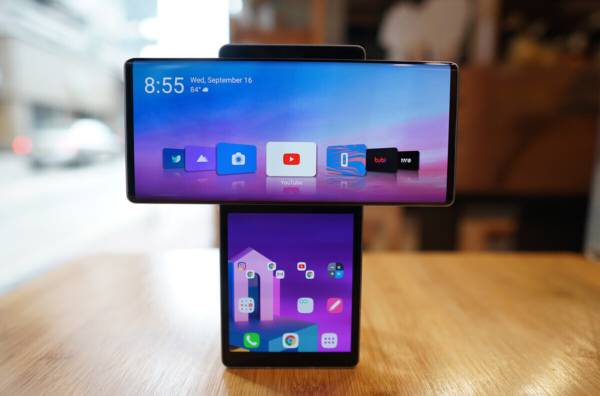
The company said the status of its employees of phone business will be determined at the local level. In January, reports emerged that said LG was looking to sell its smartphone business. In the same month, the company said it would launch a rollable phone this year. But it appears all the efforts to keep the business stay afloat failed.
“Moving forward, LG will continue to leverage its mobile expertise and develop mobility-related technologies such as 6G to help further strengthen competitiveness in other business areas. Core technologies developed during the two decades of LG’s mobile business operations will also be retained and applied to existing and future products,” it said in a statement.
The poor financial performance of LG’s smartphone business has been public information for several years. Like countless other Android smartphone vendors, LG has struggled to turn things around.
LG focused on mid-range and high-end smartphones, two segments of the market that have become increasingly competitive in the past decade thanks to the rise of Chinese phone makers such as Huawei, Xiaomi, OnePlus, Oppo, and Vivo that are launching better value-for-money models every few months. (Once a rival, HTC has been struggling, too.)
Several phonemakers today rely heavily on software services such as mobile payments to make money. While LG launched a mobile payments service in 2017, two years after Samsung launched Samsung Pay, LG’s portfolio of services remained thin throughout the years.
“LG was too much dependent on two markets: Korea (KR) & North America (NA),” said Neil Shah, Partner at research firm Counterpoint. “One thing which has helped LG stay afloat for so many years is their vertical integration. They are a ‘mini Samsung,'” he said, pointing to LG Display (displays), LG Chem (batteries), LG Innotek (camera, IoT/auto modules), Silicon Works (semi), and LG Electronics (consumer goods).
Latest Stories
-
Richard Dogbe declares bid for NDC Greater Accra Deputy Youth Organiser
4 minutes -
M.anifest questions toxic fan culture amid fresh music industry tensions
5 minutes -
469 farmers paid compensation as Accra-Kumasi Expressway clearance progresses
7 minutes -
Malaysian boy acquitted for murder of schoolgirl on grounds of insanity
15 minutes -
Arabic, Chinese teaching debate should end after Mahama’s clarification – Asah-Asante
16 minutes -
Ashanti Regional Minister halts 24-Hour Market project in Mankranso over school demolition concerns
18 minutes -
The Forgotten “Little Children”
26 minutes -
Zambians warned not to eat dead wildlife after anthrax kills dozens of animals
28 minutes -
AG urges GBA to remain the conscience of Ghanaian society
40 minutes -
24-Hour Economy: Minority questions demolition of schools, markets and other public assets
43 minutes -
China criticises idea it is in ‘malicious competition’ over AI
45 minutes -
Russia hits Ukrainian train shortly after Boris Johnson and top European officials leave station
45 minutes -
Sista Afia reveals fears about becoming a single mother
48 minutes -
Gov’t 24-Hour Economy markets programme is an afterthought – Minority
49 minutes -
Minority wants traders, residents heard before 24-Hour Market projects
50 minutes