

Audio By Carbonatix
The new iPhone 14 has been announced and is expected on the market in a couple of days. With the release, comes the thrill of using the latest top-of-the-line device.
Apple enthusiasts have already preordered the device in anticipation of being among the first to enjoy the new features.
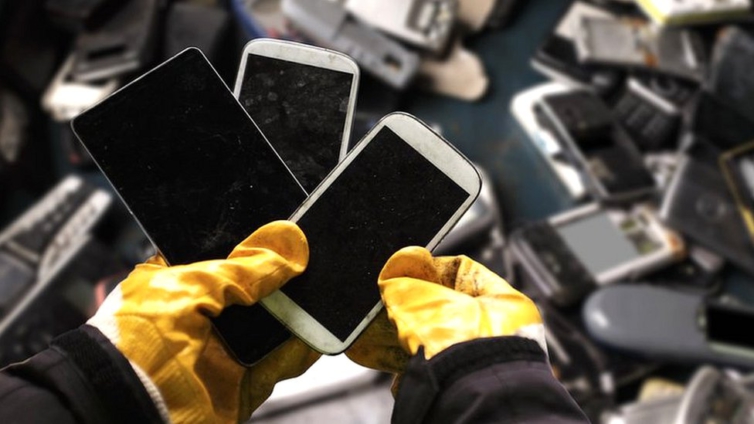
What happens to the old devices? Most people in the West will recycle theirs. Even a considerable number of Africans and Ghanaians specifically will swap their old devices for new ones. But some of the devices are just too old to put back on the market for persons who want a budget device. They must simply be discarded.
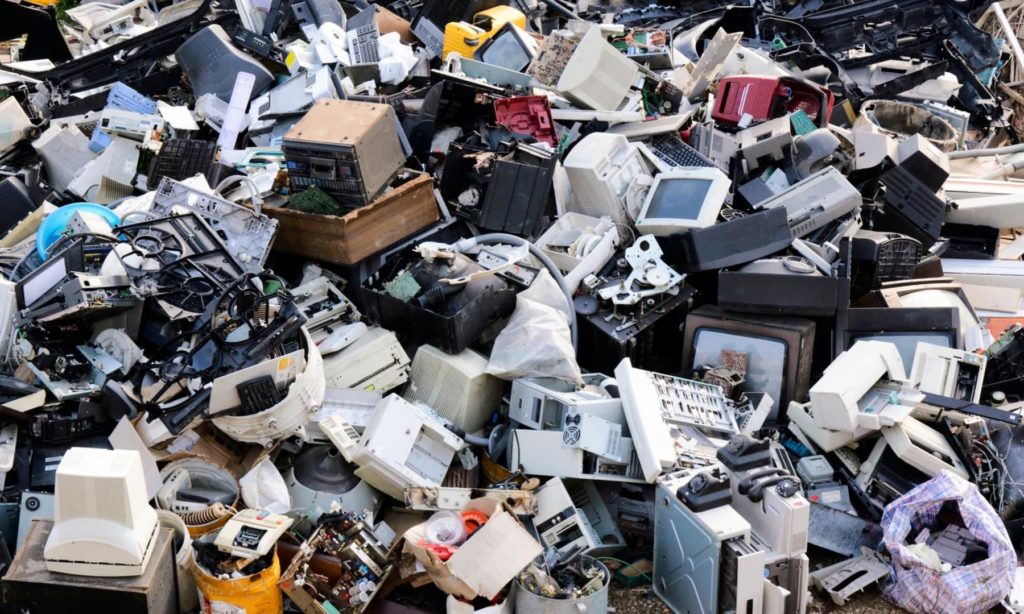
Where then do you dispose of these used devices? Take the discussion away from your old iPhone - an old TV remote control, headsets, loudspeakers, desktop computers, electric kettles and numerous electrical and electronic devices in your home, how do you discard them? Ever thought of how your method of getting rid of them comes back to affect you?
A survey of three of the public universities in Accra showed that no provision has been made for the appropriate disposal of e-waste. Some of these communities have made strides in getting members to segregate plastic from other domestic waste but conspicuously missing are attempts to segregate and properly deal with e-waste.
The effects of this pattern of behaviour are simply dire.
First of all, what is e-waste? The UN defines it as any discarded product with a battery or plug that features toxic and hazardous substances such as mercury, that can pose severe risks to human and environmental health.
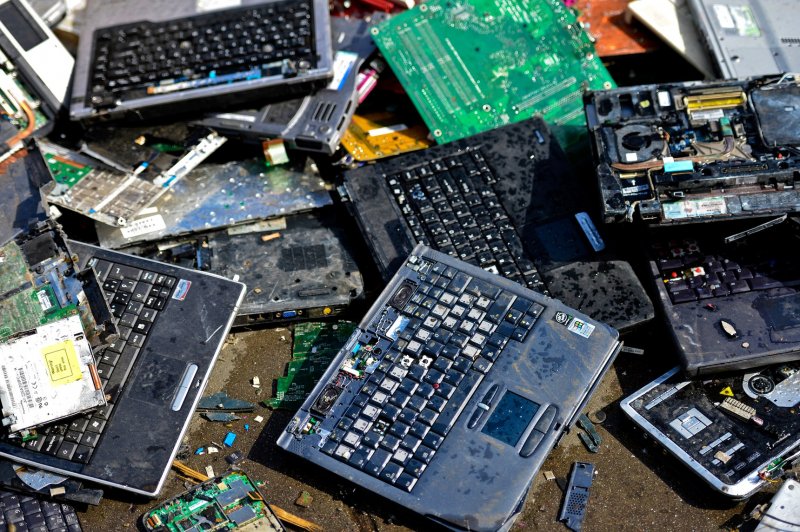
Other components of this discarded matter are plastics and lead. Plastics take hundreds of years to decay which means the open-site disposal of these gadgets directly affects soil structure. Lead another component of electronic waste is poisonous to living things.
In Ghana, the vast majority of e-waste is managed under poor environmental, health and safety conditions. Open burning of cables and manual disassembly of lead-acid batteries are still widely used practices, causing significant environmental pollution and damage to human health, says the UN Environment Programme.
E-waste is not charred only as a means of getting rid of them. Scrap dealers and other salvagers, mostly the youth from different parts of the country and even West Africa who live in Accra, burn e-waste to salvage gold, iron and other metals and that process releases toxic fumes into the environment, especially those who inhale it.
When these fumes go up in the sky, it falls back as acid rain which damages crops.
Burns, back problems, and infected wounds are common ailments among these workers, as well as respiratory problems, chronic nausea, and debilitating headaches—brought on by the hazardous working environment and toxic air pollution, Bloomberg writes.
Amedzor Eyram, team lead at Dispose Green, a waste management company says Ghana has not invested much in dealing with e-waste, with much focus placed on domestic household waste.
One key strategy to take e-waste on is purposively providing facilities to recycle/repurpose used electric devices. Non-functional electronic devices must also be banned, Mr Amedzor said.
Besides programmes being run by GIZ in the management of e-waste, very little attention has been directed to the topic in Ghana.
It might just be the time for specific government policies targeted at the issue because with the release of newer technology like the iPhone 14, the older gadgets cry for space and in the absence of proper means of recycling or discarding them, they add to the tons of e-waste harming the Ghanaian environment.
Latest Stories
-
UHAS halts semester exams over administrative, logistical issues
3 hours -
ECG announces planned maintenance outages in parts of Ashanti Region
3 hours -
Sexual harassment has no place in educational institutions – Education Ministry
3 hours -
The growing culture of vacation classes in Ghana: Should students rest or continue schoolwork?
4 hours -
E.P. Church secures radio frequency, prepares to launch Bremen Radio
4 hours -
Two dead and hundreds evacuated as twin fires break out on Greek island
4 hours -
EPCG clears over GH¢11.7m in debt as outgoing moderator calls for tighter controls on borrowing
4 hours -
Mövenpick Ambassador Hotel Accra marks 15 years of premium hospitality
4 hours -
T-bills auction: Government exceeds target by 88%, interest rates tumble
5 hours -
Western North: Confusion erupts over NPP chairmanship election results
6 hours -
Bawumia congratulates newly elected NPP regional executives
6 hours -
Bawumia urges unity after NPP regional elections ahead of 2028
6 hours -
Russia says at least seven killed in largest Ukrainian attack of 2026
6 hours -
Ghana and Netherlands sign pact to combat illicit drugs and drug markets
6 hours -
Akandoh warns Boards against interfering in day-to-day management of health institutions
6 hours