

Audio By Carbonatix
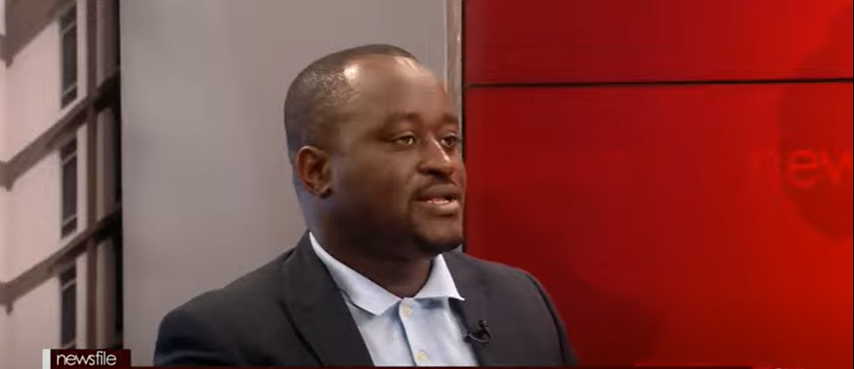
An Economist, Dr. Theo Acheampong, says the new deadline for the domestic debt exchange programme will not be met.
This follows an announcement by the Ministry of Finance on Monday, January 16.
The date for the programme which has been extended three times since it was announced has faced strong opposition from various stakeholders, including individual bondholders who accuse the government of failing to engage them before including them in the programme.
They are demanding extensive engagement from government in order for an amicable solution to be reached.
However, speaking on PM Express, Dr. Theo Acheampong said, taking into consideration the government’s top-down approach in handling the programme, reaching an amicable solution may remain a dream for a long time.
“Currently in my view, the process has been bungled because of the sort of i-know-it-all attitude of the government where instead of engaging and consulting widely with the people that are affected, a lot of the things were pretty much thrown at them.
“And this is people’s monies, people’s livelihoods that we’re talking about. And so there was always going to be heavy resistance to it. But what people wanted to see was the government to actually engage in an open and frank manner rather than attempting to force the whole thing on them as a take-it-or-leave-it option. And that is really where we have a lot of the challenges now,” he said.
He explained that a lot of work needed to be done for the government’s debt exchange programme to be considered attainable and sustainable, hence the January 31st deadline will not be met.
“I don’t think that that 31st January extension new date will be met because there are very entrenched positions here. And fundamentally, what this also means in my view is that that 55% debt to GDP number is not sustainable even by 2028.
“So we might have to actually go back and rework those numbers, because you’re talking about having to reduce your debt threshold by half within the space of about 4 years and that is going to impose heavy austerity on the people of Ghana.
“So perhaps it’s really a question of going back to the drawing board and trying to see if we can instead have a gradual reduction of these debt metrics and indicators over maybe an eight to 10 years period,” he said.
Latest Stories
-
President Mahama ends Resetting Ghana tour of Ahafo Region
2 minutes -
African negotiators seek delivery of climate commitments at COP31
3 minutes -
BoG develops AI rules for financial sector
6 minutes -
‘Big Push’: Government assures contractors of prompt payments
10 minutes -
Court fines miner for breaking into gold buying shop
20 minutes -
Tarkwa court jails labourer for three years over GH¢123,000 theft
1 hour -
GAEC must retain nuclear scientists for Ghana’s nuclear ambitions – Minister
2 hours -
Man reportedly mistaken for game and shot by hunter dead in forest
2 hours -
19-year-old mason jailed 15 years for defiling seven-year-old pupil
2 hours -
Ghana’s banking sector assets rise 20.47% to GH¢500.2bn – BoG Governor
2 hours -
22 injured as Sprinter bus overturns at Sege after tyre burst
2 hours -
UN housing expert urges Ghana to strengthen Rent Control Department amid housing affordability concerns
2 hours -
Delta-BCI partnership reaches 166,000 people with breast cancer education
2 hours -
Power restoration fault suspected in Kumasi Central Market fire
7 hours -
The 7-foot giant of Ngleshie Amanfro: Seven-foot Ghanaian Ephraim Saawa dreams of joining the national basketball team
8 hours