

Audio By Carbonatix
The World Health Organisation (WHO) is set to declare an artificial sweetener as a possible cause of cancer.
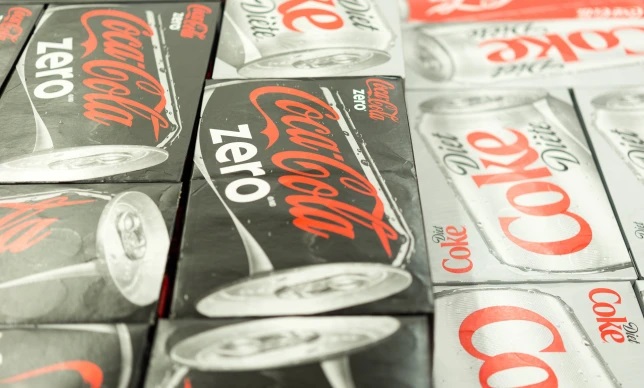
Aspartame is used in popular products like Coca-Cola’s diet drinks and Mars Extra chewing gum.
But next month, the WHO is set to list it as ‘possibly carcinogenic to humans’, according to two sources with knowledge of the process.
The ruling won’t take into account how much aspartame someone can consume safely – that advice comes separately from a WHO expert committee on food additives.
The organisation’s committee on additives is reviewing aspartame use this year, and will announce its findings on July 14, the same day the decision on whether to declare it as carcinogenic is published.
A spokesman for the International Agency for Research on Cancer (IARC), the WHO’s dedicated cancer research arm which has been looking into the sweetener, said its findings were ‘confidential’ until July.
The additives committee ‘conducts risk assessment, which determines the probability of a specific type of harm to occur under certain conditions and levels of exposure’.
Since 1981,the additives committee has said aspartame is safe to consume within daily limits.


For example, an adult weighing 60 kg (132 pounds) would have to drink between 12 and 36 cans of diet soda – depending on the amount of aspartame in the beverage – every day to be at risk.
This view has been widely shared by national regulators, including in the United States and Europe.
The IARC’s rulings can have a huge impact – but have also sparked criticism over warnings about hard-to-avoid substances and situations.
It previously classed working overnight and eating red meat as ‘probably cancer-causing’, and using mobile phones as ‘possibly cancer-causing’.
The International Sweeteners Association has criticised the IARC’s decision-making, saying: ‘IARC is not a food safety body and their review of aspartame is not scientifically comprehensive and is based heavily on widely discredited research.’
The International Council of Beverages Associations’ executive director Kate Loatman said public health authorities should be ‘deeply concerned’ by the ‘leaked opinion’, and also warned it ‘could needlessly mislead consumers into consuming more sugar rather than choosing safe no- and low-sugar options’.
Sources close to the IARC say classing aspartame as a possible carcinogen should motivate more research into the sweetener.
Last month the WHO advised people not to use non-sugar sweeteners while attempting to lose weight, causing uproar in the food industry.
Latest Stories
-
ADB Ghana Medicals constructing and equipping new Cardiothoracic Centre at Komfo Anokye
5 minutes -
AFREIKH Summer School challenges Africa to harness critical minerals
14 minutes -
Government plans 2,000-acre pharmaceutical innovation park in Osudoku to boost local drug production
16 minutes -
Partey undergoes medical ahead of Al Shabab move in Saudi Arabia
18 minutes -
Today’s front pages: Friday, August 21, 2026
37 minutes -
Power outages could drive up cost of digital services — NITA
39 minutes -
Patients face basic sanitation gaps in West African health facilities — WHO / UNICEF
46 minutes -
Competence has no age; let’s stop punishing new businesses
1 hour -
JoyNews Republic Bank Habitat Fair 2026 opens today at Achimota Mall
1 hour -
What Is Wrong With Us: The roads that keep counting our dead
1 hour -
MTN condemns recent xenophobic attacks on Ghanaians in South Africa
1 hour -
Philip Nai: What happens at your front desk can make or break your brand
1 hour -
Ghana’s mining deaths fall sharply, but Chamber insists ‘three deaths are too many’
3 hours -
Tatale Sanguli officials destroy expired food products, warn traders
3 hours -
Police arrest two watchmen over alleged defilement of 14-year-old student
3 hours