

Audio By Carbonatix
Energy Minister, Dr. Matthew Opoku Prempeh, says natural gas is the main resource to help support large scale industrialisation in Africa in order to bridge the poverty gap that has existed between Africa and the rest of the world.
In Dr. Prempeh’s view the ability of African governments to contribute financially to the development of its natural gas resources is critical to sustaining its viability.
He said, it is important for Africa to start mobilising funds through local financial institutions or collaborations among ourselves.
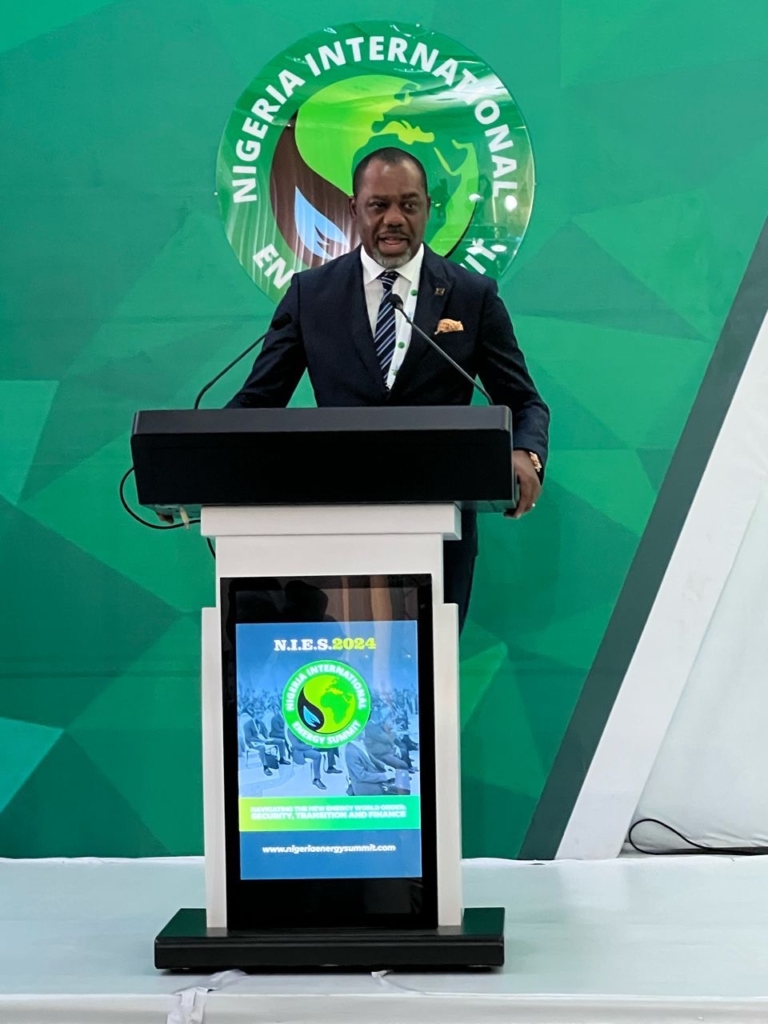
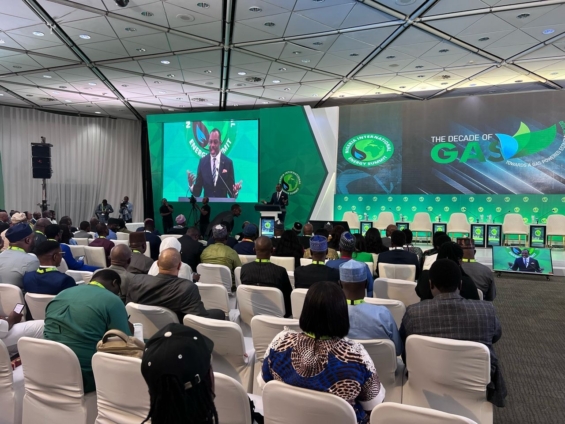
The Energy Minister made these assertions at the Gas day session of the Nigeria International Energy Summit on Thursday, 29th February, 2024
“We can leverage the African Energy Bank which Ghana is supporting and whose headquarters Ghana expects to host, to raise competitive financing for the faster development of natural gas projects and the development of infrastructure for research and development, and for processing, transportation and transformation of our natural resources.” He said
The Minister who is also Member of Parliament for Manhyia South said, Africa is home to some of the largest gas reserves, and Nigeria leads the way with over 200 trillion cubic feet of gas. Others with significant reserves in the Sub-Saharan region include Mozambique, Angola, Senegal, Cameroon.
Ghana is also accelerating exploration and development for more production of its oil and gas resources in a sustainable way.
“In the next decade, we can expect to see continued investment in natural gas infrastructure such as pipelines, liquefied natural gas (LNG) terminals, power plants and petrochemical establishments on the continent, which present a unique opportunity for Africa to take charge of its own destiny” he said.
He continued “As indicated earlier, infrastructure development is key in fulfilling the massive untapped potential the resource presents. There has to be adequate infrastructure for processing, storage, transportation and transformation of natural gas resources to meet the market demands.”
In this regard, the initiative of Dangote to build the 650,000 barrels per day oil refinery and a petrochemical complex here in Nigeria is laudable.
In Ghana, we recently commissioned a hundred barrels per day oil refinery to increase our refining capacity and have plans in place to further increase our refining capacity in the near future. Other on-going projects include Tema LNG Terminal and the Tema City Gate and Gas Distribution Pipeline Network”
Ghana, he said, looks forward to Nigeria as its main supplier of cheap and reliable gas to complement those of our domestic sources and the West African Gas Pipeline.
“The execution of the Nigeria to Morocco pipeline will also stimulate the patronage of gas and expand the gas market on the Continent, especially in countries along the pipeline route” he added.
Latest Stories
-
Power restoration fault suspected in Kumasi Central Market fire
1 hour -
The 7-foot giant of Ngleshie Amanfro: Seven-foot Ghanaian Ephraim Saawa dreams of joining the national basketball team
2 hours -
Government promises support for Kumasi Central Market fire victims
2 hours -
Vibes The Movie: Big Ghun’s Ghanaian film earns five nominations at 2026 REFFA
3 hours -
MamaCare CEO warns unresolved conflicts among health workers could undermine maternal and neonatal care
3 hours -
Health professionals urged to translate medical knowledge into practice to save mothers
3 hours -
Conflicts among care providers linked to maternal, neonatal deaths – Expert
5 hours -
GIS marks 10th TIME conference, champions improved teaching practices
5 hours -
BRICS Or Balance? What Ghana’s bid really means
5 hours -
GPRTU wants full TRAFFITECH-GH implementation to start in 2027
5 hours -
Mahama announces plans to import electric wheelchairs for PWDs
6 hours -
KGL U17 Colts 2026: Western beat Prempeh Elite Academy to set up final final with Greater Accra Region
6 hours -
Late Solanke strike salvages 10-man Spurs draw at Man United
6 hours -
Gender Ministry to monitor welfare of Nana Akua Addo’s children amid domestic violence case
6 hours -
Benedict Okyere Yeboah: Ghana’s football problem goes beyond sacking a coach
6 hours