

Audio By Carbonatix
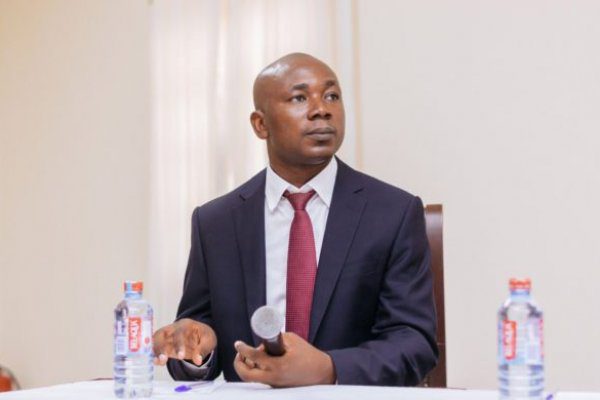
Economist and professor of finance at the University of Ghana, Prof Godfred Bokpin, has asserted that the cedi can only be stabilised temporarily from further depreciation in its performance against major foreign currencies but continue slipping as has been the trajectory for decades.
He attributes this trend to the lack of a robust macroeconomic policy support for the cedi.
Speaking on Joy FM's Super Morning Show on Monday, May 13, Prof Bokpin explained that the cedi has persistently suffered depreciation since its introduction in July 1965.
He anticipates intermittent periods of relative stability but underscores the likelihood of continued depreciation, even with optimal economic measures in place.
“If we do everything right we will still expect that the cedi will depreciate by a certain margin given the relative strength of the economy.
“It's a shame that we haven't been able to provide the cedi with the necessary support through sound macroeconomics policy making, including responsible fiscal management and prudent monetary policy.
“As a result, we've denied the cedi some basic rights and then expect it to perform magic, when in reality, the cedi's behaviour is a reflection of weak underlying fundamentals”explained.
In referring to the Vice President, Dr Mahamudu Bawumia's popular phrase about the cedi's depreciation, Prof Bokpin argued that the exchange rate will expose the currency as long as the fundamentals of the economy remain weak.
Prof Bokpin mentioned that in 1964, Ghana had inflation of less than 1%. At that time, Ghana did not have its national currency and used the British West African pound, limiting its monetary control.
He said even after gaining independence, printing currency remained out of reach, until in July 1965 when the cedi was introduced. However, inflation has been a continuous challenge since then.
As of today, Monday, May 13, one US dollar averages GH¢14.5 according to Joy Business.
Analysts are envisaging a continuous weakening trajectory of the local currency as foreign exchange demand-supply disparity remains substantial.
They, however, anticipate improved liquidity conditions towards the end of quarter two of 2024 after the International Monetary Fund (IMF) board approves the second review of Ghana’s programme. This will lead to a tranche disbursement of US$360 million under the IMF programme.
Latest Stories
-
Mentapulse Africa annual GHL Summit to tackle Ghana’s growing talent retention crisis
2 hours -
Asiedu Nketia dismisses NPP’s GoldBod criticism as political distraction
2 hours -
Hotel Manager convicted for accumulating refuse behind hotel premises
2 hours -
Telecel Ghana launches SME Month 2026 to unlock growth for entrepreneurs
2 hours -
Disability graduates give government September 15 deadline over employment
3 hours -
Fadu set to join 10,000 young leaders at World Youth Festival in Russia
3 hours -
Effutu MCE, Gomoa Central DCE appeal for calm after deadly New Winneba attack
3 hours -
A-Plus narrowly escapes attack by angry New Winneba residents
3 hours -
Piwak crowned football champions at JoySports Invitational Tournament 2026
3 hours -
Dancehall star Kaakie earns doctorate in nursing, launches mental health practice in US
3 hours -
7 suspects arrested over New Winneba attack
4 hours -
There is no missing gold – Atta Issah rejects NPP’s 16,000oz claim
4 hours -
Three dead, 15 injured in violent clashes at New Winneba
5 hours -
Dog handlers promote animal welfare as classic dog show captivates Kumasi
5 hours -
GoldBod dismisses NPP’s forex allegations as ‘fishing expedition on desert’
5 hours