

Audio By Carbonatix
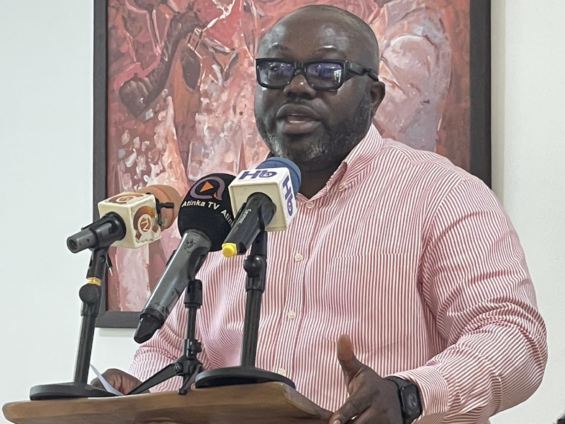
Mr Stephen Caleb Opuni, Africa Regional Director, IDF Foundation, an international organisation that promotes education, has urged journalists to emphasise youth voices in leadership and governance issues in the country.
He said that youth voices were important in decision-making policies and initiatives and should be prominently featured rather than sidelined.
Mr Opuni said this at the IDF Youth Speaks Press Briefing in Accra, which commemorated UN International Youth Day and the IDF Foundation's 15-year presence in Ghana, advocating education growth and development.
The event brought together students alumni of IDF Foundation’s Rising Schools project, a project implemented by the foundation to support low-fee private community schools, to share their views on how to champion youth voices.
He stressed that practitioners must be purposeful about creating spaces for young people to express their views and participate in developing policies and reforms.
“Oftentimes, the youth are objects of our programming, of our policies, of our developments. We need to ensure that their voices, their aspirations, as well as their interests and ideas are part of shaping the future of Ghana and the African continent.”
“Let us help to create these platforms where youth are around the sitting table, making sure that their futures are being taken care of, and have a part to play in shaping what the future looks like and also that the future reflects their aspirations,” he added.
According to Mr Opuni, for the youth to participate in local and global conversations, they must first be invited to the table within the school setting, then with local actors and organisations.
A level 200 Chemistry student at KNUST and an IDP Foundation Rising Schools Project alumni, Ms Latifah Mudasiru, advocated for the establishment of mental health awareness and counseling programmes for youths, particularly students, to assist them deal with depression and boost their morale.
She said that young people frequently struggle with worry and stress and lack access to support services.
“Mental health awareness and counseling programmes in schools can help students deal with personal experiences and trauma from home or their environment as they come to school. This would enable them stay focused in achieving their goals,” she added.
A KNUST environmental science graduate and Rising School Project alumni, Ms Margaret Awugyi, explained that the youth were sometimes hesitant to speak up due to cultural stigmas and perceptions that elders do not value their opinions, even on issues that directly affected them.
Latest Stories
-
Ghana Badminton unveils Junior Shuttlers for African title defence in Egypt
9 minutes -
Thomas Partey ruled out of Al-Shabab’s next two matches
32 minutes -
2026 U-20 WWC: Sarah Nyarko targets knockout stages with Black Princesses after victory over South Korea
50 minutes -
President Mahama warns: Poor refereeing, match manipulation are destroying Ghana football
1 hour -
Businessman rejects GH¢79.7m judgment windfall – He says actual claim was below GH¢10m
1 hour -
Mahama calls on GFA, clubs to raise standard of domestic football
1 hour -
Ghana’s Rahim Ibrahim makes Champions League debut in PSG thrashing
2 hours -
Tariq Lamptey suffers another injury setback at QPR
2 hours -
PRESEC, Augusco and Accra Academy battle for 2026 NSMQ crown today
2 hours -
GH₵12 addition to cement price: GPHA clarifies attribution to port congestion
2 hours -
Pythagoras won’t balance your books
2 hours -
Pay me by Sept. 11 or face the court – Kow Essuman demands salary, benefits from Finance Minister
3 hours -
Bawumia’s destiny lies in the hands of God; not you – Muslim Forum for Peace and Unity replies Rev. Owusu Bempah
3 hours -
NPP NEC meets today to discuss and approve party’s position paper on Constitution Review proposals
3 hours -
Today’s frontpages: Thursday, September 10, 2026
3 hours