

Audio By Carbonatix
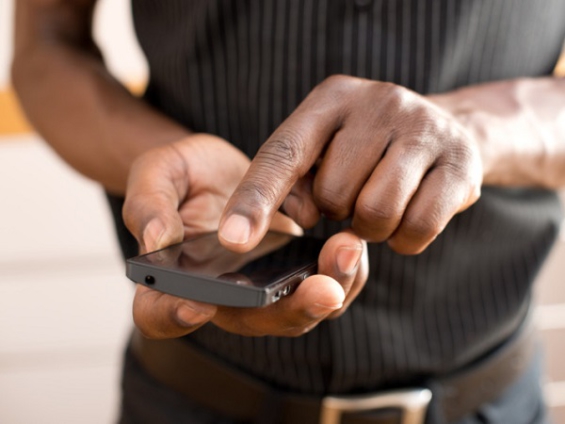
In today’s digital age, mobile phones have not only become an essential part of daily life but also a tool that has transformed how people interact and behave in public spaces. In Ghana, this transformation has been particularly noticeable, as the ubiquity of smartphones and social media platforms has made it challenging for individuals to truly let their hair down at social events without the fear of being recorded and posted online.
The Pressure of Being Watched
Gone are the days when people could attend public gatherings, dance, and engage freely without concern. In many cases now, the reality of constantly being watched, recorded, and broadcasted has created an oppressive environment where individuals feel pressured to present a curated version of themselves. Whether it's at parties, family functions, or even casual hangouts, the ever-present phone cameras have turned many events into mini-performances, where everyone is conscious of being "caught" in the act.
This shift in behaviour has been fueled by the rise of platforms like Instagram, TikTok, Facebook, Snap Chat and WhatsApp, where content can go viral in seconds. The potential for public scrutiny discourages people from relaxing or expressing themselves genuinely, out of fear that a private moment could suddenly be shared with the world without their consent.
Loss of Freedom in Social Spaces
Public gatherings were once a space for people to unwind, connect, and express themselves freely. Whether it was dancing at a friend's wedding or chatting casually at a neighbourhood party, there was a sense of community where people felt safe from judgment. However, today, the boundaries between private and public moments have blurred. A fun moment on the dance floor could easily be turned into a viral clip online, subject to criticism, ridicule, or even admiration from people far removed from the event.
For many in Ghana, this loss of freedom in social spaces is a major concern. What was once a place of enjoyment has now become a scene where people constantly check their actions and expressions, fearing that an embarrassing or misinterpreted moment might end up online.
The Effect on Social Events
Weddings, funerals, church programs, and even family gatherings have increasingly become sites for content creation, rather than private or community-centered events. Guests are often seen recording parts of events, sometimes without even asking for permission, and the footage is shared publicly within minutes. For some, the intention is harmless — a means to capture memories and share them with friends. However, for others, this unsolicited recording feels intrusive, and the idea of a candid, carefree moment being widely circulated causes anxiety.
In some cases, this dynamic has even changed how events are organized. Hosts now often ask attendees to refrain from using their phones or to only take pictures at designated times. In upscale gatherings, attendees may even be asked to leave their phones at the door to ensure privacy and to allow people to enjoy the moment without the threat of being recorded.
Impact on Personal Expression
Beyond public gatherings, the mobile phone's role in capturing moments has impacted personal expression. Dancing, singing, and even laughing in ways that are traditionally authentic to individuals are often held back for fear that someone might pull out their phone at any moment. For instance, in nightclubs and other leisure spots, people who would otherwise dance freely often stop themselves once they spot someone holding up a phone. The dread of being posted on social media as a meme or subjected to harsh criticism has curtailed many of these "let loose" moments.
A Call for Consideration
While mobile phones offer convenience, there is a growing need for mutual respect and consideration, especially in social spaces. Some are calling for a cultural shift where people ask for consent before recording others, recognizing that not everyone wants to be part of the digital narrative. Social media may have made it easier to share moments, but it’s also critical to preserve the sanctity of personal and communal experiences.
The joy of being able to connect at public gatherings without fear of judgment or exposure is something worth reclaiming. For Ghanaians, and many others worldwide, being mindful of how we use our phones could go a long way in restoring the authenticity of social events, allowing individuals to be themselves once again, free from the lens of others.
Latest Stories
-
Obuasi SHTS case: Eduwatch calls for sex offenders’ register and mandatory background checks for teachers
2 minutes -
GloMeF CEO urges intensified public education on new road traffic regulations
13 minutes -
‘Any tax on ChatGPT is an attack on education and innovation’- Akim Swedru, MP
17 minutes -
Obuasi SHTS sexual abuse scandal exposes systemic failure in child protection – Moving Masculinity
18 minutes -
Hubtel CEO calls for national data-sharing framework to boost AI development
20 minutes -
Twelve Golden Rules of real estate development in Ghana, Africa
25 minutes -
Five new telephony cell sites in Ashanti Region to be activated in October 2026 – Sam George
25 minutes -
Mahama cuts sod for Afienya Industrial Park, targets 120 enterprises
30 minutes -
Rush for fuel from accident tankers is stealing, punishable by law – NPA boss, Edudzi Tamakloe
36 minutes -
GhIG pushes for legislation to regulate geoscientists’ activities
42 minutes -
Mfantsipim @150: Ace Anan Ankomah leads project to preserve school’s musical heritage
46 minutes -
Gov’t launches rCOMSDEP in Ahanta West, Mpohor Fiase to promote responsible community mining
47 minutes -
AI is forcing professionals to rethink how they deliver value – Hubtel CEO
50 minutes -
Daily Insight for CEOs: Strengthening the CEO’s Leadership Legacy
51 minutes -
Jimmy Aglah’s ‘When the River Testified’ approved by NaCCA as Supplementary Reader
60 minutes