

Audio By Carbonatix
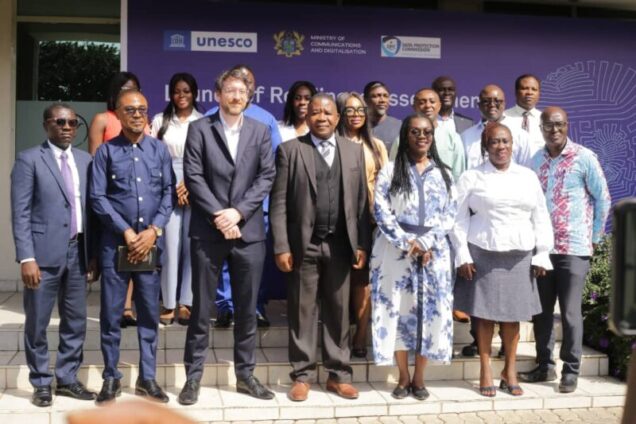
The Ministry of Communications and Digitalization (MoCD), through the Data Protection Commission (DPC) in collaboration with UNESCO, has launched the Readiness Assessment Measurement (RAM) -Ethical Use of Artificial Intelligence (AI) in Accra.
The event aimed to explore how artificial intelligence (AI) could be ethically used in Ghana and the role of AI in shaping the country’s future across various sectors.
The Minister for Communications and Digitalization, Mrs Ursula Owusu-Ekuful (MP) reflected on the transformational impact AI is expected to have on every aspect of life within the next five years.
She shared her thoughts on the parallels between AI development and the steps Ghana previously took in cybersecurity.
“We need to engage with AI thoughtfully, much like we did when addressing cybersecurity. The same careful diagnostic approach will serve us well in AI,” she said.
The Minister emphasised the importance of preparing the next generation for an AI-driven future by investing in AI knowledge and skills.
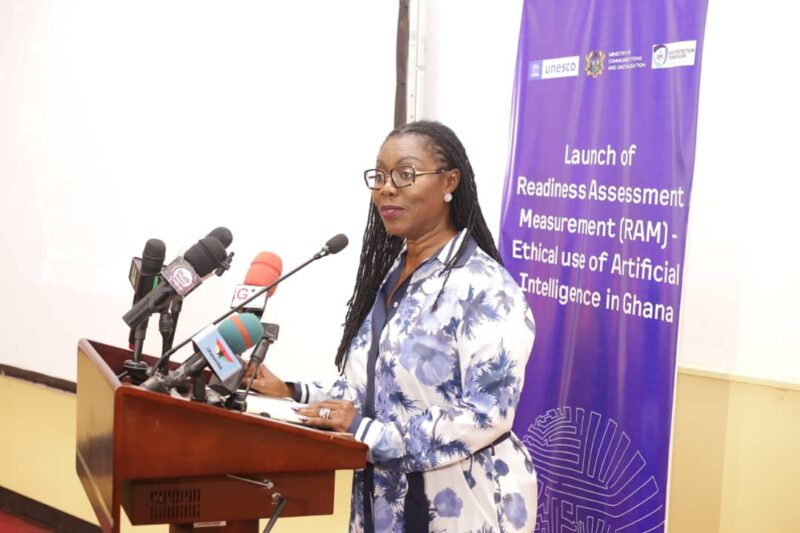
She voiced concerns about the growing digital divide, particularly in terms of broadband access.
“Without addressing the lack of digital infrastructure, we risk leaving many behind as AI becomes more integral to everyday life,” she said.
She also highlighted the government’s efforts to expand nationwide connectivity, pointing out that the rollout of 4G and 5G networks would be essential for AI adoption in Ghana.
She also shared her thoughts on the importance of keeping humans at the center of decision-making even as AI becomes more prevalent.
“AI is designed to assist us, not replace us. The final decision always rests with the human, not the machine,” the Minister stated.
Mr Edmond Moukala, Head of UNESCO’s Accra office, began by noting the privilege for Ghana to be one of two African nations selected for the AI readiness assessment.
He emphasised the importance of grounding AI development in the cultural and ethical realities of Africa.
“We need AI systems that understand our languages, values, and traditions. AI is not only a tool for the future, but it must also reflect who we are as a people,” he said.
He further highlighted the potential of AI in solving local problems such as improving access to basic services like clean water, healthcare, and education in remote areas.
Mr Moukala stressed the need to ensure that AI systems are adapted to African contexts rather than solely relying on data from other continents.
Mr James Wright, Programme Specialist, UNESCO Headquarters, discussed the crucial role of AI training and knowledge for both public and private sector workers in Ghana.
He noted that while AI offers many benefits, the country’s poor digital infrastructure could hinder its widespread adoption.
“Without reliable high-speed internet, our children and citizens will be left behind in the AI revolution,” he warned.
Mr Wright also highlighted the need for a targeted AI training program similar to Europe’s ambitious goal of training a billion people in AI over the next five years.
Mrs Patricia Adusei-Poku, Executive Director of the Data Protection Commission (DPC), outlined Ghana’s National AI Strategy, focusing on its mission to harness AI for national development.
She emphasised that the strategy is built on several key pillars: building capacity, ethical AI use, and promoting research and innovation.
The vision, she explained, is to make Ghana a leader in AI on the continent, with AI solutions that cater to both economic growth and the country’s unique cultural and social needs.
Mr Carl Ampah, UNESCO, highlighted the readiness assessment methodology, which aims to evaluate how well Ghana is prepared to adopt AI.
He shared insights on the importance of data availability and the need to ensure AI aligns with the nation’s social and cultural context.
He underscored the practical challenges in rolling out AI, especially in terms of infrastructure and digital literacy.
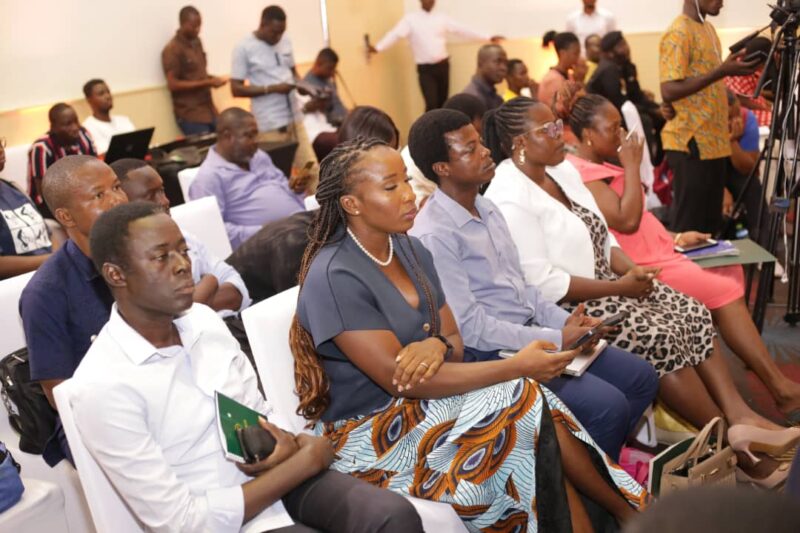
In attendance were the Chief Director of the MoCD, Mr Alexander Yaw Arphul, Directors and staff of the MoCD, Representatives from the Data Protection Commission, GIFEC and the Ghana Domain Name Registry.
Latest Stories
-
Peru cracks down on illegal gold mining in Amazon reserve with military show of force
2 hours -
NPP polls: Makafui Woanya re-elected as Volta Regional Chairman
2 hours -
NPP polls: List of newly elected NPP regional chairmen
2 hours -
MTN launches Bright Scholars Alumni Network to harness opportunity
2 hours -
Akyem Abuakwa Traditional Council demands apology from Akyemansa DCE over chieftaincy interference
3 hours -
Rescuers search for survivors of powerful Indonesia earthquake
3 hours -
Ghana Prisons Service on manhunt for 29-year-old escapee
3 hours -
Researchers warn Ghana’s coastal erosion could worsen
3 hours -
Morocco detains dozens of migrants trying to cross into Ceuta, reports say
3 hours -
AKSA power deal: Dafeamekpor says Ghana must confront its accountability deficit
3 hours -
AKSA power deal: Baffour Awuah says alleged bribery exposes serious failures in Ghana’s systems
4 hours -
Algeria claim first-ever podium finish after penalty shootout win over hosts Morocco
4 hours -
NPP struggled even in traditional strongholds in 2024 – Annoh-Dompreh
5 hours -
NPP must elect strong parliamentary candidates to reclaim Greater Accra seats – Patrick Boamah
5 hours -
Abdul Rahman retains Upper West NPP chairmanship despite Nandom protest
5 hours