

Audio By Carbonatix
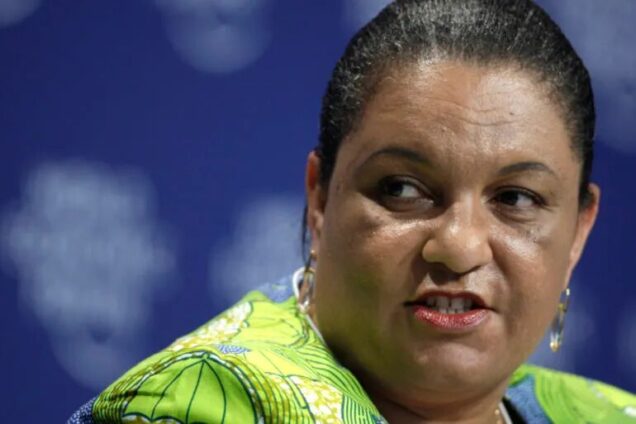
Former Minister of Foreign Affairs and Awutu-Senya West MP, Hannah Serwaa Tetteh, has raised thought-provoking questions regarding the Supreme Court’s decision-making process.
Her remarks come in the wake of the Court’s recent ruling that overturned Speaker of Parliament Alban Bagbin’s decision to oust four Members of Parliament.
Taking to her Facebook page, Tetteh questioned whether the justices of the Supreme Court consider public opinion and the broader social implications of their rulings, particularly in politically charged cases.
The United Nations Secretary-General’s Special Envoy for the Horn of Africa, emphasised the significance of the judiciary’s role in maintaining stability in Ghana’s democratic system, especially as elections draw closer.
“When the Justices of the Supreme Court take their decisions or make orders in whatever circumstances, not just in the context of the recent ex-parte decision against the Speaker’s ruling, do they listen to the public commentary and reflect on their decision, its implications and how it has been received not only by the parties to the particular suit or in a case with political undertones?” Hannah Tetteh asked.
In her post, she acknowledged the expectation for the judiciary to interpret the law impartially and ensure its fair application.
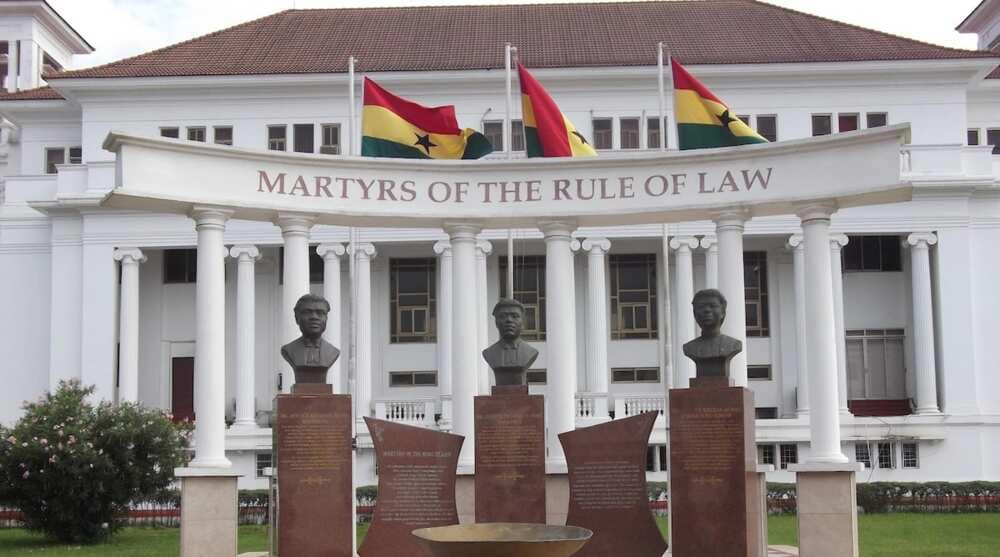
However, she stressed that these decisions are made within the context of a society governed by the same laws, which encompasses diverse stakeholders.
“We live in hyper-partisan times, and the closer we get to elections, the more tense the political environment becomes, and consequently, the times when peace and security within the state is at its most fragile,” she warned.
Read also: Supreme Court stays Speaker’s ruling ousting 4 MPs from Parliament
Hannah Tetteh’s remarks pointed to the importance of the judiciary not only surviving in such an environment but thriving as an essential pillar of Ghana’s democracy.
She highlighted the critical role a strong and principled judiciary plays in fostering a competitive yet peaceful democratic process.
“A strong, principled judiciary is essential to a competitive but peaceful democracy. They have an important role to play in ensuring this democracy not only survives but thrives,” she concluded.
Hannah Tetteh’s comments have sparked a broader discussion on the role of the judiciary in navigating Ghana’s tense political landscape, particularly as the nation approaches another election cycle.
Latest Stories
-
NPP had more permanent fuel relief measures than current GH¢2 diesel cut – Amin Adam
17 minutes -
Photos from the 3rd Republic Bank-JoyNews Habitat Fair Clinic
19 minutes -
Ethiopia’s army promises restraint amid fears of new civil war
29 minutes -
Amin Adam calls for review of fuel taxes as diesel prices remain above GH¢18
1 hour -
World Vision Ghana, Ahafo districts sign MoU for universal WASH coverage
2 hours -
When the gold engine stutters: What Ghana’s Cedi and reserves are telling us about the new economic architecture
2 hours -
Two reportedly die after being trapped in mining pit at Juaboso
2 hours -
Petrosol cleans up Wa Municipal Hospital, to donate medical equipment
2 hours -
‘If NPP was ‘insensitive’ over fuel prices, NDC must accept same description now’ — Amin Adam
2 hours -
KiDi brings the hits to London in sold-out UK headline concert
2 hours -
The last goodbye of Ghanaian shot dead in the US
3 hours -
MCC opens door to Ghana again as MiDA revives development partnership
3 hours -
CSIR moves to turn scientific research into jobs, national growth
3 hours -
More patrons troop in as 3rd Republic Bank-JoyNews Habitat Fair clinic enters final day stretch
3 hours -
German, Russian foreign ministers hold rare talks amid rising tensions
3 hours