

Audio By Carbonatix
The Governor of the Bank of Ghana, Dr. Ernest Addison, is urging the International Monetary Fund to continue to lead in debt restructuring and relief efforts for heavily indebted countries such as Ghana.
In this respect, he wants the Global Sovereign Debt Roundtable (GSDR) to ensure swift, fair, and effective debt resolution under or outside the G20 Common Framework, focusing on providing timely debt relief for the most vulnerable countries.
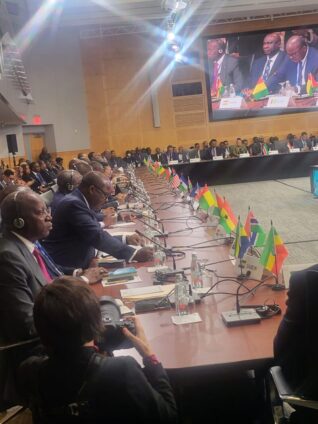
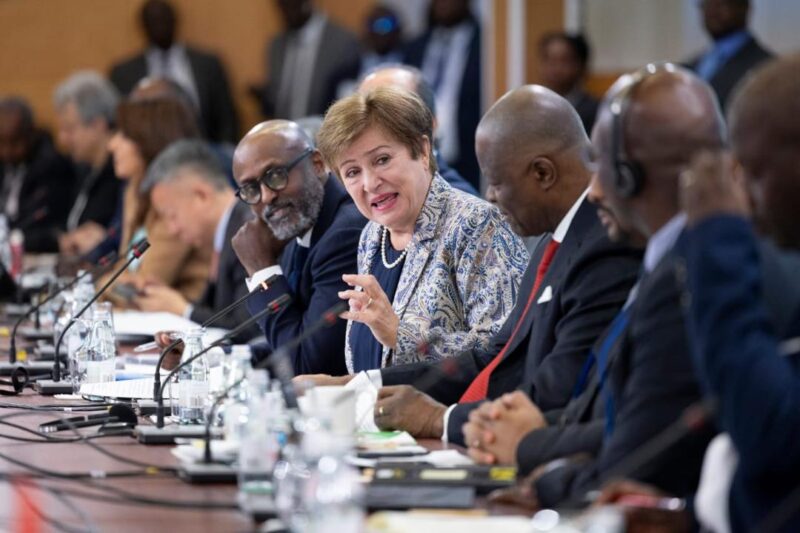
Speaking at the 2024 Africa Caucus Meeting with the Managing Director of the International Monetary Fund, Kristalina Georgieva, in Washington, DC, Dr, Addison also called for greater private sector involvement in the Common Framework to ensure Comparability of Treatment and faster progress on debt resolution initiatives.
“The Fund, through the GSDR, should also explore innovative financing solutions—such as blended finance, and debt-for-climate swaps via enhanced RSF—to address both the continent’s debt vulnerabilities and climate change risks, he added.
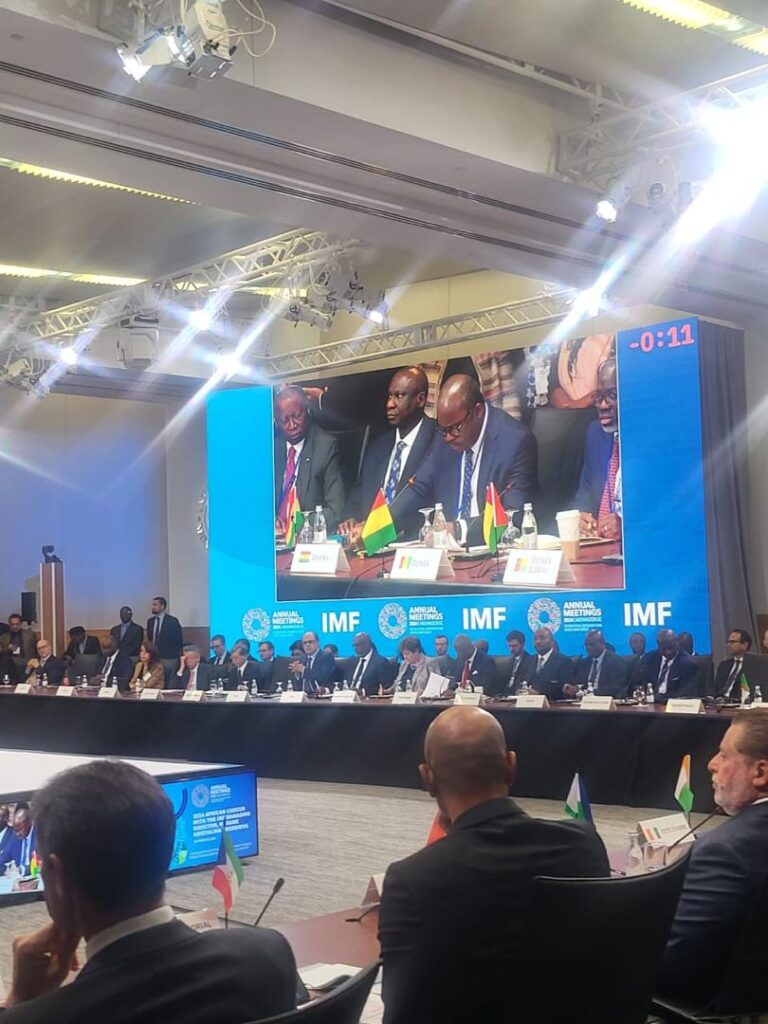
Dr. Addison also called for a collaborative approach to address Africa’s fiscal challenges, which he described as crucial.
“We urge the IMF and World Bank to coordinate their support to develop resilient fiscal policies, considering Africa’s diverse needs. Programmes should account for regional specificities to ensure sustainable and impactful reforms that do not disproportionately affect vulnerable populations. The IMF should leverage its catalytic role and convening power to deepen dialogue with regional MDBs [Multilateral Development Banks] for additional concessional finance and grants, aiding debt restructuring for members at high risk of debt distress”.
He also wants the IMF’s support to remain flexible, adapting to global conditions and country-specific needs, while ensuring sufficient resources.
In this context, the BoG Governor said maintaining the high concessionality of the Poverty Reduction and Growth Trust is critical while ensuring adequate financing through all possible options, such as gold sales.
“In this regard, it is crucial to highlight that the timing for the resumption of charging interest rates on PRGT funds (tiered interest rate structure) is inappropriate as most PRGT-eligible countries are still facing significant challenges. Relatedly, the IMF’s charges and the surcharges policy should avoid adding financial burdens on countries facing fiscal challenges”, he explained.
“With the expiry of the Food Shock Window and rising food insecurity, especially in Africa, timely emergency financing through CCRT resources and program augmentations is essential. Intensified fundraising efforts under the second phase of resource mobilisation are paramount”, he added.
Latest Stories
-
KNUST to receive 2,000 additional laptops for One Million Coders Programme
21 seconds -
President Mahama urges churches to provide safe spaces for children and vulnerable people
5 minutes -
George Dadzie Junior highly tipped in NDC regional secretary race due to grassroots experience
14 minutes -
Passenger arrivals at airport improved by 23% in first 7 months of 2026
16 minutes -
Aklerh returns to reggae roots with new single ‘Wo Dor’
17 minutes -
Stacy Mense’s ‘W’ahyira Me’ gains airplay on radio, digital platforms
26 minutes -
Economic activities mixed in 7 months of 2026; Cement sales decline by 10%
28 minutes -
GFA and Sports Ministry must not rush Black Stars head coach appointment – Nana Fitz
36 minutes -
Nkrumah Showboy: Chief Moomen’s play to explore Ghana’s first President’s early years
45 minutes -
SEC to develop Social Bond Guidelines; over half of listed firms report on ESG indicators
58 minutes -
Insurance firms have up till January 2027 to incorporate ESG in financial reporting
1 hour -
High Court throws out Afenyo-Markin’s GH¢15m defamation suit against Sammy Gyamfi
1 hour -
Rollover cost of T-bills reduced substantially, one-year bill yield drops 19% since December 2024
1 hour -
Daily Insight for CEOs: Preparing for 2027 Board and Executive Conversations
2 hours -
World Cup Visa Scandal: There is no ‘justification’ to dismiss me – Kofi Adams
2 hours