

Audio By Carbonatix
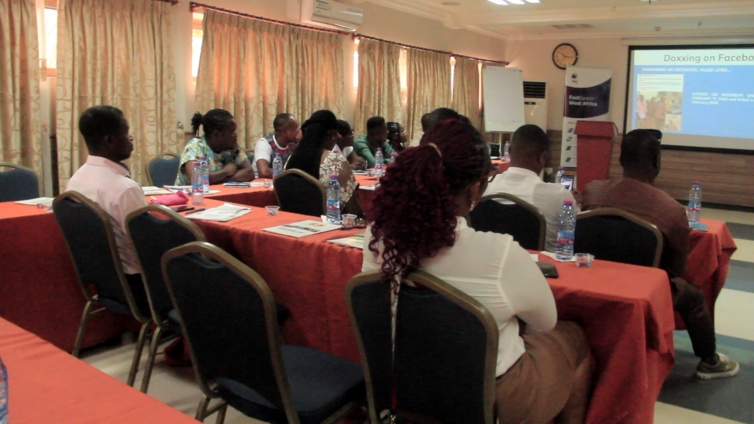
A group of journalists from the Ashanti, Bono, Ahafo, Bono East, and Western North regions have been equipped in a one-day training aimed at enhancing their ability to verify information.
The goal was to prevent the spread of misinformation on mainstream media during the December 7 election, helping to ensure a free, fair, and credible process.
The training held at Fumesua near Kumasi also provided journalists with digital tools and skills to identify and correct election-related misinformation, fostering accurate reporting and informed public discussions.
The training, organised by Fact Space West Africa in partnership with the Ghana Centre for Democratic Development (CDD-Ghana), also aimed to involve journalists in identifying viral claims on social media, as well as in offline and local areas. Journalists were encouraged to collaborate in verifying this information.
Participants were trained on topics including the basics of fact-checking, recognising AI-generated and manipulated content, the role of journalists in tackling election misinformation, and issues related to cybersecurity and online safety.
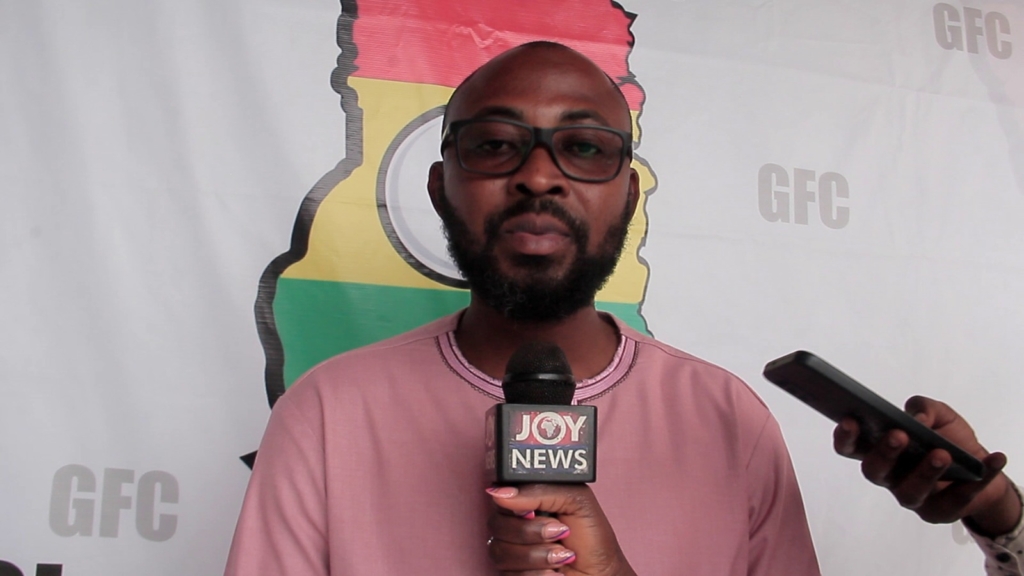
Executive Director of FactSpace West Africa, Rabiu Alhassan, stated that journalists were provided with a variety of fact-checking tools.
“It is important that journalists' capabilities are built to be able to know the basic digital tools to use to verify some of the information so they do not become a conveyor belt for spreading misinformation and disinformation."
He explained that the goal was to motivate participants to publish fact-checked content in local languages on their platforms, contributing to the effort to clean up the information ecosystem.
The Programs Officer of CDD-Ghana, Sharon Willis Brown-Acquah emphasised that traditional media continues to be a vital source of information for many citizens, so any information disseminated must be accurate and verified.
She noted that misleading narratives had previously played a major role in shaping voter perceptions and behaviors, often leading to increased polarization and conflicts during elections.
“Fact-checking is very crucial not only for maintaining the integrity of news reporting but also fostering public trust.”
Some of the participants shared their thoughts on the training, expressing how valuable it was in enhancing their skills to combat misinformation. They appreciated the opportunity to learn fact-checking techniques, the use of digital tools, and how to identify and counter election-related falsehoods.
Latest Stories
-
Ghana should join BRICS as partner, not member – NPP Bono East Regional Secretary
21 seconds -
Ghana High Commission warns nationals in South Africa over protests in Johannesburg, Durban
27 seconds -
Mahama praises Roads Minister for keeping Big Push contractors on their toes
6 minutes -
World Cup Visa Scandal: ‘My client has not collected money for visas’ – Ampofo Ankrah’s lawyer
18 minutes -
US immigration officials defend ICE agents who shot man in same car as child
27 minutes -
Commentator Katie Zacharia picked as new White House press secretary
31 minutes -
Drone strike by Sudan paramilitary kills 41 near Ethiopian border, rights group says
37 minutes -
King warns malicious online actors are evolving tactics
44 minutes -
Several injured as Saudi capital airport reportedly hit again
47 minutes -
Christa Pike discharged from hospital and returned to prison, her lawyers say
49 minutes -
Ghana’s BRICS move requires clear strategy to manage risks – Godfred Bokpin
3 hours -
Pay teachers realistic income – Duncan Amoah to gov’t
3 hours -
Bechem to become chicken capital of Ghana – Mahama projects
3 hours -
Mentapulse Africa’s Health and Labour Summit calls for better working conditions to retain skilled professionals
3 hours -
Two-week strike will not derail academic calendar – GNAT President
3 hours