

Audio By Carbonatix
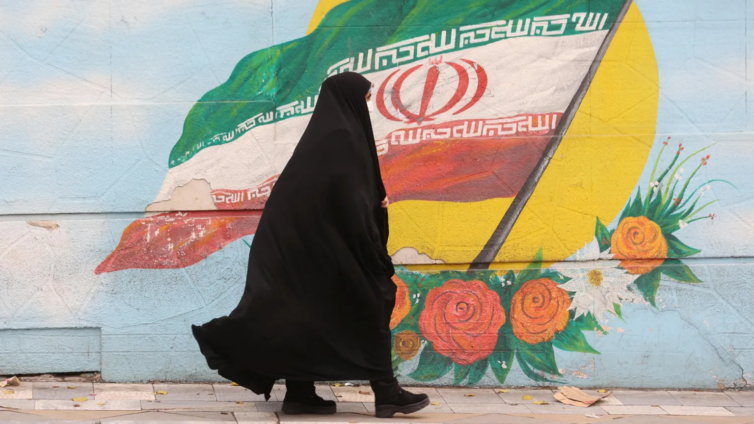
Iran's National Security Council has paused the implementation of the controversial "hijab and chastity law", which had been due to come into force on Friday.
President Massoud Pezeshkian called the legislation "ambiguous and in need of reform", signalling his intention to reassess its measures.
The proposed new law - which would introduce harsher punishments for women and girls for exposing their hair, forearms or lower legs - had been heavily criticised by rights activists.
The strict dress codes imposed on women and girls, which have been treated as a national security priority by the rulers of the Islamic Republic of Iran for decades, have previously triggered protests.
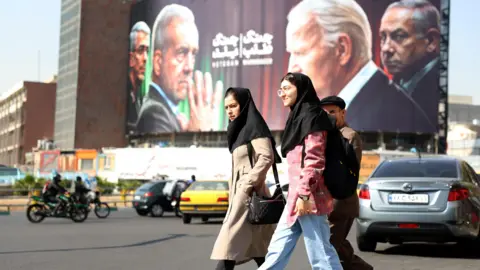
Under the new law, repeat offenders and anyone who mocked the rules would face heavier fines and longer prison sentences of up to 15 years in jail. It would also mandate that businesses report anyone who violates the rules.
Human rights groups had expressed alarm. Amnesty International said Iranian authorities were "seeking to entrench the already suffocating system of repression".
During the presidential election in July, then-candidate Pezeshkian openly criticised the treatment of Iranian women over the hijab issue.
He promised not to interfere in their personal lives, a stance that resonated with many Iranians, especially from a younger generation frustrated by the government's rigid control.
Masoumeh Ebtekar, a former vice-president for women and family affairs, also criticised the law, saying: "The new legislation is an indictment of half the Iranian population."
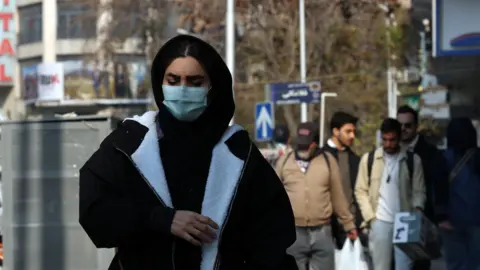
The hijab debate gained further momentum last week when Parastoo Ahmadi, a popular Iranian singer, was arrested after streaming a virtual concert with no audience present on YouTube while not wearing the hijab.
The concert quickly went viral and the arrest of Ahmadi and her bandmates sparked widespread backlash. Facing public outcry, authorities released them the following day.
Tensions surrounding the hijab have remained high since nationwide protests in 2022 triggered by the death of Mahsa "Zhina" Amini, a young Kurdish woman who died in police custody after being detained for allegedly violating the dress code.
Over the past two years, many young Iranian women have defiantly removed their hijabs in public, challenging the government's authority.
Last week, more than 300 Iranian rights activists, writers and journalists publicly condemned the new hijab law, calling it "illegitimate and unenforceable" and urged Pezeshkian to honour his campaign promises.
Despite pressure from hardline factions close to Supreme Leader Ayatollah Ali Khamenei, many younger people in Iran appear to be unafraid to confront the regime's restrictions.
Pezeshkian's supporters believe the new hijab law will fail to discourage young women from defying it and could even worsen the situation.
However, supporters of the legislation have pressured the president to move forward, criticising the National Security Council's hesitation and demanding that he sign the law to clear the path for its enforcement.
The decision to pause its implementation suggests the government fears it could trigger another wave of mass protests, like those seen two years ago.
Latest Stories
-
Bawa-Rock supports over 300 Obuasi Town Hall fire victims with GH¢1.5m package
3 minutes -
Western regional security council steps into Betterland-Gwira mining dispute
9 minutes -
Photos: Nkrumahfest 2026 draws dignitaries as Ghana celebrates Kwame Nkrumah’s legacy
11 minutes -
Flames, smoke seen near Riyadh airport after Saudi warning of aerial attack threat
13 minutes -
Manasseh Azure backs calls for forensic audit into GH¢780m COVID fumigation spending
14 minutes -
Gindabour: Court remands 44 accused persons into police custody
35 minutes -
Agyemang Badu backs Queiroz to get the best out of Black Stars
35 minutes -
School for Life calls for increased investment in rural school infrastructure
42 minutes -
2027 AFCONQ: Preko tips Queiroz to guide Ghana to good result in Côte d’Ivoire
44 minutes -
Youth charged to prevent conflicts, promote peacebuilding efforts
44 minutes -
International community seeing Ghana as ‘cocaine coast’ – NPP legal team member
45 minutes -
Bono East Minister threatens contract termination over delayed Sene West 24-Hour Market project
46 minutes -
Gospel of Justice: Yeji conference empowers boat masters’ wives to end child labour on the Volta Lake
46 minutes -
MTN Ghana expands Savannahfest football gala to unearth grassroots talent
47 minutes -
“Your vehicle will be seized” – Police warn vehicle owners over drug trafficking
48 minutes