

Audio By Carbonatix
The Protected Area Manager for the Keta Lagoon Complex Ramsar Site, Lawrence Kisseh Tetteh-Ocloo, has emphasized the critical need for safeguarding Ghana’s fragile coastal ecosystems.
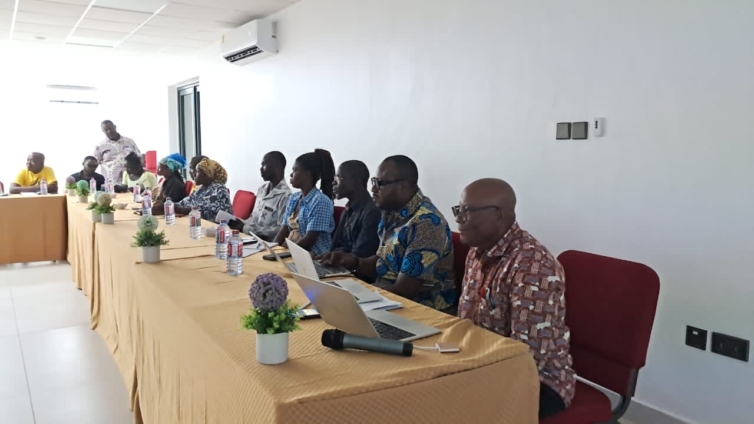
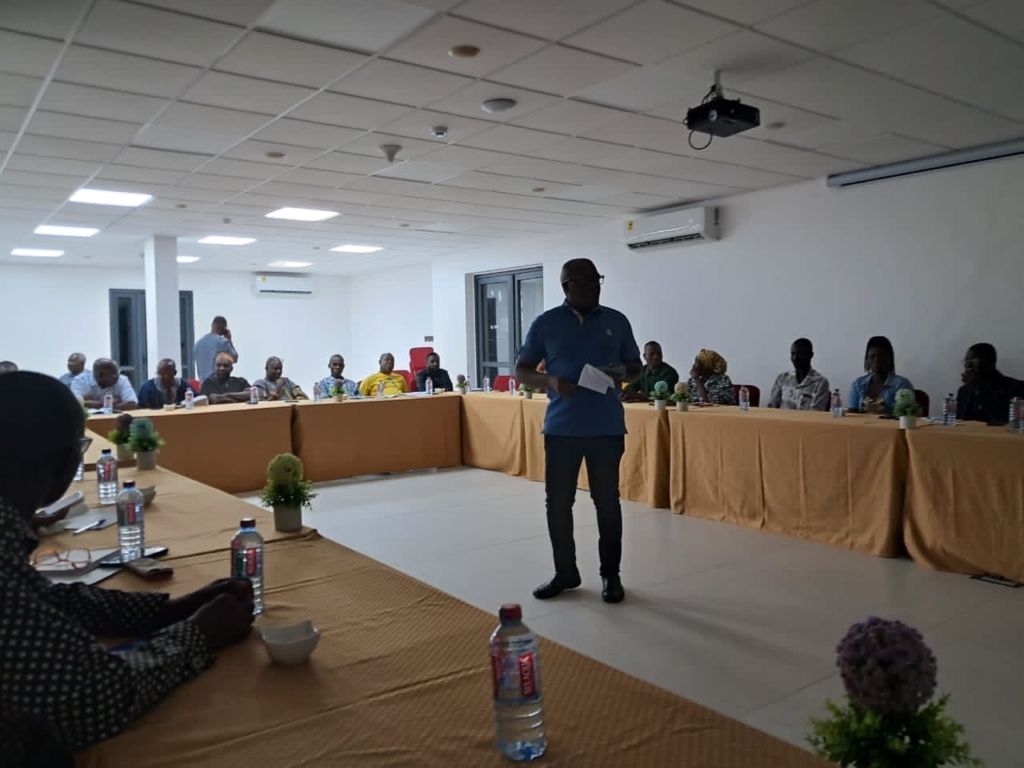
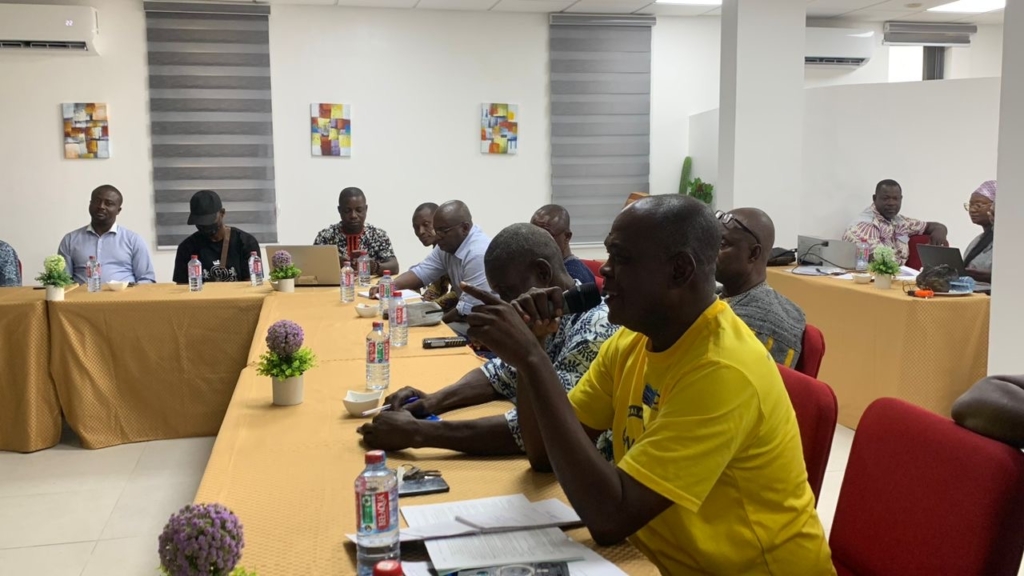
Speaking during a Community Resource Management Areas (CREMA) workshop held at Reddington Hotel in Whuti, Tetteh-Ocloo highlighted the ecological and socio-economic significance of the Keta Lagoon Complex, one of the most intact wetlands in Ghana.
The workshop, organized under the auspices of the Coastal Civil Society Organizations Forum (CCF) and the West Africa Coastal Areas Management Program (WACA), focused on advancing community-led conservation initiatives.
This aligns with the WACA Resilience Investment Project (ReSIP 2), implemented by Ghana in August 2024 to mitigate climate vulnerabilities and human pressures on coastal ecosystems.
Stretching over a 40-kilometer coastal belt, the Keta Lagoon Complex Ramsar Site is rich in biodiversity, hosting critical species such as leatherback, olive ridley, and green turtles that nest along its shores.
However, Tetteh-Ocloo underscored the pressing threats facing the area, including overreliance on mangroves for firewood and income.
"Mangroves are vital not only for biodiversity but also for the livelihoods of local communities. Unfortunately, this reliance has resulted in overharvesting, leaving the ecosystem increasingly fragile," he remarked.
He also expressed concerns about the area’s vulnerability to subsidence, warning that without immediate conservation efforts, the Keta Lagoon Complex faces the risk of being irreparably lost to rising sea levels and land degradation.
The CREMA framework is central to WACA’s strategy, promoting community ownership in resource management. Two CREMAs – the Anloga CREMA and the Seliu CREMA – have been established to protect mangroves and foster sustainable practices in the region.
These initiatives aim to ensure the long-term viability of local livelihoods while preserving biodiversity.
According to Tetteh-Ocloo, "CREMA offers a platform for balancing conservation with development. By empowering communities, we can reduce the exploitation of natural resources and create sustainable income streams."
Ken Kinney, Chairman of the Coastal Civil Society Organizations Forum (CCF), outlined the significance of community mobilization in achieving the project’s goals. The CCF has been instrumental in raising awareness and fostering stakeholder engagement, particularly through workshops like the one in Whuti.
The workshop sought to: Build consensus on the CREMA framework, Establish monitoring and accountability mechanisms for CREMA implementation and Enhance collaboration among stakeholders, including the Forestry Commission and district assemblies.
Kinney noted, "For CREMA to succeed, community buy-in is essential. Our focus is on empowering local populations with the knowledge and tools to manage their resources sustainably."
The WACA program, funded by the World Bank, represents a holistic approach to coastal management. Its second phase in Ghana underscores the role of physical and social investments in mitigating the impact of climate change.
The program also seeks to address the socio-economic vulnerabilities of coastal communities, ensuring their resilience in the face of environmental challenges.
Tetteh-Ocloo emphasized the need for collaboration among stakeholders, stating, "The survival of the Keta Lagoon Complex depends on our collective efforts. Protecting this ecosystem is not just an environmental priority but a socio-economic imperative."
As the CREMA framework takes root, stakeholders are optimistic about the prospects of balancing conservation with local development. The validation workshop at Whuti marked a significant step in aligning efforts toward sustainable resource management and coastal resilience.
Through initiatives like the WACA program and the efforts of organizations such as the CCF, Ghana is positioning itself as a leader in community-driven conservation, demonstrating that preserving natural ecosystems can coexist with economic development.
The success of CREMAs at the Keta Lagoon Complex Ramsar Site will serve as a blueprint for similar initiatives across West Africa, ensuring that coastal communities can thrive while safeguarding their natural heritage.
Latest Stories
-
LEAP expansion brings relief to 4,372 more vulnerable residents in Jirapa
4 minutes -
President Ruto’s State backing fuels Nairobi’s historic 2029 World Athletics Championships bid
9 minutes -
Veep commissions five envoys, charges them to advance Ghana’s interests abroad
9 minutes -
19-year-old man jailed 15 years for robbery at Asokore Mampong
12 minutes -
Woman killed, 14 injured after vehicles collide on Accra–Kumasi highway
27 minutes -
Regulatory burden threatens SME growth, job creation – ILAPI study
29 minutes -
22-year-old man sentenced to 10 years for robbery in Kumasi
31 minutes -
EOCO inaugurates new audit committee to strengthen financial oversight
34 minutes -
Mahama pledges to expand STEM education, complete stalled UTAS laboratory
37 minutes -
Mahama urges Ghanaians to embrace home visits under Free Primary Healthcare programme
41 minutes -
Stable cedi, falling inflation creating room for stronger credit growth – BoG Governor
46 minutes -
Tourism Minister orders removal of illegal structures around forts and castles
50 minutes -
Education Committee probes financial, procurement practices in Colleges of Education
56 minutes -
Today’s Front pages: Friday, August 14, 2026
2 hours -
Why ‘Black Box’ AI models fail governance standards in banking
3 hours