

Audio By Carbonatix
The need to build and sustain digital trust has become more critical as Ghana progresses in its digital transformation journey.
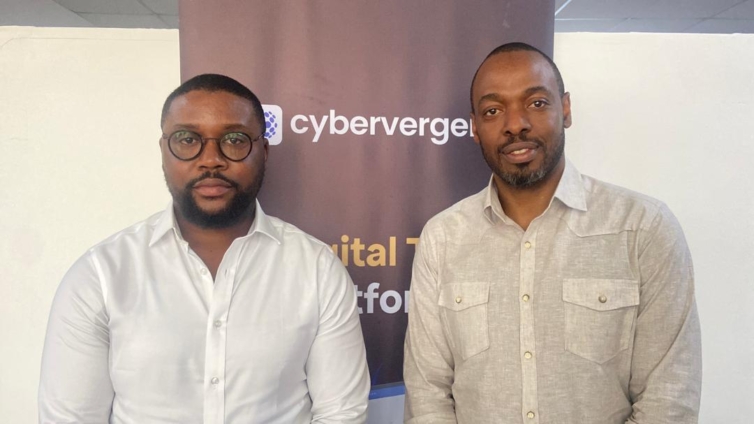
Cybervergent Ghana, one of Africa's leading tech companies providing digital trust technology solutions, shared key insights on how the continent can strengthen its digital ecosystem to foster digital trust among citizens, businesses, and investors.
West Africa's leading economies, such as Ghana, must prioritise strengthening their digital infrastructure to create a foundation of trust.
"A reliable and secure digital environment is essential for citizens and businesses to fully embrace online platforms and gain the benefits of digital transformation," Adetokunbo Omotosho, the Group CEO of Cybervergent, said.
“This includes investing in advanced technologies, improving internet accessibility, and ensuring the resilience of critical systems against potential threats.”
The Country Manager of Cybervergent Ghana, Atsu Adali-Mortty, highlighted several challenges impacting digital trust in Ghana, including data breaches, online fraud, and limited public awareness of safe digital practices.
“Addressing these issues enhances confidence and fosters the growth of our digital economy," he explained. Mr Astu emphasised the importance of collaborative efforts
Public awareness has long been identified as a cornerstone of building digital trust. "When citizens understand how to protect themselves online, they are more likely to engage confidently in digital activities," Mr. Omotosho said.
He called for strategic media engagements and educational programmes to equip Ghanaians with the knowledge and skills needed to navigate the digital space safely.
Small and medium-sized enterprises (SMEs) play a vital role in Ghana's economy, but many lack the resources to secure their online operations.
The Cybervergent team recommended practical measures such as adopting secure payment systems, regularly updating software, and training staff on best practices.
"By protecting their digital assets, SMEs can build trust with customers and partners," Atsu added.
Adopting international best practices will help businesses on the continent create a more secure and trustworthy digital environment.
The importance of safely integrating emerging technologies like AI to avoid vulnerabilities cannot be overstated.
Data protection laws and regulations are critical for building trust. Mr. Omotosho commended Ghana's efforts in this area, such as the passage of the Data Protection Act.
"Stronger enforcement and continuous updates to this exemplary legal framework will ensure that citizens' data is protected and misuses are penalised," he stated.
As Ghana's digital economy grows, Mr Atsu urged stakeholders to prioritise trends such as secure digital identities, encrypted communications, and proactive threat monitoring.
"Digital trust is not a one-time achievement but an ongoing commitment. By working together, we can create a safer, more inclusive digital future for all Ghanaians," he added.
Latest Stories
-
Total expenditure as of July 2026 amounted to GH¢147.07bn, 16% below target – BoG
36 minutes -
Total revenue & grants stood at GH¢144.5bn in July 2026, slightly below target – BoG
52 minutes -
Ghana Sports Fund urges sports federations to submit credible proposals and measurable targets
56 minutes -
Sally Rooney books withdrawn in UK over Palestine Action support
1 hour -
Musk says US government may be behind slowdown of Ukraine drone speeds
1 hour -
Picking Chief Justices nearing retirement could give Mahama immense power – Bentil
1 hour -
Netflix to shed 1,000 jobs in steepest cuts since 2022
2 hours -
Burnham had two hospitality dinners with Man City chairman, deleted records show
2 hours -
Semenyo ‘froze’ after alleged racist abuse, court told
2 hours -
‘Shameless’ – Mourinho critical of Vinicius Jr ban timing
2 hours -
Loyalty can outweigh competence in Chief Justice selection – Bentil
2 hours -
Man City suffer as PSG masterclass sets up Champions League win
3 hours -
Customer Service Africa CEO urges business leaders to observe staff and customer interactions
3 hours -
On night of mayhem for Liverpool, Barcola arrives in style
3 hours -
Muzic Mensah finds healing and renewed love in new single ‘WayƐ Late’
3 hours