

Audio By Carbonatix
For years, Koensim M/A Primary and Junior High School in the Jasikan Municipality of the Oti Region struggled with challenges that kept many children especially girls out of the classroom. A lack of proper sanitation facilities, no access to clean water, and the daily struggle of fetching water from distant streams meant education was not a priority for many families.
However, a life-changing intervention by Plan International Ghana has completely rewritten the school’s story, driving enrollment from a mere 79 students to an impressive 224 in just two years.
The Struggles of the Past
Before the intervention, the conditions at Koensim M/A were dire. The school had no toilet facilities, forcing students both boys and girls to relieve themselves in the bush. For girls, this meant a constant risk of infections, snake bites, and the embarrassment of skipping school during menstruation due to the absence of a private changing space.
“When I arrived, the situation was heartbreaking,” recalled headmaster Mr. Benoni Nyasorgbor in an interview with Hoy news “Teenage girls would stay home for days each month because they had nowhere to manage their periods. The lack of toilets meant students were frequently sick, and many parents were reluctant to send their children to school.”
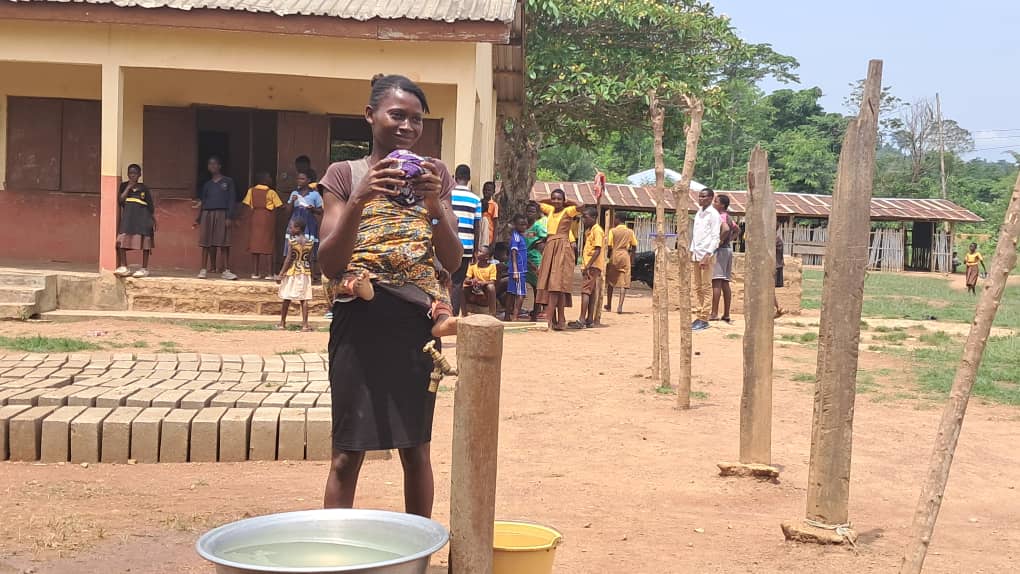
Beyond sanitation issues, the absence of potable water added another burden. Students, often already hungry, had to walk nearly two hours to fetch water from a stream before returning to school exhausted. As a result, lateness was common, attendance was irregular, and concentration in class was poor.
A Game-Changing Intervention
Recognizing the urgent need for change, Plan International Ghana, under its Integrated Package for Sustainable Development (I-PADEV) project, stepped in to provide critical infrastructure aligned with the United Nations’ Sustainable Development Goals (SDGs) particularly SDG 6 (Clean Water and Sanitation) and SDG 4 (Quality Education).
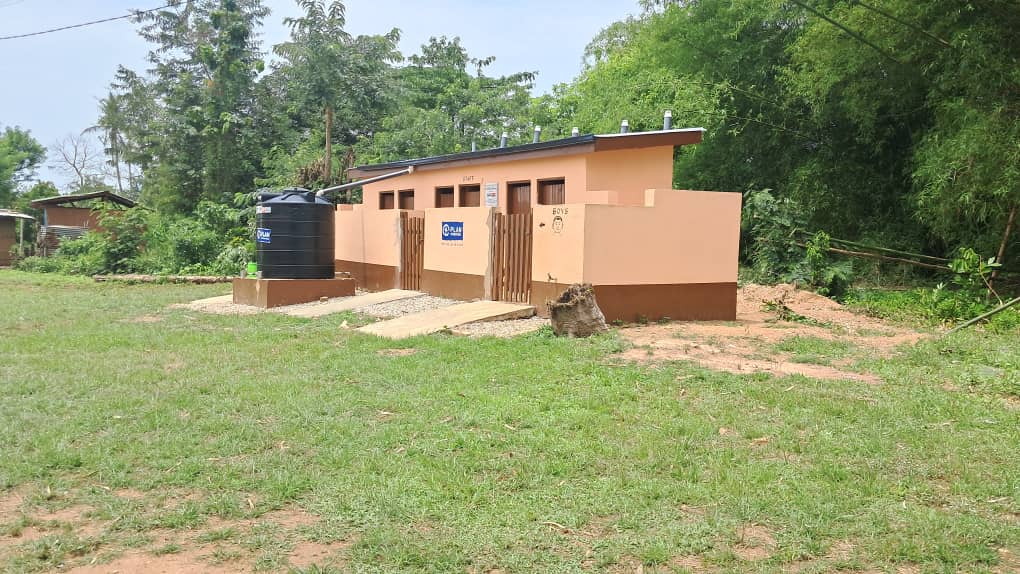
The organization worked closely with the Koensim community to construct a gender-friendly latrine with separate sections for boys and girls, as well as a dedicated changing room for menstruating female students. The result? A dramatic improvement in school attendance, especially among girls who no longer had to skip classes due to menstruation.
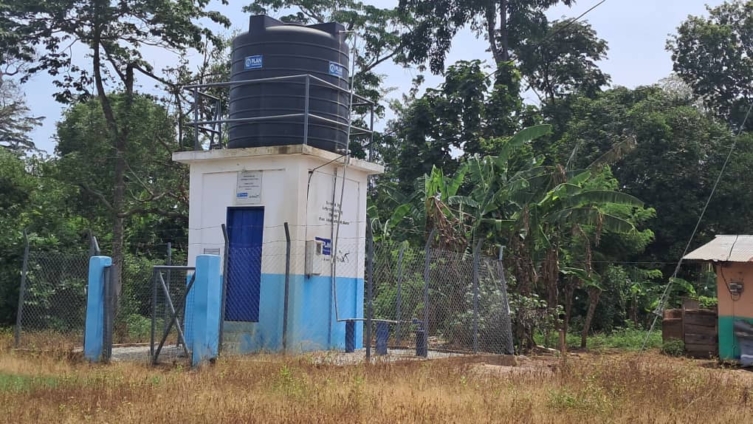
Plan International Ghana also tackled the school’s pressing water crisis by constructing a borehole, ensuring a consistent supply of clean water for both students and the wider community. The difference was immediate no more exhausting treks to fetch water, no more waterborne diseases, and no more excuses to miss school.
“Now, we have toilets, we have water, and I don’t have to go home because of my period,” said Adjei Naomi, a student at Koensim M/A. “We stay in school, we learn, and we don’t miss lessons anymore.”
Education Beyond Infrastructure
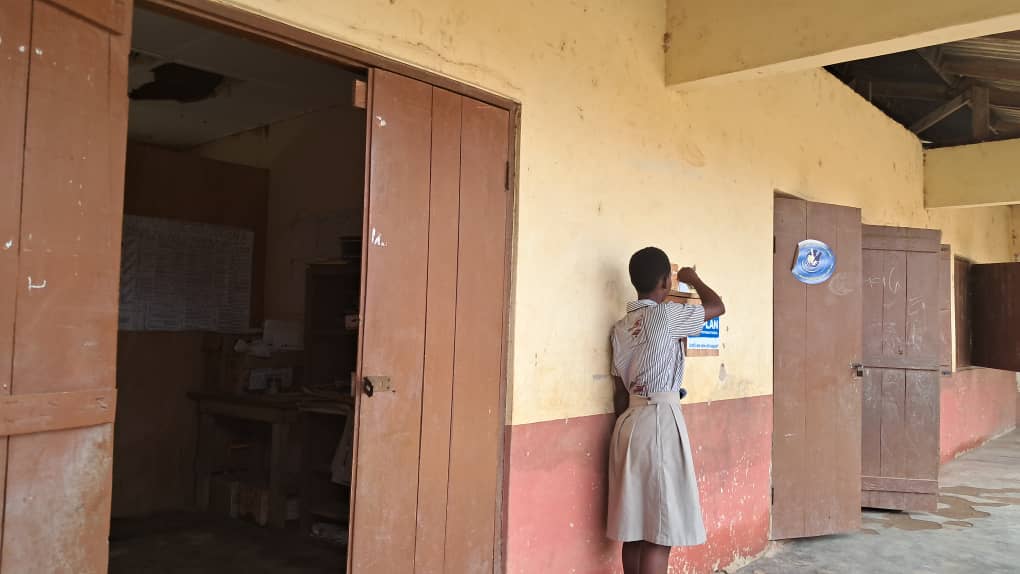
The intervention didn’t stop at sanitation and water. Plan International Ghana recognized that access to quality education also required adequate learning materials. With the introduction of Ghana’s new curriculum, the school had struggled to access textbooks, forcing teachers to travel to nearby towns with better internet access to download materials.
Thanks to Plan International Ghana’s support, the school now has sufficient textbooks and teaching resources, making classroom instruction more effective. This investment has paid off in remarkable ways when Koensim M/A presented its first batch of students for the Basic Education Certificate Examination (BECE) in 2023, the school recorded a 70% pass rate. By 2024, that number had jumped to 90%.
A Model for Sustainable Development
The transformation at Koensim M/A Primary and JHS is a powerful testament to how targeted interventions in sanitation, water, and education can break barriers and create opportunities. The once-struggling school is now a beacon of progress, proving that access to clean water and proper sanitation is not just a basic necessity it is a catalyst for education, empowerment, and a brighter future.
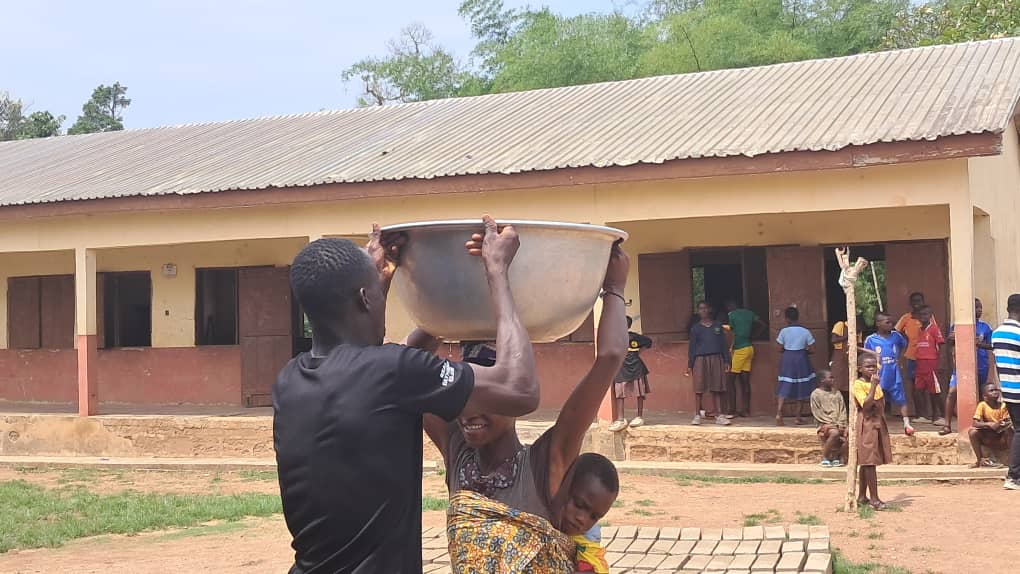
As Ghana continues to push toward achieving the Sustainable Development Goals, Koensim’s story stands as a model for how community-driven partnerships and sustainable solutions can change lives one student at a time.
Latest Stories
-
Four pupils to one desk: The painful plight of schools in New Juaben North
12 minutes -
Ipswich launch investigation into racist abuse of Abdul Fatawu
17 minutes -
Arrest of Techiman nurse is purely political persecution – ‘Ghana Jollof’
32 minutes -
Isak nets winner as Liverpool edge Bournemouth
1 hour -
I dare gov’t of Ghana to extradite me; they can never do it – ‘Ghana Jollof’ speaks
1 hour -
Semenyo scores twice as Manchester City beat Sunderland 5-3 in eight-goal thriller
1 hour -
Parliament calls for government-private sector collaboration to improve waste management
1 hour -
Volta Region described as cleanest so far in Parliament’s nationwide sanitation monitoring
1 hour -
Parliament urges MMDAs to enforce sanitation bylaws to curb indiscriminate waste disposal
2 hours -
Mohammed Kudus drops out of Ghana squad for AFCON 2027 qualifiers against Côte d’Ivoire and Gambia
2 hours -
Africa World Airlines unveils first Embraer E190 as part of 10-aircraft fleet expansion
3 hours -
Civilian hospitalised after alleged machete attack by prison officers, inmates
4 hours -
Toobu rejects calls to recall Parliament over 3.9-tonne cocaine shipment
4 hours -
Residents in 5 Northern Regions warned of approaching rainstorm
4 hours -
Constituency Games still a work in progress – Sports Minister
5 hours