

Audio By Carbonatix
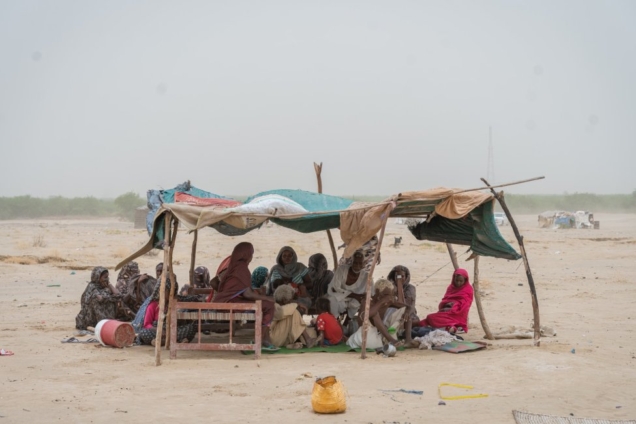
A new report shows that a record 83.4 million people were living in internal displacement by the end of 2024. This means they were forced to leave their homes but stayed within their own countries.
The Global Report on Internal Displacement 2025 (GRID), released by the Internal Displacement Monitoring Centre (IDMC), says the number has increased by 7.5 million from 2023, which was also a record year. The report points to conflict and disasters as the main causes.

In 2024 alone, 20.1 million people were newly displaced due to conflict and more than 9 million of these came from just two countries: Sudan and the Democratic Republic of Congo (DRC).
“These figures are a clear warning: without bold and coordinated action, the number of people displaced within their own countries will continue to grow rapidly,” said IOM Director General Amy Pope.
The IDMC report is also a call for preventive action, to use data and other tools to anticipate displacement before it happens, and for the humanitarian and development sectors to work together with governments to develop longer-term solutions to prevent displacement.
Disasters displaced more people in 2024 than ever before. A record 45.8 million new disaster displacements were recorded—nearly double the average over the past 10 years. While most people returned home during the year, about 9.8 million people remained displaced by disasters at the end of 2024.

29 countries and territories reported their highest numbers of disaster displacements ever. Cyclones alone caused 54% of all disaster displacements last year.
As climate change continues to cause more severe weather, experts warn the numbers could get even worse. The report highlights the importance of using good data to prepare for and reduce displacement.
The International Organization for Migration (IOM) is a key partner in the GRID report. It provides much of the data through its Displacement Tracking Matrix (DTM)—the world’s largest data source on internal displacement. In fact, more than half of the numbers in this year’s report come from IOM’s work.
The GRID report is used by governments and aid organizations to plan how to help displaced people and find lasting solutions.
Latest Stories
-
GJA opens entries for 30th Media Awards, introduces 2 new categories
34 seconds -
Ghanaian winger Ibrahim Sadiq joins Colorado Rapids in MLS
12 minutes -
Sister Love by Naina J.M.D. draws international praise ahead of October release
15 minutes -
Ghana Gas CEO calls for more investment in gas infrastructure
39 minutes -
Joy FM Back-to-School Discount Fair 2026 opens
39 minutes -
I’m not impressed by Ghana coach Carlos Queiroz – Odartey Lamptey
40 minutes -
I’m honoured to play at my second U-20 Women’s World Cup – Alex Tay
42 minutes -
8 feared dead as illegal mining pit collapses at Domi Keniago
44 minutes -
Eighth suspect arrested over fatal New Winneba violence
50 minutes -
Commercial fire at Agringanor brought under control by GNFS
52 minutes -
Mortgage repayments and existing debts should not exceed 50% of income – Republic Bank
1 hour -
Republic Bank to offer up to 100% mortgage financing at JoyNews Habitat Fair clinic.
1 hour -
You sounded like an NDC official – Arthur Kennedy criticises Chief Justice over SOE comments
2 hours -
Lands Minister inspects Ankobra, cites progress in galamsey fight
2 hours -
GRA clarifies phone, laptop duty rules; number of items not automatic trigger
2 hours