

Audio By Carbonatix
In recent times, insults have unfortunately become a common feature in Ghana’s political and governance landscape, and this regrettable phenomenon permeates both traditional and social media platforms. The situation has worsened to the extent that the elderly, clergy, traditional rulers and other respected figures in society are targeted incessantly.
The advent of social media has amplified this trend as it provides a platform for all manner of individuals, particularly the youth, to engage in unrestrained verbal attacks, intemperate vituperations and vitriolic abuses. Whilst criticism is an essential part of democracy and nation-building, the use of insults erodes the moral fabric of society and undermines national cohesion. No nation in history has been built on the foundation of insults, and Ghana must not chart that path.
History shows that the most advanced countries, such as the United States, Canada, the United Kingdom, Germany, Japan and others were not built through personal attacks or verbal abuses. Their progress came from constructive dialogue, mutual respect and a collective vision for national growth. Ghana, aspiring to achieve similar heights, must therefore abandon the culture of insults in the political discourse. Insults do not solve problems, create policies, or drive development; they only deepen divisions, incite hatred and may sometimes distract people from the pressing issues that require national attention.
The issue becomes more worrying when the targets of these insults are people of high standing in society; traditional rulers, clergy, statesmen and national leaders. In Ghanaian tradition, certain figures are accorded high respect because they serve as unifying forces in times of crisis. When these individuals are consistently insulted, they risk losing the reverence they need to mediate in national matters. If there were to be a serious conflict or national unrest, such individuals might be called upon to intervene. However, insults and public ridicule could weaken their moral authority and make them ineffective in resolving disputes.
Nation-building thrives when there are individuals whose words carry weight and whose presence commands attention. These individuals, be they traditional leaders, religious figures, or experienced statesmen, must be safeguarded from the corrosive and abrasive culture of insults. Having said that, it is equally important for these leaders to conduct themselves in ways that do not invite unnecessary criticism or anger from the public.
Clergy and traditional rulers must avoid acts that could be perceived as partisan, unjust or morally questionable. The Bible offers clear guidance on such matters: Proverbs 15:1 reminds us that “A gentle answer turns away wrath, but a harsh word stirs up anger.” Leaders, therefore, must act with integrity, humility and wisdom to ensure that their actions do not inadvertently provoke disrespect.
The media also plays a significant role in this discourse. In recent times, some journalists have resorted to insults in their commentaries and interviews. Whilst they may claim to be engaging in criticism, the language they use often crosses the line into personal attacks and vitriolic abuses. Such conduct is not only unprofessional but also damaging to the values of responsible and professional journalism.
Children and young people often learn from what they see and hear, and when the media normalises insults, it indirectly teaches the next generation that verbal abuse is acceptable in public discourse. Globally renowned journalists, whether from the BBC, CNN or Al Jazeera, are known for their ability to challenge authority and hold leaders accountable without resorting to derogatory language. Ghanaian journalists can uphold the same standards by maintaining professionalism, accuracy and decorum.
Politicians also bear responsibility in this matter. Some political figures are known to sponsor individuals or groups to engage in insults against opponents, thinking it will earn them a political advantage. This practice is dangerous for democracy and detrimental to national unity. Insults may deliver short-term political excitement, but they inflict long-term damage on the political culture of the country. Politicians who truly love Ghana must rise above the temptation of verbal attacks and instead promote respectful, fact-based debates.
Ghana’s path to development requires unity, respect and constructive dialogue. Insults will not build roads, improve schools or strengthen the economy. They will only deepen partisan divisions, create mistrust and cause distractions to nation-building.
It is time for all Ghanaians, leaders, journalists, politicians and ordinary citizens to embrace a new culture of respect in political discourse. A nation is not built by tearing down its people through words, but by lifting each other, even in disagreement. The call is clear: Ghana must reject the politics of insult and build its future on the solid foundation of respect, dialogue and mutual understanding.
-
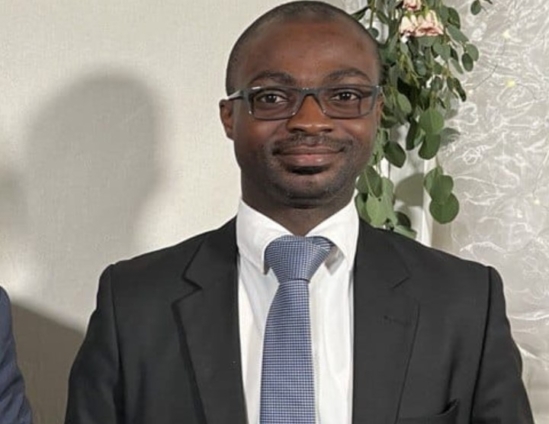
The author, Scott Edward Agyemang, is a Doctoral Researcher and Political Analyst
Latest Stories
-
The 7-foot giant of Ngleshie Amanfro: Seven-foot Ghanaian Ephraim Saawa dreams of joining the national basketball team
11 minutes -
Government promises support for Kumasi Central Market fire victims
17 minutes -
Vibes The Movie: Big Ghun’s Ghanaian film earns five nominations at 2026 REFFA
48 minutes -
MamaCare CEO warns unresolved conflicts among health workers could undermine maternal and neonatal care
1 hour -
Health professionals urged to translate medical knowledge into practice to save mothers
1 hour -
Conflicts among care providers linked to maternal, neonatal deaths – Expert
3 hours -
GIS marks 10th TIME conference, champions improved teaching practices
3 hours -
BRICS Or Balance? What Ghana’s bid really means
3 hours -
GPRTU wants full TRAFFITECH-GH implementation to start in 2027
4 hours -
Mahama announces plans to import electric wheelchairs for PWDs
4 hours -
KGL U17 Colts 2026: Western beat Prempeh Elite Academy to set up final final with Greater Accra Region
4 hours -
Late Solanke strike salvages 10-man Spurs draw at Man United
4 hours -
Gender Ministry to monitor welfare of Nana Akua Addo’s children amid domestic violence case
4 hours -
Benedict Okyere Yeboah: Ghana’s football problem goes beyond sacking a coach
5 hours -
GPL 2026/27: Darkwah Wiafe’s winner sees All Blacks beat Kotoko
5 hours