

Audio By Carbonatix
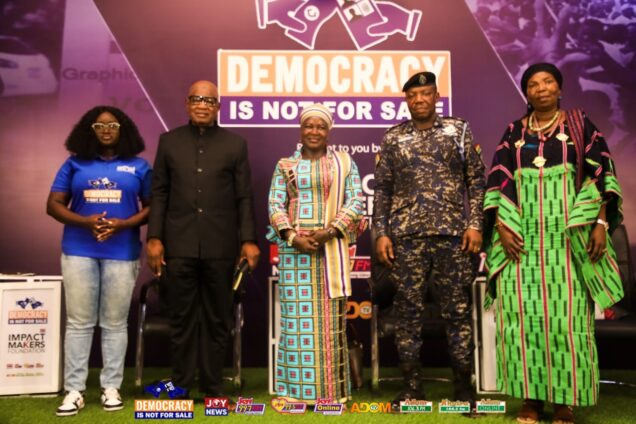
The JoyNews Democracy Is Not for Sale forum ended on a high note on Friday, March 27, with renewed calls for decisive action against vote buying and comprehensive reforms to safeguard Ghana’s democratic process.
Held at the GNAT Hall, the forum brought together academics, security officials, and civil society actors to confront the growing influence of money in politics and chart a path towards electoral integrity.
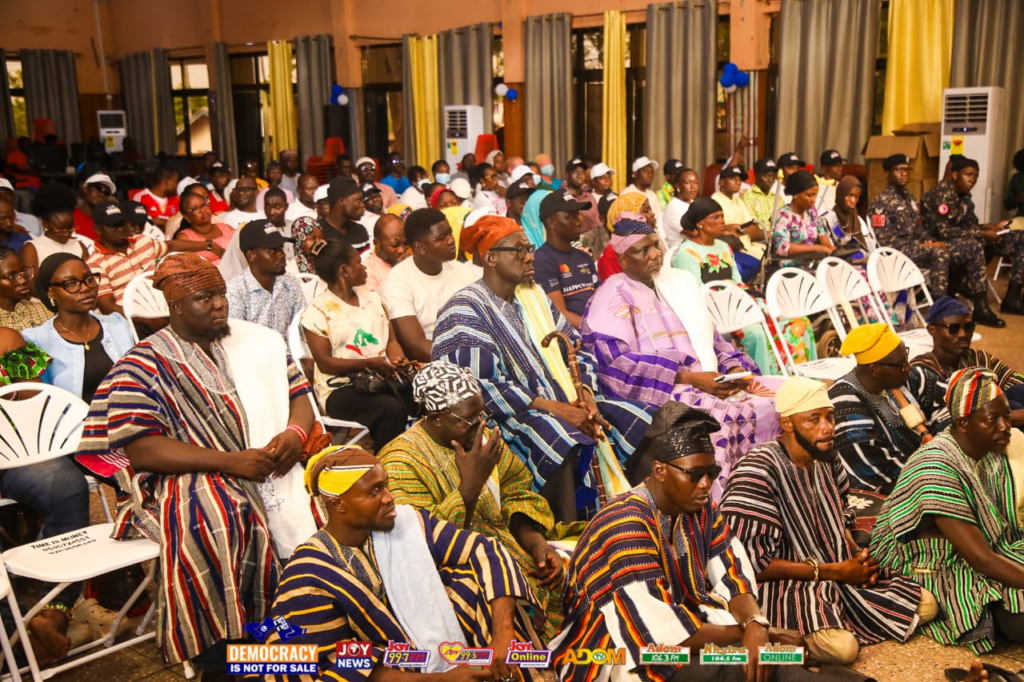
Throughout the discussions, speakers painted a worrying picture of a democracy increasingly shaped by financial inducements rather than the will of the people.
Dean of the Faculty of Social Sciences at the University for Development Studies, Eliasu Alhassan, warned that Ghana’s democracy is being reduced to a “commodity,” driven by poverty and vote buying.

He argued that politicians continue to exploit economic hardship and limited public awareness to influence voter choices, stressing that accepting money in exchange for votes effectively undermines citizens’ decision-making power.
Prof Alhassan further highlighted a major enforcement gap, noting that many incidents of vote buying go unreported, making it difficult for law enforcement agencies to gather evidence and prosecute offenders.
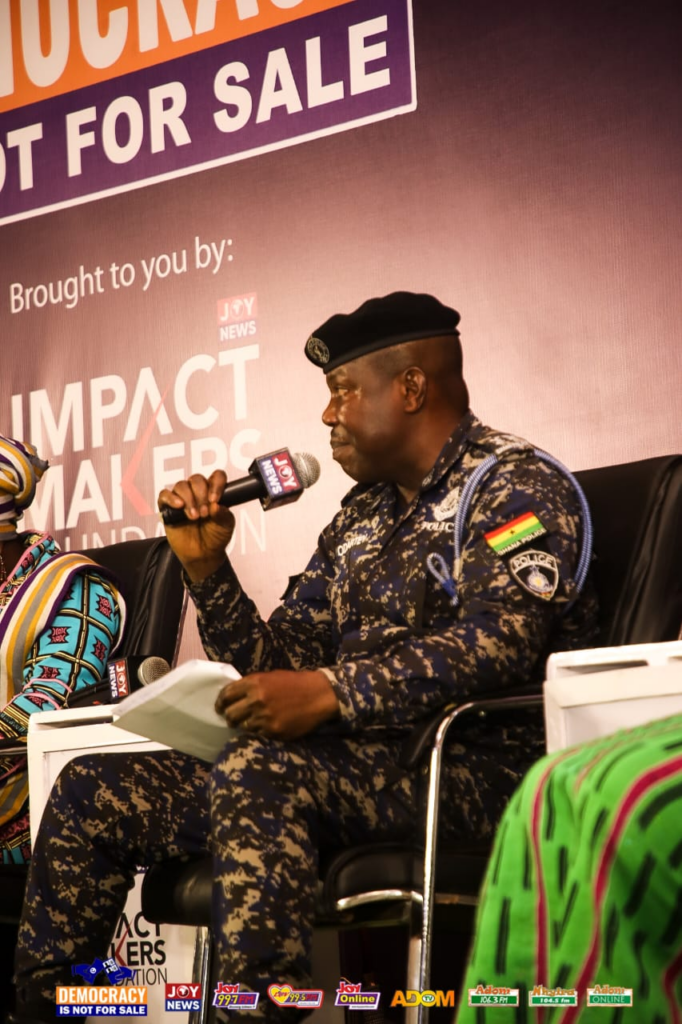
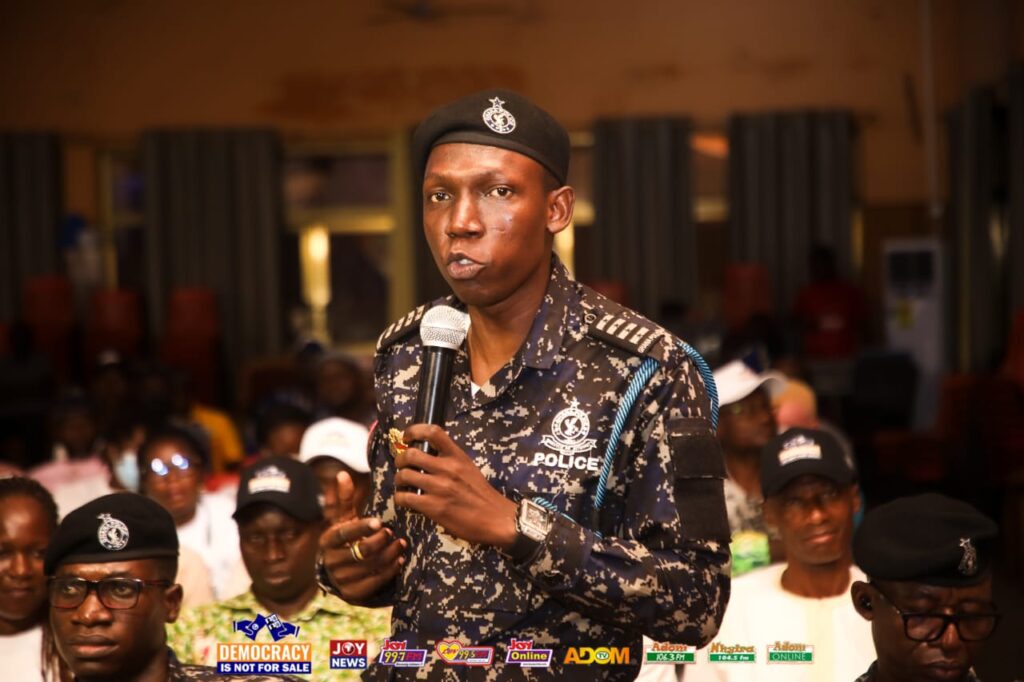
Adding a security perspective, Northern Regional Operations Commander, Richard Lantei Odartey, underscored the role of public education in addressing the problem.
He said many Ghanaians lack adequate understanding of democratic principles and electoral laws, a situation that continues to fuel voter inducement.

He stressed that vote buying remains a criminal offence under Ghanaian law, but securing convictions requires clear and credible evidence of influence, a challenge compounded by weak reporting and cultural perceptions around gift-giving during elections.
The forum, organised by the JoyNews Impact Makers Foundation, forms part of a broader national campaign aimed at generating citizen-driven recommendations for a proposed campaign finance reform blueprint.
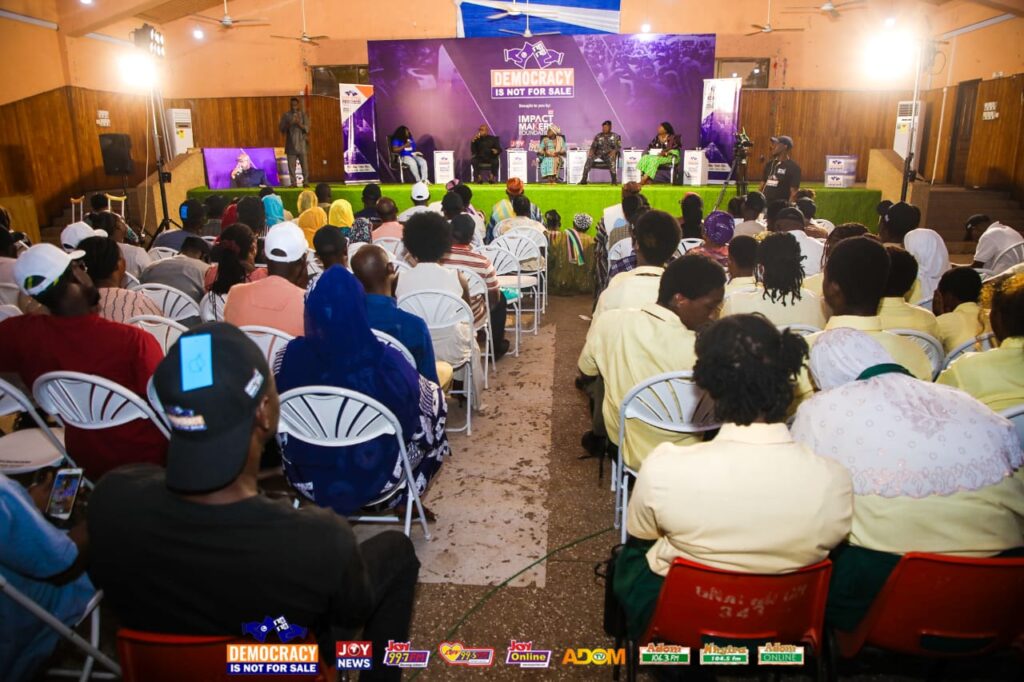
As discussions wrapped up, participants called for stronger policies, stricter enforcement of electoral laws, and intensified civic education to curb vote buying and restore public confidence in the democratic process.
There were also calls for political parties to shift from inducement-based campaigning to issue-based engagement, while citizens were urged to reject financial incentives that compromise their voting power.
The consensus was clear: without urgent reforms and collective action, the integrity of Ghana’s democracy risks further erosion, but with sustained commitment, the tide can still be turned.
Latest Stories
-
Nana B passport claims a diversionary tactic — Abu Jinapor
53 minutes -
Pope Leo diagnosed with cancer as doctors remove lobe of lung, Vatican says
54 minutes -
Legal Aid Commission takes free legal services to Techiman main lorry terminal
58 minutes -
Nana B denies seeking passport favour, accuses Ablakwa of failing to account for GH¢16.4m
1 hour -
Young girls demand climate action, stronger protection against child marriage
1 hour -
Ex-gang boss sentenced to 40 years for orchestrating Tupac Shakur’s murder
1 hour -
From near-deferral to three awards: UMaT graduate’s academic journey
1 hour -
Atta Akyea denies seeking presidential pardon for Wontumi in galamsey case
2 hours -
Photos: Mahama commissions 85-bed Police Hospital ward, donates two ambulances
2 hours -
GTEC directs Ghana’s public universities to reopen by October 16 and begin lectures on October 19
2 hours -
Star Oil donates GH¢1million towards construction of new CID facility
2 hours -
Court hands Adjetey Sowah, two others lifetime bans after Amputee Football legal dispute
2 hours -
NDC appoints Julius Kwame Anthony as a Deputy Communications Director
2 hours -
Ghana repatriates 120 Nigerians rescued from suspected cybercrime centres
2 hours -
NPP rejects Emelia Agbenyo’s appointment as Deputy EC Chair, demands withdrawal
2 hours