


Audio By Carbonatix
When Vice President Prof. Jane Naana Opoku-Agyemang stepped onto the Kalibi-Ganglaa durbar grounds, she was not just attending as a guest — she was stepping into a story of resistance that began with spears raised against slave raiders and continues today with determined efforts to fight poverty through development.
Addressing chiefs and people of the Sankana Traditional Area during this year’s festival, the Vice President pledged the government’s unwavering commitment to easing the burdens of the community.
She listed ongoing interventions, including the construction and rehabilitation of roads to improve transportation and commerce, the building of classrooms with modern facilities, the provision of teaching aids for schools, and the supply of free sanitary pads to help end menstrual poverty.

But in Sankana, development is never separated from history. This is a community that once defeated the slave raiders Babatu and Samori and is now waging a new struggle for roads, healthcare, and dignity.
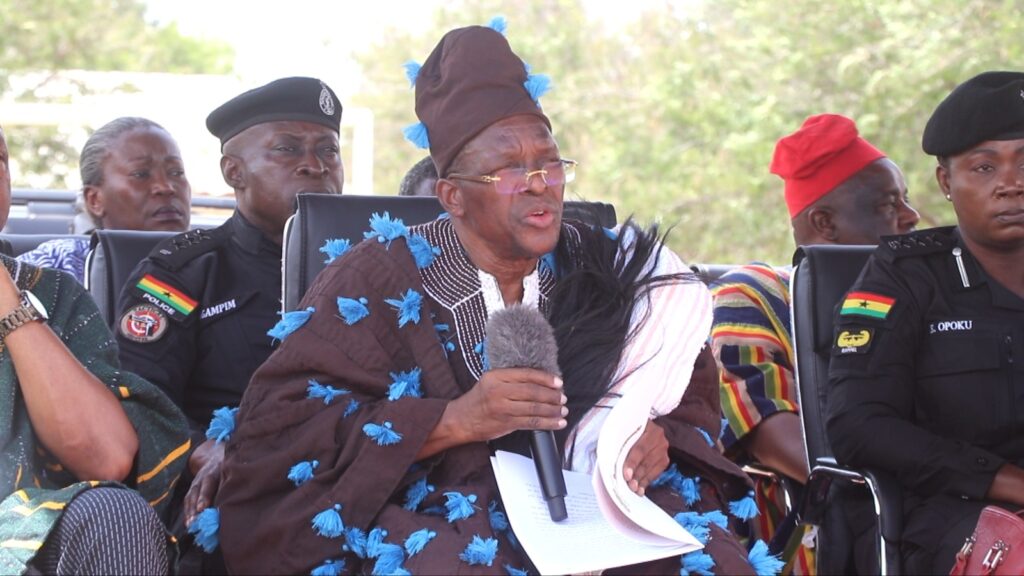
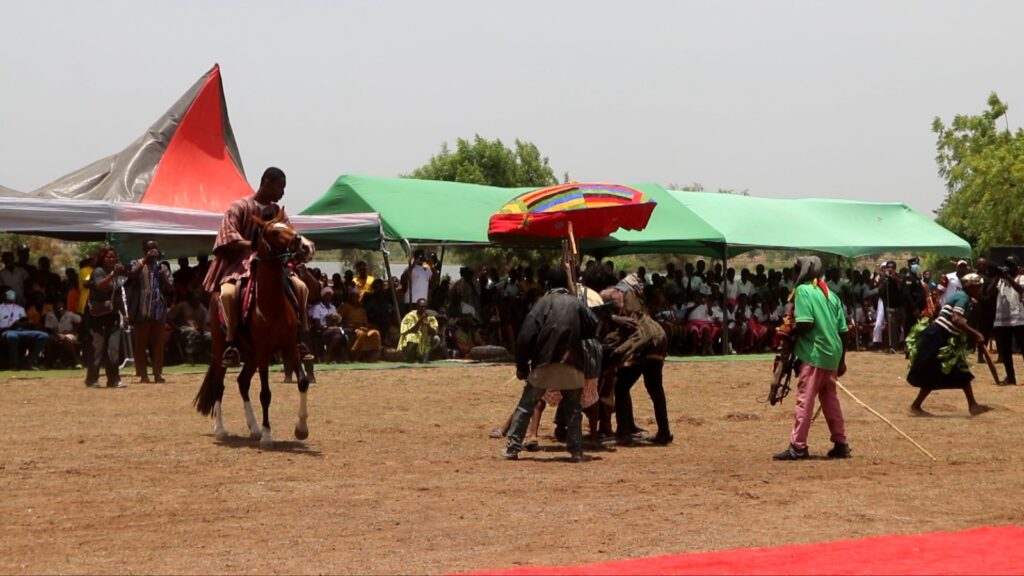
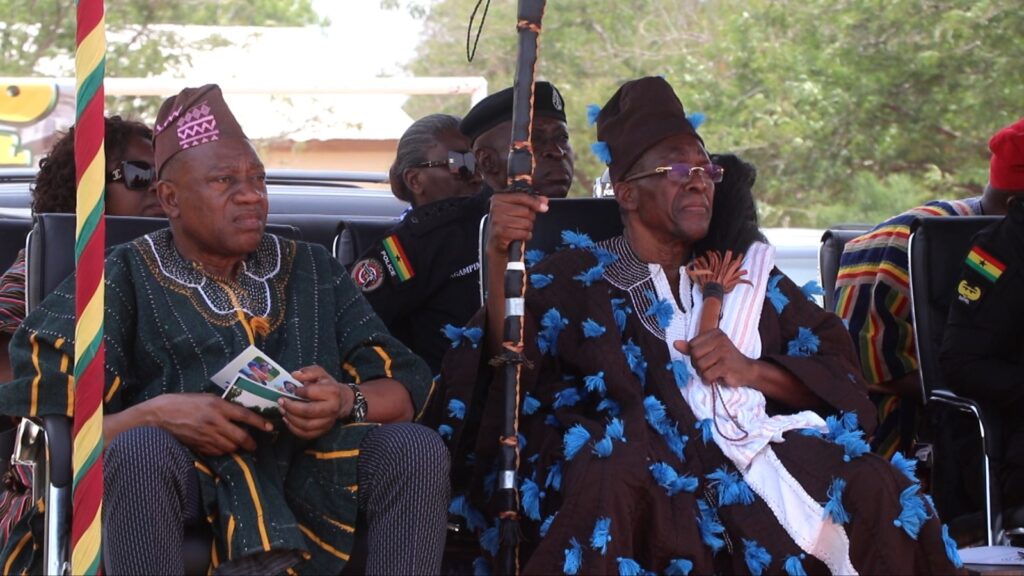
The rhythmic beat of the gyile echoed across the Sankana Basic School Park as chiefs, adorned in flowing smocks and caps, sat in state. Drummers, dancers and horse riders filled the arena, performing in spectacular fashion. This is Kalibi — the annual festival of the Sankana Traditional Area. Though the sun was bright and scorching, attendees defied the heat with pride, memory and expectation.

For the chiefs and people of Sankana in the Upper West Region, Kalibi is more than a cultural showcase. It is a homecoming — a time to renew allegiance to the paramountcy, rekindle bonds of kinship, and take stock of the year gone by. At the festival grounds overlooking the Sankana dam, better known as Sanka Beach, speaker after speaker recounted history while the youth listened, masquerades danced, and duty bearers planned for the future.
Kalibi also serves as a memorial. It commemorates one of the proudest moments in the area’s history — the defeat of slave raiders led by the infamous Babatu and Samori in 1896.
Paramount Chief of Sankana, Naa Paraninge Saakoe Mornah III, recounted how the valiant Dagaaba people of Sankana stood firm and repelled the marauding slave raiders.
The Paramount Chief noted that Sankana’s resistance was pivotal in halting the southward advance of slave expeditions that had terrorised communities across the north. It is a history the people guard fiercely, retold each year to remind the younger generation of the price of freedom.
True to tradition, this year’s Kalibi Festival also became a platform for discussing development. In his address, Naa Paraninge Saakoe Mornah III laid bare the challenges confronting his people.

He tabled proposals for government intervention, including irrigation projects and the upgrading of the Sankana Health Centre.
Vice President Prof. Jane Naana Opoku-Agyemang, who a couple of years ago was enskinned as a development queen mother under the skin name Pognaa Piirima, graced the festival in a vibrant kaba and slit. She assured the gathering that the government was listening, outlining ongoing projects in the area, including school infrastructure, roads and agriculture, and pledged that the concerns raised would be addressed.
‘I am happy to note that the road from Wa through to Tumu to Navrongo is currently under construction’, drawing large applause from the audience. Furthermore, work has started on the Wa–Sawla road, sites for the 24-hour economy markets for MDAs have been identified, and work is set to begin. She disclosed that another priority is to improve school infrastructure at Sankana and provide sanitary pads to school-going girls to help prevent menstrual poverty.
Speaker of Parliament Alban Sumana Kingsford Bagbin went a step further, responding directly to the Paramount Chief’s appeal.

‘I want to assure you that the government is committed to the dredging of the Sankana dam. The dam is not only for irrigational purposes but will serve the people of the Sankana enclave with portable water,’ Speaker Alban Bagbin added.
He also announced a €4 million support package from the European Union for the Shea Park Project — an initiative aimed at boosting the shea value chain, creating jobs, particularly for women, restoring one hundred thousand hectares of degraded parklands, and planting 3.5 million shea seedlings.
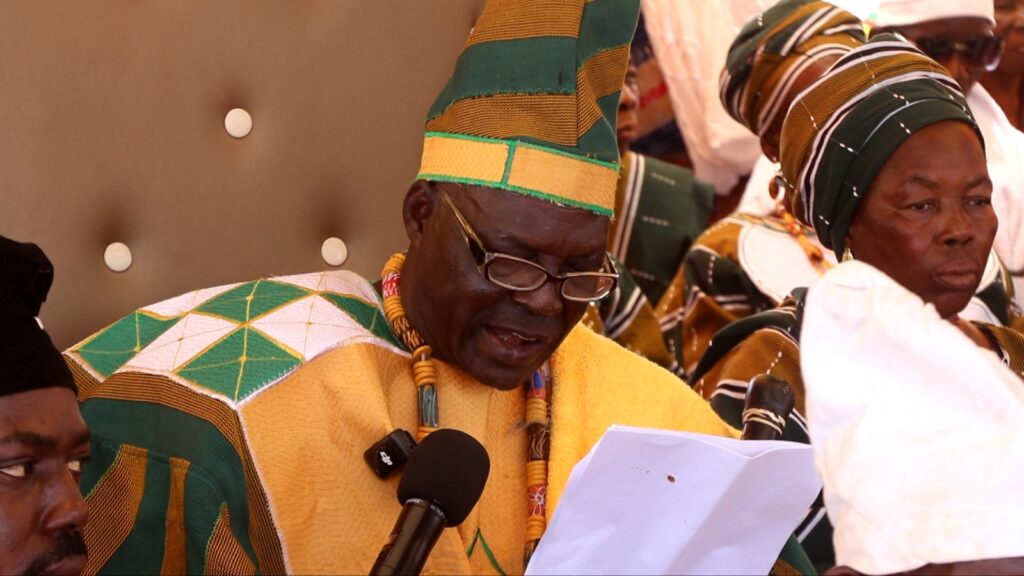
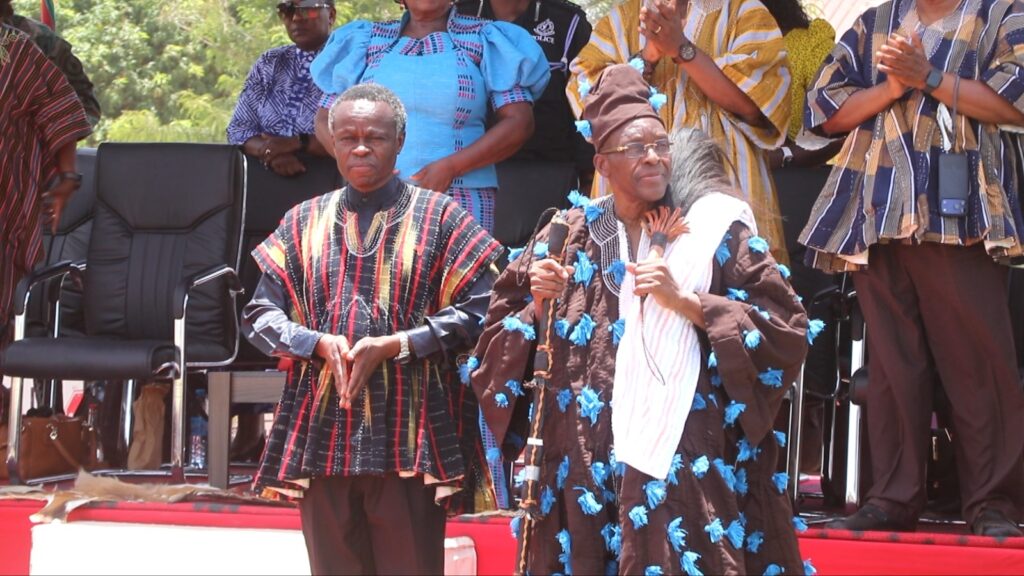
The festival also saw two distinguished guests honoured and enskinned into the Sankana tradition. Pan-Africanist and legal scholar Prof. P.L.O. Lumumba was enskinned as Tangua Naa, while Speaker Bagbin received the skin name Naa Yelminini Yelkaabare Kungkpewuo.
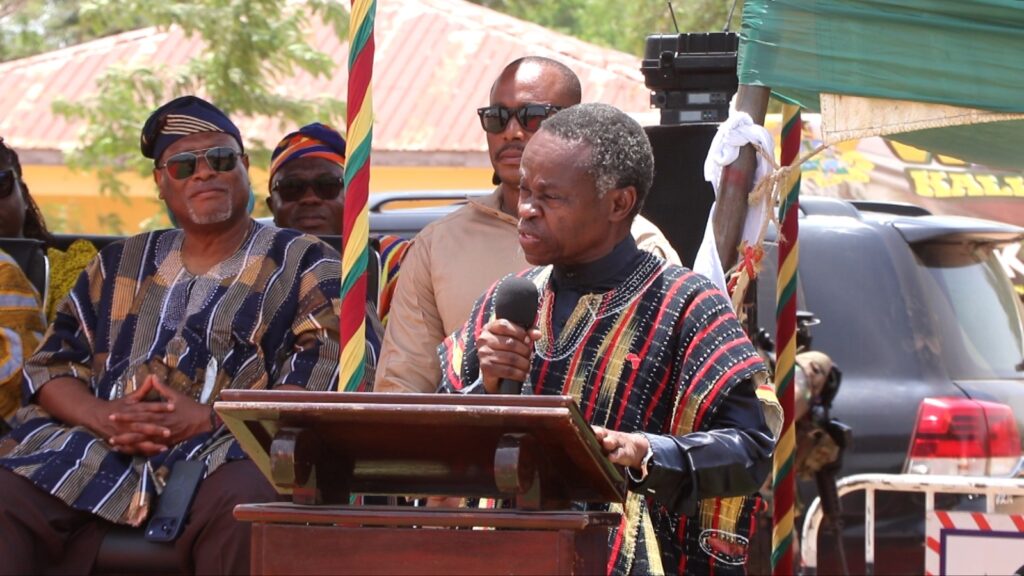
A visibly moved Prof. Lumumba thanked the chiefs and people for the honour.
For Sankana, Kalibi once again served its dual purpose — honouring a past defined by courage and charting a future anchored in progress.
Latest Stories
-
Let The Constitution direct Chieftaincy to deliver “All Development Is Local”
14 minutes -
Ghana explores centre of excellence for hearing, communication and cochlear implant care
2 hours -
Schizophrenia-related disorders lead mental health cases recorded in Ghana
2 hours -
Dutch authorities enlist Ghana in hunt for fugitive drug lord Bolle Jos
2 hours -
Ghana housing finance conference adopts communiqué to improve affordable housing access
7 hours -
Special Initiatives Minister urges Wa Technical Institute to enrol more girls as EU-backed solar training lab opens
7 hours -
In the matter of my first year at the Bar
7 hours -
ActionAid Ghana calls for an end to child marriage, greater investment in girls’ rights
8 hours -
Newsfile to tackle World Cup visa scandal, beach demolitions, education strikes, BRICS bid
8 hours -
UK-Ghana Trade & Investment Summit: Trade Resource Centre to help businesses maximise UK-Ghana trade opportunities
8 hours -
Embassy of Denmark celebrates World Maritime Day
8 hours -
Linking LEAP to productive inclusion could cut extreme poverty by 2030 – UNICEF
9 hours -
Trade Ministry backs use of creative arts to rehabilitate prison inmates
9 hours -
Negotiations with government to continue despite strike suspension – GNAT
10 hours -
‘Ghana cannot afford to waste public resources; every cedi has a job’ – Ato Forson
10 hours