

Audio By Carbonatix
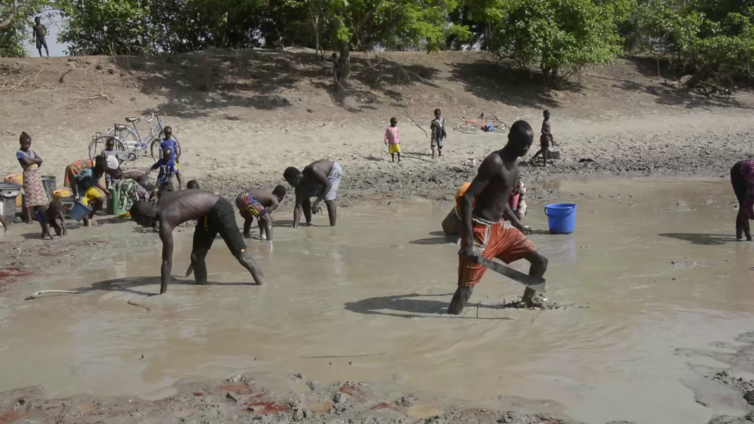
In the Savelugu Municipality, getting clean water has become a daily struggle. What should be a simple need is now a serious problem for many families.
Every morning, before the sun rises, women and children walk long distances to look for water. Some walk for hours. Even after the long journey, the water they find is often dirty and unsafe.
“We don’t even drink it like that,” says Abdulai Napari. “When you fetch it, it is full of mud. You have to let it settle before you can use it.” That is the reality for many people in the area.
For Fuseini Asana, a mother of six, the struggle is even harder. She needs water for her children and her animals. Each day, she spends many hours searching for water.
When she finally gets some, it is not clean. She adds alum to get the dirt to settle before using it. This takes time and reduces the amount of water she has. “It is not healthy,” she says. “We need clean water, but we don’t have it.”
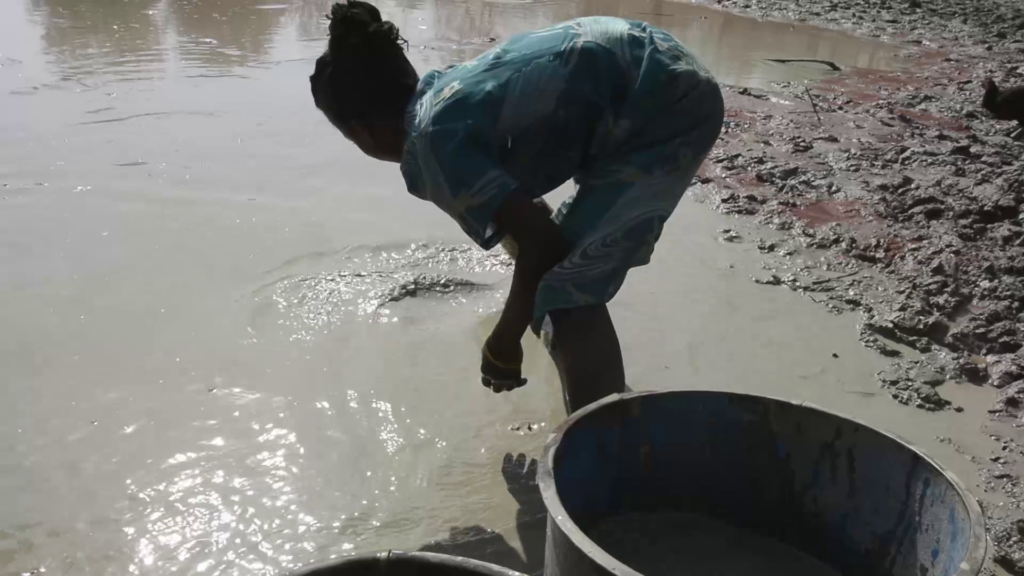
The community depends on a dam. But the same water is shared with animals. Cows and goats drink from it, making it unsafe for human use. “If we had pipe-borne water, we would not come here,” she adds.
Experts say the water problem is getting worse because of climate change. Rainfall is no longer regular. Sometimes the rains delay. Sometimes they stop early. This means less water is stored in dams and rivers.
The sun is also hotter than before. Because of this, water dries up faster. In places like Savelugu, this has made water very scarce, especially during the dry season.
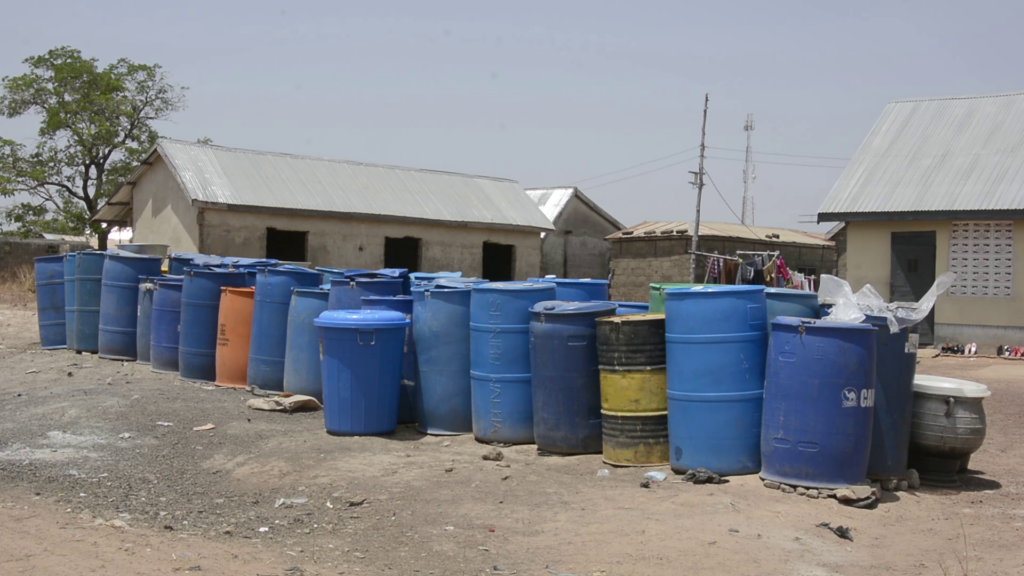
Across northern Ghana, many communities face the same problem every year. But now, the situation is becoming more serious because of changing weather patterns.
The problem is not only about rain. The land itself also makes it hard to find water. A hydro-geophysicist, Mohammed Abdul Mumin from Primux Technology, explains that the soil in the area cannot hold water well.
Even when experts try to drill boreholes, they sometimes find no water. “The soil takes in water but does not store it well,” he explains. “So you may drill and still not get water.” This makes it difficult and expensive to provide underground water for communities.
The lack of water is also affecting people’s work. Women who should be farming or trading now spend most of their time searching for water. This reduces their income and affects their families. “If there is no water, we cannot do our work,” Napari says.
Residents are now calling on the government and other organisations to help. They want reliable solutions like pipe-borne water and better dams that can store water for a long time.
“This dam helped us,” Asana says. “But now it is not enough. If it dries up, we don’t know what we will do.”
As changing weather patterns continue to affect rainfall and increase heat, communities like Savelugu are feeling the impact every day.
-
This is a JoyNews-CDKN-University of Ghana C3SS project funded by the CLARE R4I Opportunities Fund.
Latest Stories
-
Ghana eyes stronger trade ties as Australia hosts multicultural trade and investment forum
2 minutes -
Margaret-Marie Krakue
5 minutes -
Ayariga announces plans for live broadcast of MMDAs’ meetings on local radio stations
8 minutes -
Mrs Anna Tackie
10 minutes -
Ghana links Afghan heroin and Brazilian cocaine to global drug markets – Global Organised Crime Index
17 minutes -
NHIA launches nationwide inter-school quiz to deepen students’ knowledge of NHIS
24 minutes -
Political protection could be masking Ghana’s cocaine trade – Global Organised Crime Index
29 minutes -
AFCON 2027Q: ‘We have to dissolve the GFA’ – Effia MP after Black Stars lose to Gambia
31 minutes -
NPP announces voting schedule and ID requirements for October 3 national elections
33 minutes -
Lupus can mimic HIV symptoms and damage kidneys if untreated – KNUST expert
36 minutes -
Focus on Sickle Cell Foundation seeks to introduce sickle cell education through comics in Ghanaian schools
41 minutes -
NPP rewrites the campaign playbok as opposition reality shapes National Executive contest
43 minutes -
Road safety education will fail without enforcement – NRSA boss
44 minutes -
Daily Insight for CEOs: Finishing Q3 strong and entering Q4 with purpose
45 minutes -
National Ambulance Service begins ‘Operation Restore Fleet’ to restore grounded ambulances
46 minutes