

Audio By Carbonatix
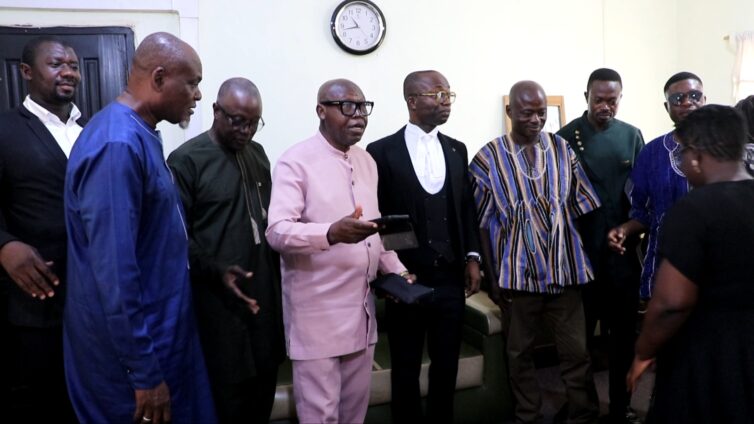
The Supervising Judge of the Wa High Court, Justice Osei Wusu-Antwi, has appealed to Parliament’s Judiciary Committee for urgent support to address staffing shortages and infrastructure deficits affecting courts in the Upper West Region.
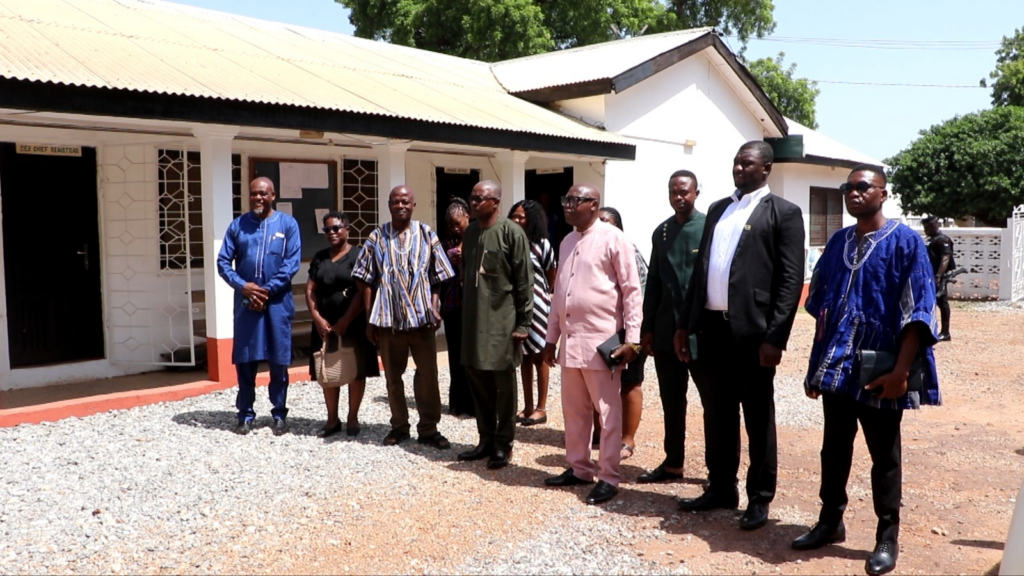
Speaking during the committee’s visit to Wa, Justice Wusu-Antwi said the new High Court complex had progressed significantly after stalled construction, crediting the committee’s intervention for the revival of the project.
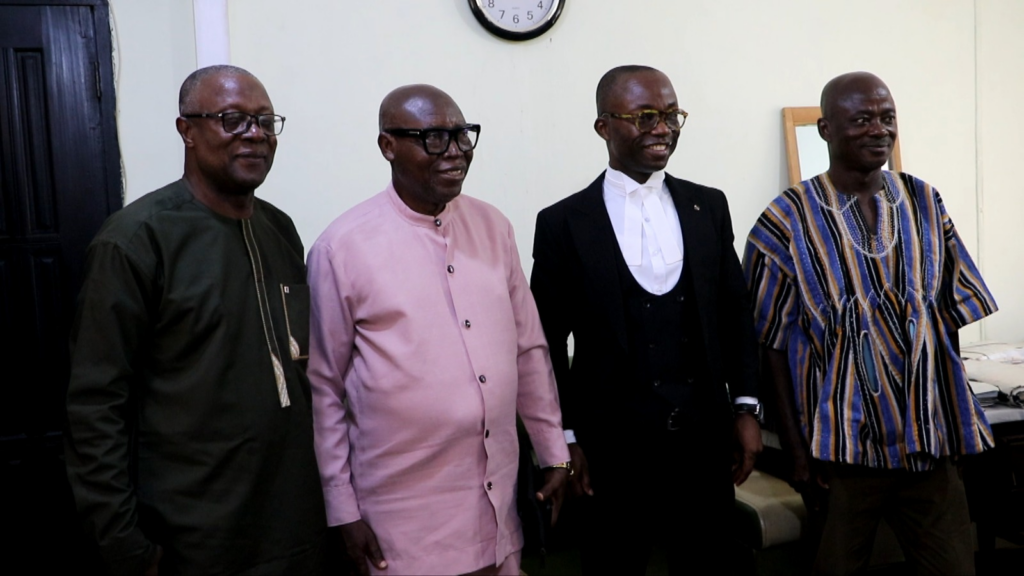
He noted that while the second court now has a judge, the district courts remain severely understaffed.
“For the other four district courts, we have only one district magistrate undertaking relieving duties, managing three courts,” he said. “As for Tumu, as we speak, there is no magistrate attending to them. This affects justice administration in that district.”
He also raised concerns about poor road infrastructure discouraging judicial officers from accepting postings to the region, and called for a law library to support both the courts and students at the newly established law faculty at the University of Business and Integrated Development Studies (UBIDS).
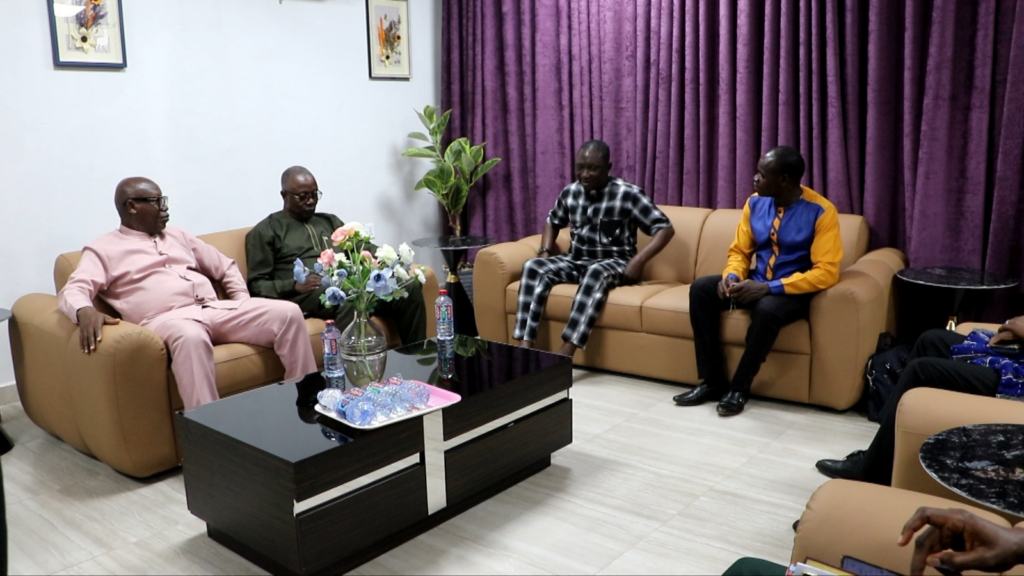
Responding, the Ranking Member of the Judiciary Committee, Bede Anwotaazuma Ziedeng, said the committee had already facilitated the release of funds to complete the Wa High Court complex and was committed to addressing wider challenges in the Judicial Service.
“We have oversight over the entire judiciary,” Ziedeng stated. “When the budget is presented, we meet the judiciary. Whatever they present, and whatever we have seen on the ground, we take into consideration before preparing our report for Parliament.”
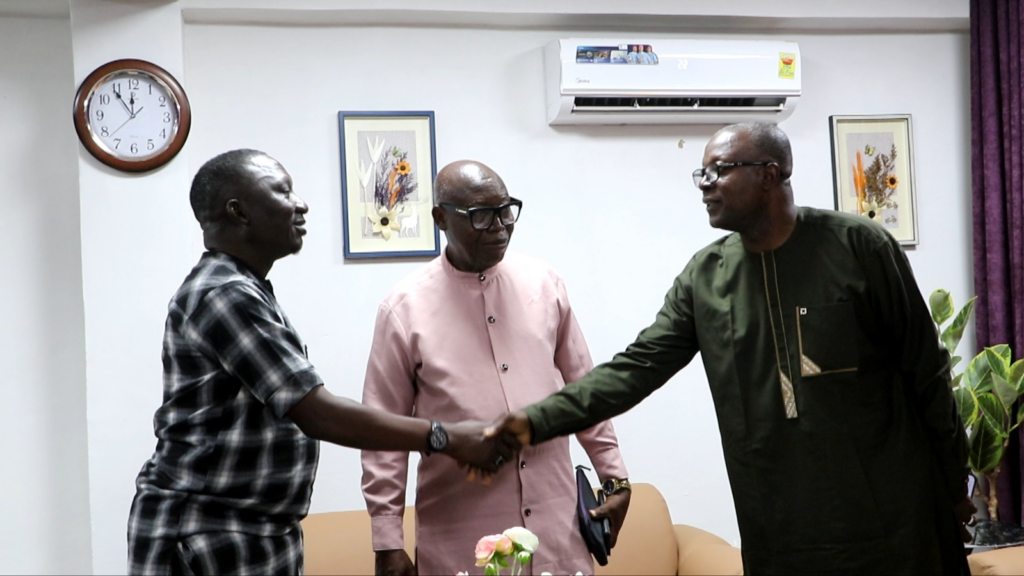
He confirmed the committee had been briefed on the situation in Tumu, Jirapa, Nadowli, and Lawra, and would visit circuit and magistrate courts in the region to assess conditions firsthand.
The committee also met with the Pro-Vice Chancellor of the University of Business and Integrated Development Studies, Prof Isaaka Osumanu Kanton, who outlined challenges facing UBIDS’ law faculty.
“Running the law school is quite challenging,” Prof Kanton said. “It has been difficult to get qualified lecturers. We mostly use part-time lecturers, and that costs us a lot.”
He added that the university was monitoring proposed legal reforms on legal education and was expanding infrastructure, including converting the Upper West Hall, which previously served as a hostel facility for students, to provide more classrooms and office space for the law school.
Closing the engagements, Mr Ziedeng reiterated that the committee’s mandate extended beyond inspecting buildings to resolving systemic issues affecting justice delivery and legal training in the region.
“Looking at the building and its completion is the immediate reason we are here, but beyond that, we are also looking at other issues affecting the Judiciary as a whole,” he said.
Latest Stories
-
About 80% of hostels operate illegally – Acting Rent Commissioner
2 minutes -
IJM urges Ghana government to increase and protect child protection funding
4 minutes -
Atwima Kwanwoma Assembly reclaims over 30 acres of land degraded by illegal mining
8 minutes -
University of Ghana warns 2026/27 applicants against admission scammers
10 minutes -
GRIDCo gives Ejisu occupants under high-tension lines 30 days to vacate
13 minutes -
NPP rejects current constitutional review process, demands Consultative Assembly
20 minutes -
Parliament to open Ghana’s first Parliamentary Museum to the public on September 22
30 minutes -
134 former MMDCEs demand payment of outstanding terminal benefits from Finance Ministry
38 minutes -
Morocco announce friendly with Black Stars on October 4
46 minutes -
2026 World Cup: Black Stars yet to receive bonuses over tax issues – Sports Minister
2 hours -
Bawumia targets trade reforms to make Ghana business-friendly
2 hours -
KNUST warns applicants against fake admission, accommodation agents
2 hours -
Trump threatens ‘serious tariffs’ on EU over proposal to make Canada ‘associate member’
2 hours -
Bawumia engages traders over high import duties, demurrage and access to credit
2 hours -
Joyce Bawah Mogtari highlights women’s role in public sector financial governance
2 hours