

Audio By Carbonatix
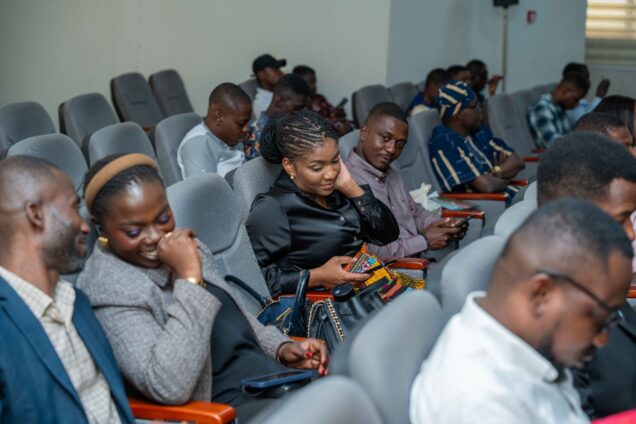
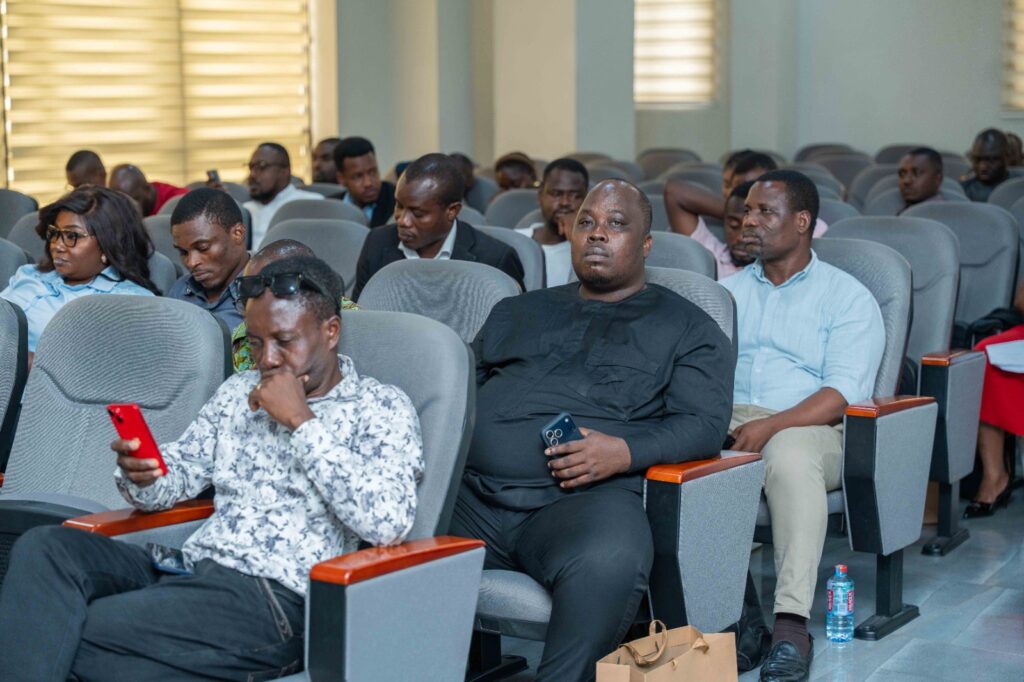
The Inter-Ministerial Coordinating Committee on Decentralisation has engaged media practitioners as part of efforts to build public awareness and support for Ghana’s new National Decentralisation Policy and Strategic Framework (2026–2030).
Speaking at a sensitisation and policy orientation workshop held on May 19, 2026, Executive Secretary of the IMCC, Dr Dominic Hoedoafia, underscored the critical role of the media in deepening democratic decentralisation and strengthening accountability at the local level.
He described the development of the new policy framework as a major step in Ghana’s governance reform process, aimed at creating a more responsive, participatory and inclusive local government system.
According to Dr Hoedoafia, the 2026–2030 framework seeks to empower communities while promoting equitable and accountable governance across the country.
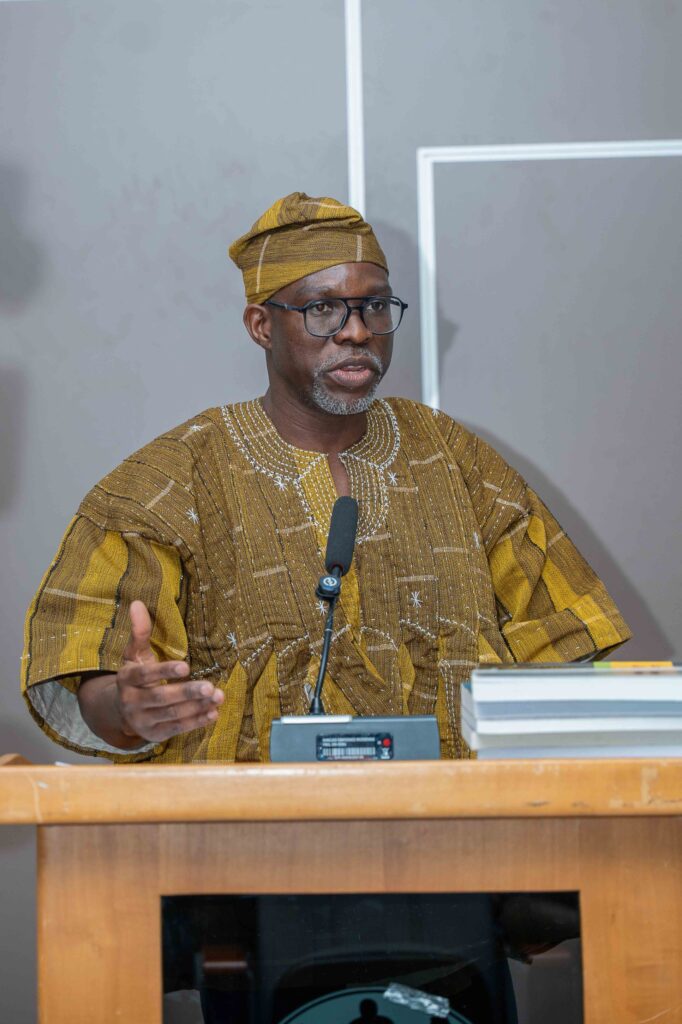
He explained that decentralisation is founded on the principle of bringing governance closer to the people, adding that effective local governance depends on institutions that are efficient, transparent and responsive to the needs of citizens.
Dr Hoedoafia further stressed that accountability must remain central to the decentralisation agenda, noting that the media and civil society have an important oversight responsibility in ensuring transparency in governance.
“The media occupies a very strategic position in our governance ecosystem. It is the essential bridge between government and citizens, reinforcing accountability and enabling informed public dialogue,” he stated.
He urged journalists to intensify coverage of local governance issues and help educate citizens on the responsibilities and functions of Metropolitan, Municipal and District Assemblies (MMDAs), local participation structures, fiscal decentralisation and development planning processes.
The IMCC Executive Secretary also encouraged the media to focus greater attention on district-level governance, arguing that many everyday service delivery concerns such as sanitation, housing and community development are handled at the local level rather than by central government ministries.
He noted that citizens often direct local governance concerns to ministers when such matters should be addressed by Metropolitan, Municipal and District Chief Executives (MMDCEs).
As part of the workshop, Prof. Kwamena Ahwoi, Chairman of the IMCC Technical Committee, delivered a presentation on the evolution of Ghana’s governance and administrative system.
Prof. Ahwoi traced the country’s regional administrative structure from the five regions at independence in 1957 to the current sixteen regions, explaining that the changes were intended to strengthen governance and improve administrative access for citizens nationwide.
The workshop also saw a presentation on the new National Decentralisation and Policy Strategic Framework (NDPSF, 2026-2030) by Dr Esther Ofei-Aboagye, who emphasised the importance of inclusive and participatory local governance systems.
The workshop forms part of stakeholder engagements ahead of the implementation of the NDPSF 2026–2030.
Latest Stories
-
GPL 2026/27: Hearts held by Bechem as Kotoko, Samartex share spoils
19 minutes -
My Story (Kwaku Antwi-Boasiako)
25 minutes -
We expect growth rate to re-accelerate in second-half of 2026 – IC Insights
27 minutes -
The ungodliness and unrighteousness underlying the National Cathedral mess!
40 minutes -
T-bills auction: Government fails to achieve target; yield on 91-day-bill remains unchanged
50 minutes -
It’s Ghana’s shame to denigrate Nkrumah when the whole world honours him as African of the Century – Asiedu Nketiah
58 minutes -
No other nationalist can compare to Nkrumah – Asiedu Nketiah
1 hour -
Collateral Registry: Foreign banks accounted for GH¢19.9bn of secured credit in quarter 2, 2026
1 hour -
This government should expect scrutiny – Asiedu Nketiah
2 hours -
Two-year-old girl dies in domestic fire at Cantonments
2 hours -
Asiedu Nketiah urges better working conditions for journalists
2 hours -
JoyNews’ Precious Semevoh wins climate change reporting award at Bono GJA Awards
3 hours -
Kumasi Central Market phase 2 to begin in October after years of abandonment
3 hours -
Sentuo offers fuel supply reassurance as NPA sees steady output through December
4 hours -
Ghanaian smock showcased at Lesotho Tourism Summit
4 hours