

Audio By Carbonatix
IMF Mission Chief for Ghana, Dr. Ruben Atoyan, has revealed that Ghana will have access to the final tranche of US$318 million immediately after July 27, 2026.
This is subject to the IMF Board approving Ghana’s sixth programme review.
Dr Atoyan noted that "as soon as the board approves Ghana’s final programme, the next day, I will move to sign the payslip for the funds to be released."
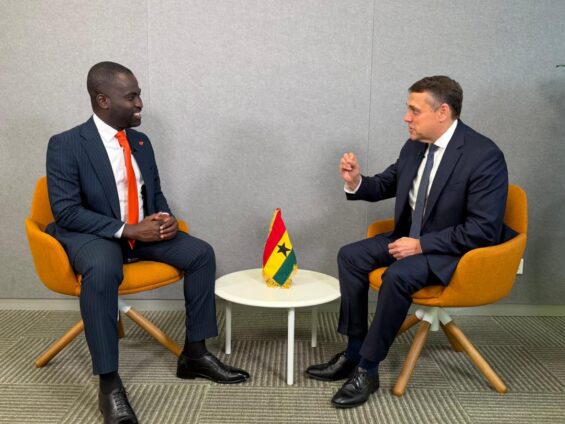
The IMF Mission Chief disclosed this on PM EXPRESS Business Edition with host George Wiafe on May 21, 2026.
He confirmed that IMF staff will present a comprehensive report on Ghana to the Board for approval of the sixth programme review.
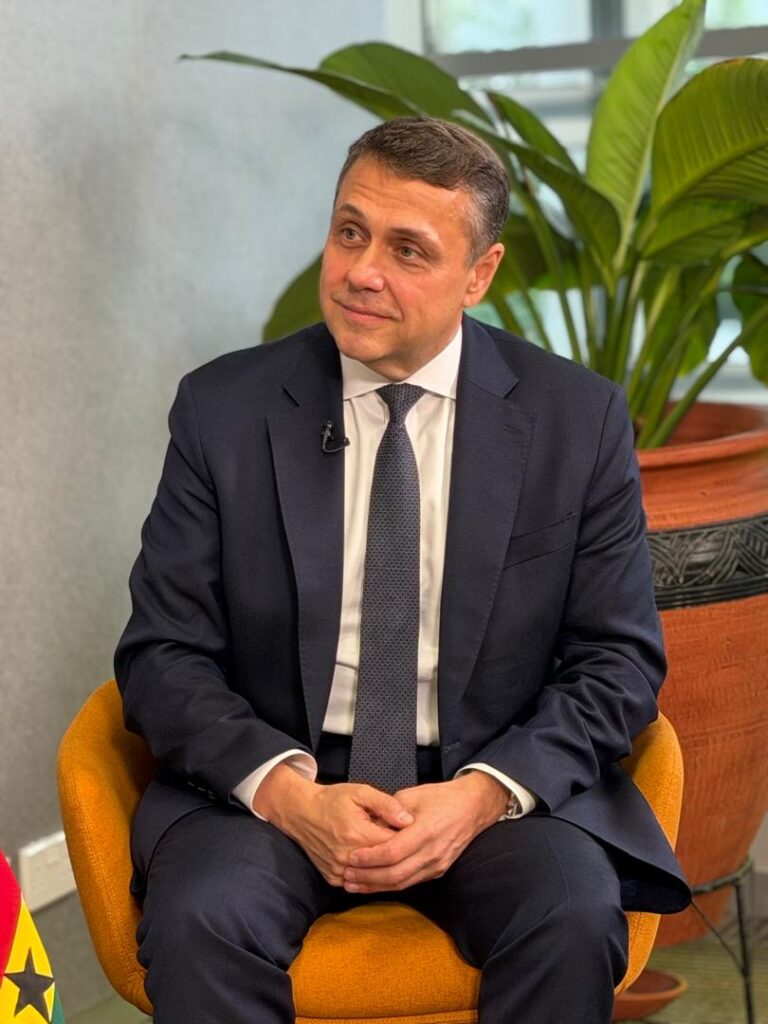
Dr Atoyan explained that once the Board approves the report, the final tranche of more than US$318 million under Ghana’s bailout programme is expected to hit the account of the Bank of Ghana.
The Mission Chief clarified that Ghana’s Extended Credit Facility (ECF) programme has not officially ended despite the recent staff level agreement reached in Accra.
Disbursement under the ECF programme
Since Ghana signed onto the IMF programme in May 2023, the country has received about US$2.8 billion as of December 2025.
If Ghana successfully passes the sixth review and receives the final tranche, the total amount secured under the Extended Credit Facility programme since signing on could reach US$3.2 billion.
The majority of these funds have gone a long way in supporting projects identified in the 2025/2026 budget.
Unlike previous programmes that focused on supporting the Bank of Ghana’s reserves, funding under the current programme was directed toward projects identified in the national budget.
According to the IMF, Ghana’s ECF programme has delivered substantial stabilisation gains driven by strong reform efforts and significant progress in public debt restructuring. These efforts have contributed to sharply lower inflation, stronger external buffers, improved confidence in the cedi, and significant gains in debt sustainability.
The Mission Chief stated that there have also been improvements in the debt trajectory, creating fiscal space to advance development objectives while preserving the hard won stabilisation gains.
He also maintained that sustaining these gains depends on strong implementation of ambitious public financial management and structural reforms aimed at mitigating risks associated with contingent liabilities.
Latest Stories
-
Édouard Mendy annonce sa retraite internationale avec le Sénégal
3 hours -
Lamine Yamal scores twice as Barcelona maintain perfect start
3 hours -
Haaland scores controversial winner for 10-man City at Man Utd
3 hours -
Ghana’s narcotics crisis deepens as drug seizures linked to country top US$1bn – Minority
3 hours -
CAF CC: Nations FC bow out after draw with FC Diarra in Accra
3 hours -
Kenyans dominate 2026 KGL Millennium Marathon as race champions mental health
3 hours -
Minority demands full-scale probe into Ghana’s alleged emergence as narcotics transit hub
3 hours -
NaCCA trains teachers to implement new Chinese language curriculum
5 hours -
Ghana, China deepen cooperation on galamsey and mining sector
5 hours -
JoyNews–Republic Bank Habitat Fair ends on a high note after 3 days of strong patronage, expert engagement
6 hours -
Emma Ofosua takes West African spoken word to three UK cities
6 hours -
Traditional artists will become more expensive because of AI – Aewura Arts
6 hours -
Clients would disappear after I finished their artworks – Aewura Arts recounts challenges
6 hours -
Turkish police detain dozens in raids on gay bars and homes of LGBTQ+ activists
6 hours -
Trump doubles down on united Ireland comments on day two of visit
6 hours