

Audio By Carbonatix
Health experts in Ghana are warning of a deepening crisis in childhood kidney care, as a severe shortage of specialists and vital medical equipment leaves some of the country’s most vulnerable young patients without timely treatment.
Medical professionals say gaps in paediatric kidney services are causing dangerous delays, particularly for children battling end-stage kidney disease who require continuous, highly specialised care to survive. The country currently has just four paediatric nephrologists serving its entire population of over 33 million people.
This acute workforce deficit has forced the vast majority of cases to be referred to three of its major tertiary facilities: Korle Bu Teaching Hospital, Komfo Anokye Teaching Hospital, and the University of Ghana Medical Centre (UGMC). The influx is already placing immense pressure on the already overstretched institutions.
While official training programmes are underway to boost numbers, experts warn the current pipeline remains inadequate to meet the rising demand.
The Head of Paediatric Nephrology at the University of Ghana Medical Centre, Dr. Beatrice Nyann, notes that while childhood kidney cases are fewer than those seen in adults, the treatment gap is a profound concern.
"There’s still a big gap when it comes to younger children with end-stage kidney disease. The numbers are not as huge as the adults, but even if it is 25 or 35 patients, they should get that care," she stated.
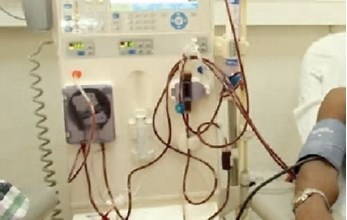
Dr. Nyann explained that UGMC is actively exploring innovative ways to bridge the gap, including the potential introduction of advanced, automated dialysis machines.
“In developed nations, portable or nocturnal dialysis systems allow children to undergo life-saving treatment at home during the night, enabling them to maintain normal daytime activities and attend school. However, such advanced options remain strictly limited in Ghana,” she noted.
With a significant share of Ghana’s population made up of children and young people, the health specialists warn that continued gaps in paediatric care could have long-term implications for the country’s future health outcomes.
Latest Stories
-
Ballon d’Or Power Rankings: Lamine Yamal leads race for Golden Ball ahead of Rodri and Kane
2 hours -
‘Nothing worked for us’ – Gideon Mensah takes responsibility for Gambia defeat
3 hours -
Habib Iddrisu says rejected motion was exactly what triggered Parliament recall
3 hours -
Spain announces ban on evictions after protests over 87-year-old woman’s removal from flat
4 hours -
Habib Iddrisu ‘very surprised’ as Speaker rejects Parliament recall motion
4 hours -
Speaker’s decision to reject recall motion catches Dep Minority Chief Whip off guard
4 hours -
2026 Women’s Super Cup: FC Savannah beat Epiphany Warriors to win trophy for first time
4 hours -
Fifa accuses Uefa of ‘misinformation campaign’
4 hours -
Kane and Gordon give England victory over Czech Republic in Nations League
4 hours -
AFCON 2027Q: ‘The last time Ghana won was eight games ago’ – Carlos Queiroz
4 hours -
AFCON 2027Q: Gambia defeat doesn’t make me a loser – Carlos Queiroz
5 hours -
Yamal inspres Spain to homecoming victory over Croatia
5 hours -
2027 AFCONQ: Late goals seal 2-0 for Côte d’Ivoire against Somalia
5 hours -
I’d stick my Man City medals in bin – Keane
5 hours -
AFCON 2027Q: My resignation won’t solve Ghana football issues – Queiroz
5 hours