

Audio By Carbonatix
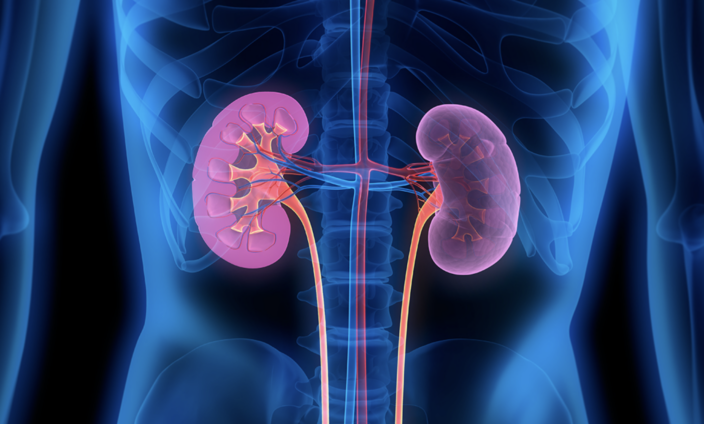
Health experts have raised alarm over the growing burden of chronic kidney disease (CKD) in Ghana, revealing that about 13 per cent of the adult population, an estimated four million, are living with the condition, many without knowing.
Dr Mensah Amoah, a Physician Specialist and Nephrology Fellow, in an interview with the Ghana News Agency on Friday, said the disease was increasingly becoming a public health concern, particularly because most cases in Ghana were detected only when the kidneys had already suffered severe damage.
He said unlike many developed countries where early diagnosis was common, patients in Ghana often reported to health facilities at the final stage of the disease, known as Stage Five or kidney failure.
“At that stage the kidneys have completely failed and the only options are dialysis or kidney transplant, which are extremely expensive and not readily accessible for most Ghanaians,” Dr Amoah said.
Even more troubling, he noted, was that many patients fell within the 20 to 50 age group, the country’s most productive population.
Dr Amoah said chronic kidney disease was often called a “silent disease” because it showed little or no symptoms in its early stages.
“As a result, many people assume they are healthy until the condition reaches an advanced stage,” he said.
He, however, stressed that the disease could be slowed or even prevented from progressing if detected early.
“When kidney disease is identified in the early stages, simple and relatively inexpensive medications used to control blood pressure and diabetes can delay or stop the progression,” the specialist noted.
He said routine screening such as simple urinalysis and kidney function tests at least once every year remained the most effective tool for early detection.
A urine test could reveal early warning signs, including the presence of protein or blood in the urine, which may indicate kidney damage.
“If these abnormalities persist in repeated tests, it gives us a signal that the kidneys may be in trouble and we can investigate further,” the expert explained.
Urinalysis, he added, was widely available in many health facilities and was covered under the National Health Insurance Scheme, making it an accessible first step in screening.
He said individuals living with conditions such as hypertension, diabetes, HIV, hepatitis B, kidney stones or cancer were particularly at risk and were advised to check their kidney health more frequently.
Dr Amoah emphasised that lifestyle choices played a major role in preventing kidney disease, saying “reducing salt intake, eating balanced diets rich in vegetables, maintaining a healthy weight and engaging in regular physical activity are key preventive measures.
“Canned foods, salted fish, corned beef, sausages and other processed products have high levels of salt and can significantly increase blood pressure, which is one of the major causes of kidney disease.”
He recommended regular exercise such as brisk walking, jogging or gym workouts for 30 to 60 minutes three to five times a week could also help lower the risk of hypertension and diabetes.
The Physician warned against the excessive use of certain painkillers and unregulated herbal medicines.
He said the frequent use of some pain medications could reduce blood flow to the kidneys over time and cause damage.
Similarly, some herbal remedies often considered harmless, may contain substances that are toxic to the kidneys.
The specialist recounted the case of a 21-year-old woman who developed severe kidney disease after years of taking herbal preparations to manage menstrual problems.
“When she came to the hospital, she had already developed high blood pressure and stage four kidney disease. After she stopped the herbal medicine and received treatment, her condition improved to stage three,” he said.
Dr Amoah advised the public to exercise caution and seek medical advice before using herbal products regularly.
He acknowledged that maintaining a healthy diet could be challenging for many households as unhealthy foods and sugary drinks were often cheaper and more accessible than fruits and vegetables.
Nevertheless, the Physician encouraged the consumption of whole fruits rather than processed juices, which usually contained concentrated sugar and little fibre.
Latest Stories
-
Trump says he is considering firing US ambassador to Greece
3 hours -
Man City bananas ‘brought fun back’, says Varadi
3 hours -
Meta releases Muse Wonder AI models to challenge Anthropic and OpenAI
3 hours -
Daily Insight for CEOs: The CEO as Chief Decision Maker
3 hours -
Burnham had formal meeting with Man City chair while mayor
3 hours -
Is Ghana producing too many lawyers? What is the best lawyer-to-citizen ratio?
3 hours -
NDC sinking Ghana’s democracy with Emelia Agbenyo’s appointment – Miracles Aboagye
3 hours -
Seedorf back in football as Corinthians head coach
4 hours -
Hincapié and Zubimendi injured in post-match training session
4 hours -
Fridges in French supermarkets hit by cyberattack
4 hours -
Qantas flight grounded after bedbug outbreak
4 hours -
Reality Zone with Vicky Wireko: International Day of the Girl, shaping today’s girl for tomorrow’s future – ZONTA Clubs lead the way
4 hours -
Global health must be led by countries, not designed for them – Mintah Akandoh
5 hours -
Mahama honoured at 2026 World Health Summit in Berlin for global health leadership
5 hours -
Breast cancer is not a death sentence – Besease Kontire Obaapanin, Magmina Foundation lead awareness campaign
5 hours