

Audio By Carbonatix
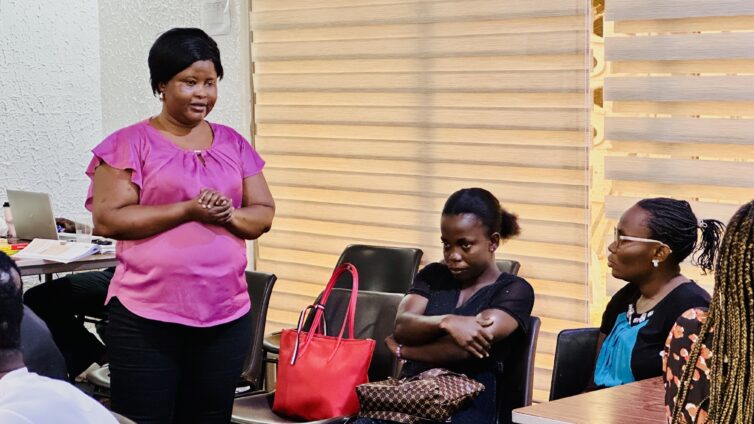
Young women and men with disabilities enrolled in the first cohort of the 2026 We Can Work Academy have begun Core Life Skills training aimed at equipping them with confidence, communication abilities and personal development skills for dignified employment and entrepreneurship.
The training commenced on Monday, June 1, 2026, and is being held simultaneously at three centres: the University of Energy and Natural Resources (UENR) in Sunyani, Women’s Haven in Asokwa in Kumasi, and HapaSpace in Danyame, Kumasi.
Over six weeks, participants will undergo structured training designed to strengthen self-awareness, resilience and workplace readiness before progressing into specialised pathways in employability, entrepreneurship or technical skills.
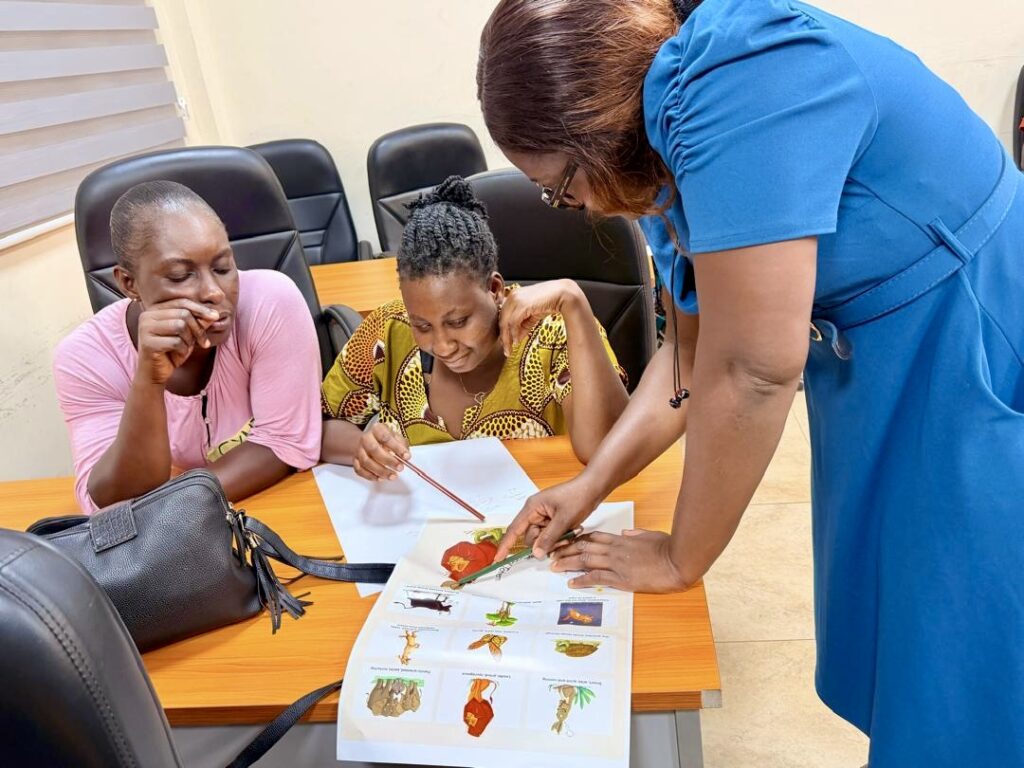
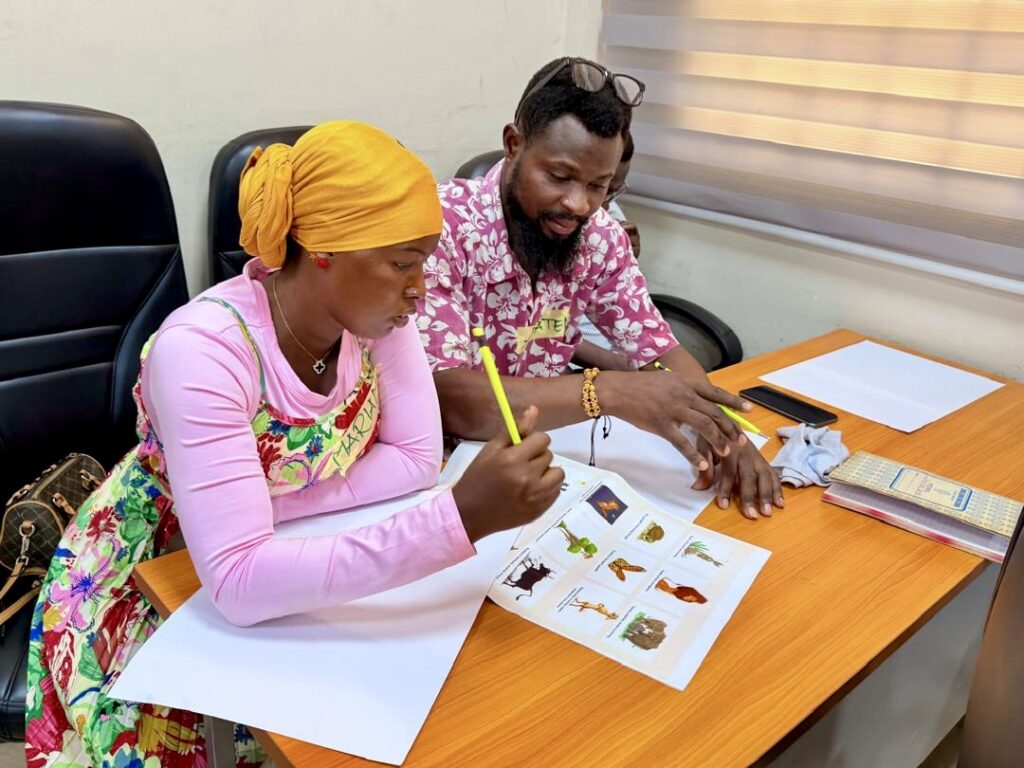
The opening sessions focused on Personal Understanding, a core module that encourages participants to reflect on their experiences and build confidence in embracing their disabilities.
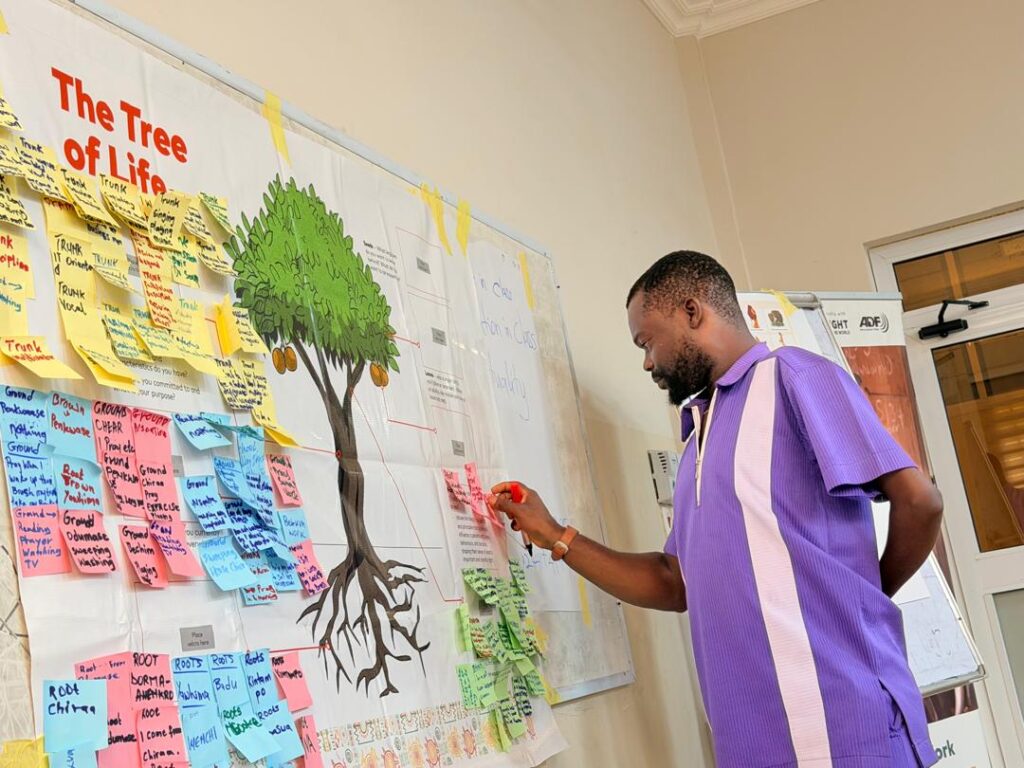
As part of the module, the Tree of Life methodology is being used to help participants identify personal strengths, reflect on life experiences and develop resilience as they prepare for work and enterprise opportunities.
Facilitators say the approach is designed to support young persons with disabilities to build meaningful lives while contributing positively to society.
The programme is being implemented by MDF West Africa in partnership with the We Can Work Academy curriculum.
The broader We Can Work initiative is a regional programme aimed at improving access to decent and fulfilling work for young persons with disabilities across Africa through skills development and systems change approaches.
In Ghana, the programme is being implemented by the Ghana Federation of Disability Organisations in collaboration with Light for the World, the African Disability Forum and the Mastercard Foundation.
The initiative seeks to equip participants with practical life, leadership and vocational skills to support employment, entrepreneurship and national development participation.
Organisers say the first cohort marks an important step in expanding inclusive skills development opportunities for persons with disabilities across the country.
Latest Stories
-
Team Volta wins NPA 2026 Staff Welfare Week Quiz
4 minutes -
Team Eternity Ghana releases new album “The Promise – Phase 1”
9 minutes -
Inside the human genome: Why scientists are still discovering who we are
12 minutes -
PAC grills Central Regional Coordinating Council over GH¢14.9m payments processed outside GIFMIS
19 minutes -
Ghana’s industrial dream at risk? How the Yuan policy could deepen China dependence
20 minutes -
Teachers’ strike: Government has funds, but processes are causing delays – Education Committee Vice Chair
26 minutes -
Afenyo-Markin urges Christian Council to intervene over arrests linked to free speech
26 minutes -
GCB Bank urges MSMEs to formalise businesses for easier access to finance
28 minutes -
Criminal cases must be tried in ordinary courts – Prof. Oquaye opposes tribunals
29 minutes -
Ghana, India sign MoUs to deepen cooperation in agriculture, healthcare, railways and ICT
57 minutes -
Pete Edochie becomes first Pan-African honouree of Ghana’s Legacy Project
1 hour -
GCB MSME Caravan Clinic unfolds in Accra, boosting support for Ghanaian small businesses
1 hour -
AMA urged to crack down on unauthorised billboards in Accra
1 hour -
Obuasi East Assembly orders removal of containers from road reservation
1 hour -
From selling body splash to Best Female Graduating Student at UDS – Hamdia’s inspiring journey
1 hour