


Audio By Carbonatix
The Central Tongu District in the Volta Region is scaling up awareness efforts to address rising cases of teenage pregnancy, which officials describe as a persistent socio-economic and public health challenge affecting adolescents in the area.
The District Chief Executive, Addison Mornyuie, has identified the phenomenon as a serious concern driven by a combination of social pressures, economic hardship, and gaps in parental guidance.
He made the remarks during an educational outreach programme held at Mafi-Sasekpe, where health professionals engaged adolescents on menstrual hygiene management and reproductive health awareness.
Speaking to journalists on the sidelines of the event, Mr Mornyuie stressed that sustained education for both young people and parents remains central to efforts aimed at reversing the trend.
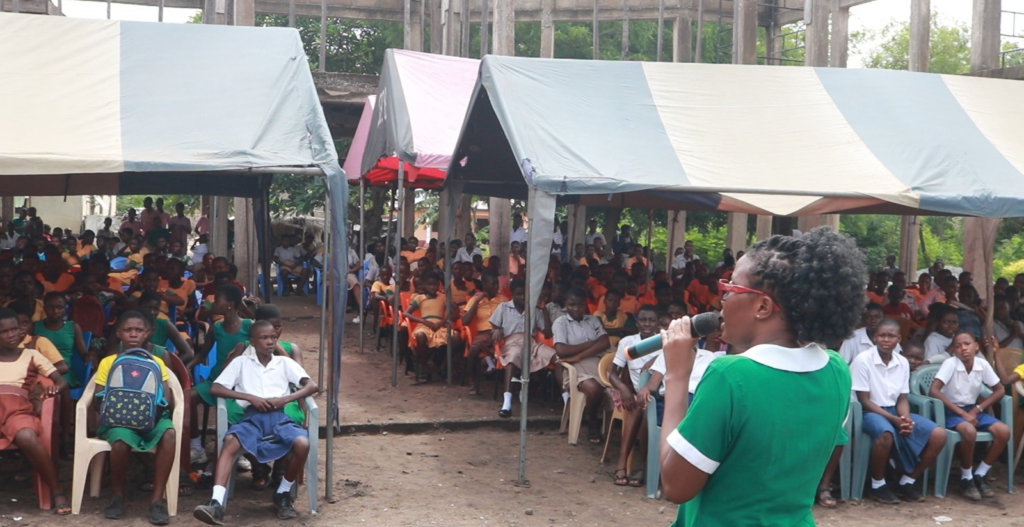
He also indicated the Assembly’s willingness to partner non-governmental organisations, civil society groups and individuals to strengthen community-wide sensitisation campaigns.
“We need to invite on board some NGOs. We need to invite on board individuals who have the interest and wellbeing of our children at heart,” he said.
The programme also brought together traditional leadership, including the Queen Mother of Mafi-Sasekpe, Mamaga Klebetesi III, who raised concerns about what she described as declining parental responsibility in the upbringing of the girl-child.
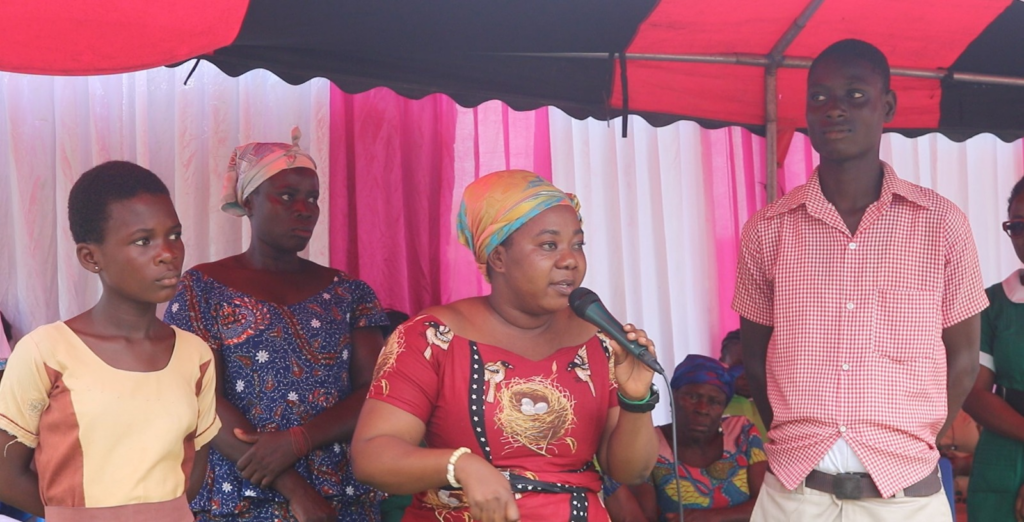
She appealed for greater investment in education and healthcare in the community, urging philanthropists and corporate organisations to support local development initiatives.
According to her, misconceptions about the importance of girls’ education continue to undermine progress in the community.
The initiative was led by Ethel Tsidi, a Senior Staff Midwife at the Mafi-Sasekpe Health Centre, who explained that the outreach was designed to close knowledge gaps around menstruation and teenage pregnancy among adolescents.
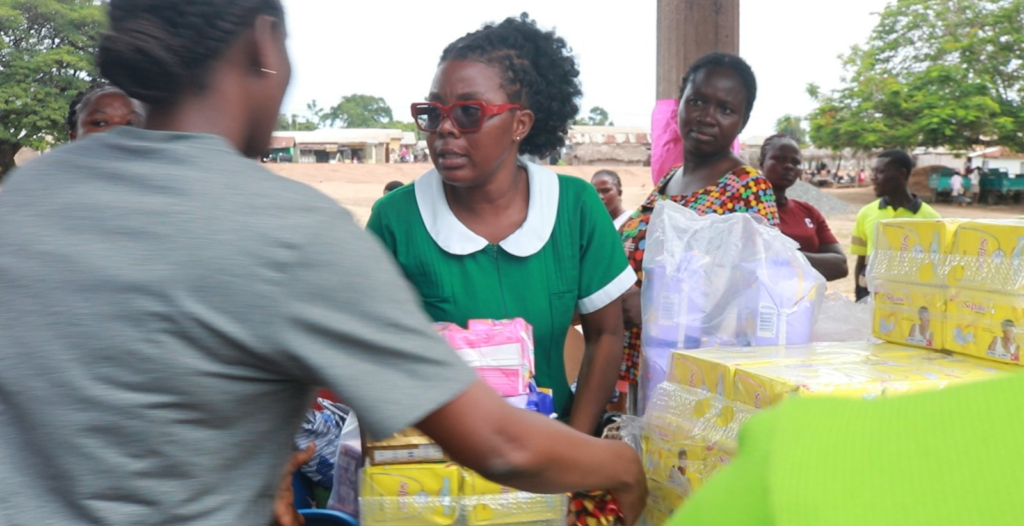
She noted with concern that health workers are increasingly recording pregnancies among girls as young as 12, a development she described as alarming.
Ms Tsidi emphasised that equipping young girls with accurate reproductive health information would empower them to make informed decisions and reduce their vulnerability to early pregnancy.
Teenage pregnancy remains a major challenge in Central Tongu, with data indicating persistently high prevalence rates over the years.
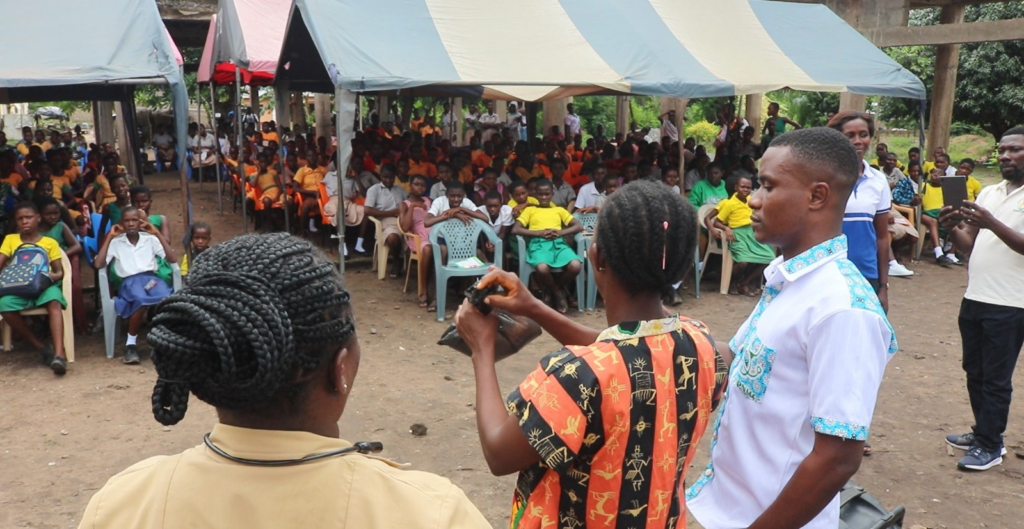
Public health experts attribute the trend to inadequate sexual and reproductive health education, poverty, peer influence, sexual abuse, child neglect and weak parent-child communication.
Latest Stories
-
T-bills auction: Government fails to achieve target; yield on 91-day-bill remains unchanged
9 minutes -
It’s Ghana’s shame to denigrate Nkrumah when the whole world honours him as African of the Century – Asiedu Nketiah
17 minutes -
No other nationalist can compare to Nkrumah – Asiedu Nketiah
24 minutes -
Collateral Registry: Foreign banks accounted for GH¢19.9bn of secured credit in quarter 2, 2026
24 minutes -
This government should expect scrutiny – Asiedu Nketiah
49 minutes -
Two-year-old girl dies in domestic fire at Cantonments
2 hours -
Asiedu Nketiah urges better working conditions for journalists
2 hours -
JoyNews’ Precious Semevoh wins climate change reporting award at Bono GJA Awards
2 hours -
Kumasi Central Market phase 2 to begin in October after years of abandonment
2 hours -
Sentuo offers fuel supply reassurance as NPA sees steady output through December
3 hours -
Ghanaian smock showcased at Lesotho Tourism Summit
3 hours -
Four pupils to one desk: The painful plight of schools in New Juaben North
4 hours -
Ipswich launch investigation into racist abuse of Abdul Fatawu
4 hours -
Arrest of Techiman nurse is purely political persecution – ‘Ghana Jollof’
4 hours -
Isak nets winner as Liverpool edge Bournemouth
5 hours