

Audio By Carbonatix
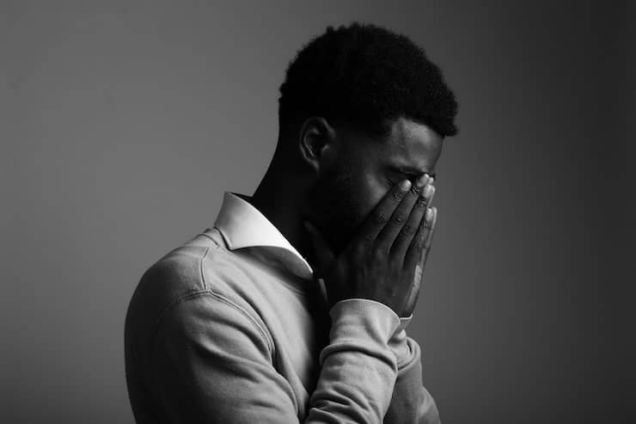
When people talk about domestic abuse, the image that often comes to mind is a woman as the victim and a man as the perpetrator. It is a reality reflected in many reported cases, but it has also created a difficult conversation around another group of victims, men who experience abuse but struggle to speak about it.
For many men, admitting they are being abused means confronting not only the pain of the experience but also society’s expectations of what it means to be a man.
The Burden of “Being a Man”
Many fear they will not be believed. Others worry they will be mocked, labelled as weak, or seen as incapable of leading their families.
A counsellor at the University of Media, Arts and Communication – Institute of Journalism (UniMAC-IJ) Dr. Godfred Arko Osei explained that these fears continue to prevent many men from seeking help.
“Many men fear they won’t be believed or that they’ll be mocked. Some worry that speaking up will make them appear weak or incapable of leading their families. Others stay silent because they want to protect their children or avoid public embarrassment,” he said.
From childhood, many boys are taught to “be strong,” “man up,” and hide their emotions. While these lessons are often intended to build resilience, they can also make it difficult for men to admit when they are hurting or when they have become victims of abuse.
A study by Efua Esaaba Mantey, published in the African Journal of Social Work and available on the University of Ghana Repository, examined the experiences of male victims of domestic violence in Accra. The study found that many men do not report abuse due to stigma, societal expectations of masculinity, and the fear of not being believed.
Seven years on, the issue remains a difficult conversation.
When Silence Becomes the Response
In 2026, some male students of UniMAC-IJ who were approached as respondents for this story to share whether they would report abuse in a relationship declined to participate. Their decision not to participate highlighted the difficulty of engaging men in conversations about abuse and the sensitivity that continues to surround the issue.
The effects of abuse, however, often go beyond what is visible.
According to the counsellor, some signs that a man may be experiencing abuse include withdrawal from family and friends, anxiety, depression, low self-esteem, constant fear of upsetting a partner, and losing confidence in decision-making. These signs are often overlooked because society frequently assumes that men are always the stronger partner in relationships.
Changing the Conversation Around Male Victims
The media’s portrayal of domestic abuse has also contributed to how society views male victims. While stories of women as victims and men as perpetrators reflect many real cases, the counsellor believes the limited visibility of male victims can make it harder for men to come forward.
“In Ghana, there have been instances where men shared their experiences online and were met with jokes instead of empathy, making other men even more reluctant to speak out,” he noted.
He believes addressing domestic and emotional abuse requires recognising that abuse can affect anyone, regardless of gender. The counsellor called for more balanced media coverage and confidential support services that cater to both men and women.
“Most importantly, we should create an environment where men can ask for help without fear of ridicule or judgment,” he said.
Until that happens, many men may continue to suffer silently, not because they do not need help, but because they fear what society will say when they ask for it.
Latest Stories
-
Valencia sack Corberan and chief executive
1 hour -
Ronaldo demands lifetime bans over Jota chants
1 hour -
Arsenal to contact Pro Ref over Konsa penalty
2 hours -
No weekend game for Manchester derby VAR officials
2 hours -
AI ‘kill switch’ may need to be mandatory, Anthropic co-founder says
2 hours -
‘Culture shift’ needed in how UK does business, PM urges
2 hours -
SHS placement crisis? GES says 95% of students are already placed
2 hours -
ITF World Tennis Tour Juniors: J60 stage begins in Accra
2 hours -
Absa Bank named winner of Bancassurance Leadership Award at 2026 Ghana Insurance Awards
3 hours -
Mr. Aloysius Kwesi Acquah Snr aka Kwesi Anfo
3 hours -
NACOC’s cocaine suspects arrest commendable, but it cannot run on ‘charity’ to fight drug cartels
3 hours -
Gov’t cannot deny what it has already set in motion – Former NaCCA boss challenges Mahama on Arabic, Chinese policy
3 hours -
Telecel Foundation marks Fetu Afahye with HealthFest
3 hours -
IEAG calls for urgent intervention to decongest ports
4 hours -
Strong financial, technical capacity non-negotiable for Accra-Kumasi Expressway – Agbodza
4 hours