

Audio By Carbonatix
Before the passage of laws to protect women and children can achieve their intended impact, societies must first transform the values and attitudes that normalise abuse, says the Member of Parliament for Salaga South, Zuwera Mohammed Ibrahimah.
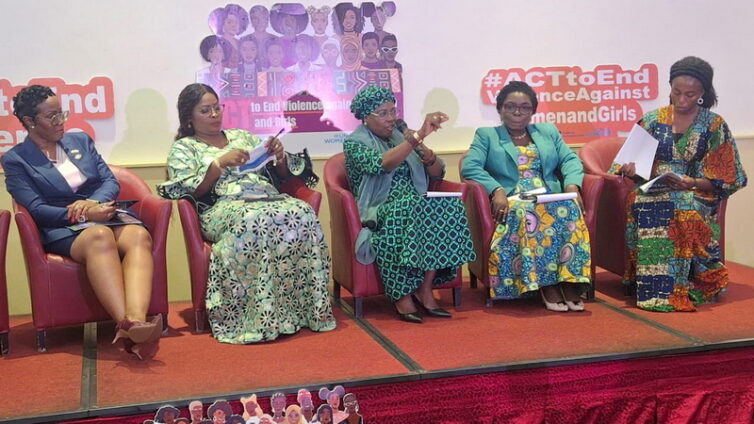
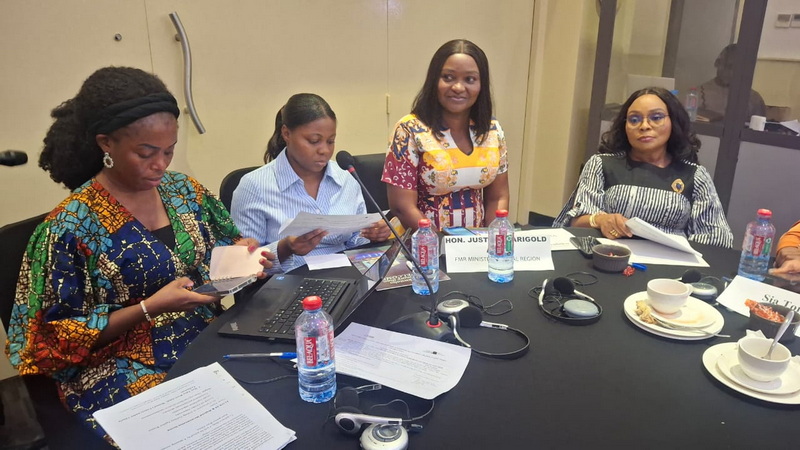
The legislator advocated the stance at the West Africa Female Parliamentarians Peer Review Conference in Accra, where women parliamentarians and civil society organisations are discussing regional strategies to combat violence against women and girls.
Zuwera Ibrahimah, who is also the Vice Chairperson of Parliament's Gender, Children and Social Welfare Committee, said legislation alone is insufficient if it is not effectively implemented and supported by broader societal change.
She stressed that while Parliament has enacted laws aimed at protecting vulnerable groups, the real challenge lies in ensuring those laws translate into meaningful protection for women, girls and children.
"As legislators, our responsibility goes beyond passing laws. We must ask ourselves how those laws are implemented and how they improve the lives of the people they are intended to protect," she said.
The MP, who also serves on Parliament's Foreign Affairs and Water and Sanitation Committees and works closely with the Human Rights Committee, said ending gender-based violence requires a holistic approach that combines legislation, public education and cultural transformation.
She argued that one of the most powerful tools available to society is socialisation within the family, where attitudes and behaviours towards women are first formed.
According to her, mothers, fathers and other family members have a critical role in raising boys to respect women and girls as equal partners deserving of dignity and human rights.
"Women have a unique role in shaping families and communities. We should use that influence to raise sons who respect women and understand that women are partners, not people to dominate or abuse," she said.
She called on families to challenge harmful behaviours even when they involve close relatives, saying solidarity with victims should take precedence over protecting perpetrators.
The MP urged mothers, sisters and extended family members to speak out against domestic violence and other forms of abuse, regardless of who commits them.
She noted that many African societies share similar cultural traditions, creating an opportunity for countries across the region to work together in reshaping social norms that perpetuate gender-based violence.
"Our cultures have many similarities across West Africa. That gives us an opportunity to collectively promote values that encourage mutual respect, equality and peaceful relationships within families," she said.
Zuwera Ibrahimah said teaching boys from an early age to respect their sisters and women generally would help reduce violence in future generations.
She encouraged parents to model healthy relationships at home, explaining that children often carry lessons from their upbringing into adulthood.
"If we want our daughters to be treated with dignity when they become wives and mothers, then we must also teach our sons to treat women with dignity and respect," she said.
She further emphasised that violence against women is fundamentally a human rights issue and should be addressed as such.
While acknowledging the importance of legal reforms, she maintained that sustainable progress would only be achieved when families, communities and institutions work together to change deeply rooted attitudes that enable abuse.
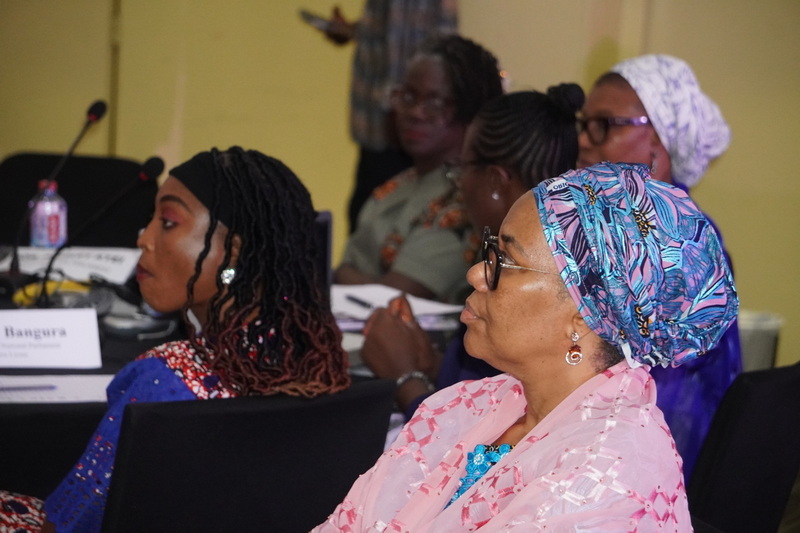
The West Africa Female Parliamentarians Peer Review Conference brought together female lawmakers, civil society organisations and development partners from across the sub-region to share experiences and develop common approaches to ending violence against women and girls, strengthening gender-responsive legislation and improving implementation of existing laws.
Latest Stories
-
John Boadu pledges unity, reconciliation as he takes over as NPP National Chairman
1 minute -
‘Whatever the personal cost, I will not abandon my duty’ – Baffour Awuah assures Salomey Bafoh
3 minutes -
Government to increase funding for Houses of Chiefs to speed up dispute resolution
5 minutes -
Govt’ to introduce digital property rate system to boost MMDAs’ revenue – Mahama Ayariga
7 minutes -
Traditional Medicine Practice Council closes three unlicensed spa and massage centres in Ashanti Region
9 minutes -
Let’s accept the reality and move along – Mike Oquaye on NPP’s decision to make flagbearer party leader
11 minutes -
Early presidential primary helped cool tensions in NPP – Prof. Mike Oquaye
29 minutes -
NDC congratulates new NPP executives, urges national interest above party interests
31 minutes -
NPP implementing 2024 election review recommendations in stages – Prof Mike Oquaye
33 minutes -
Ghana Rugby Union announces managerial changes
33 minutes -
US removes all bombers from RAF Fairford base
34 minutes -
France closes up to 500 schools Monday over student protests
34 minutes -
Girl, 12, fatally shot in US during ‘dispute over parking space’
35 minutes -
NPP is a party for all classes – Prof. Mike Oquaye
36 minutes -
Chief Justice urges Judiciary to strengthen foundations of justice
36 minutes