

Audio By Carbonatix
The government says ongoing reforms in Ghana’s energy sector are aimed at improving financial sustainability, reducing costs and preventing a return to the accumulation of large outstanding debts owed to Independent Power Producers (IPPs).
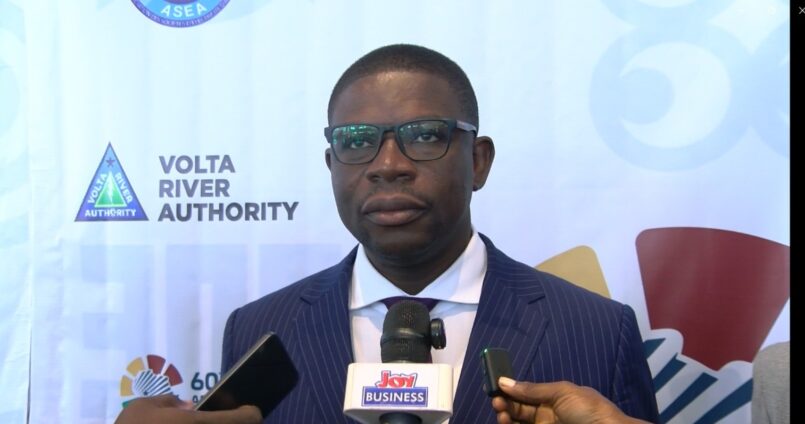
The Deputy Energy Minister, Richard Gyan-Mensah, says the sector has recorded significant improvements despite inheriting challenges, including high IPP debts and system inefficiencies.
Speaking at the 60th Annual Meeting of the Association of Power Utilities of Africa, Mr Gyan-Mensah said the government’s renegotiation of IPP agreements has already generated savings of more than $240 million, while additional measures are being pursued to reduce costs across the sector.
He explained that government is also focusing on tariff reviews and strengthening the cash waterfall mechanism to improve revenue management and ensure sustainability.
“Which is one of the reasons why we keep saying that we haven’t gone back to the system where we have high outstanding debts, because we are able to pay IPPs. Some IPPs are being paid almost about 80 to 90%, and we are looking forward to a time where we will be able to achieve 100 percent monthly IPP payments,” he said.
The Deputy Energy Minister added that improved collections by the Electricity Company of Ghana (ECG) and the Northern Electricity Distribution Company (NEDCo) are contributing to stronger financial discipline within the sector.
Meanwhile, the Chief Executive Officer of the Volta River Authority (VRA), Edward Obeng Kenzo, emphasised the importance of reliable and affordable electricity in supporting Ghana’s economic development.
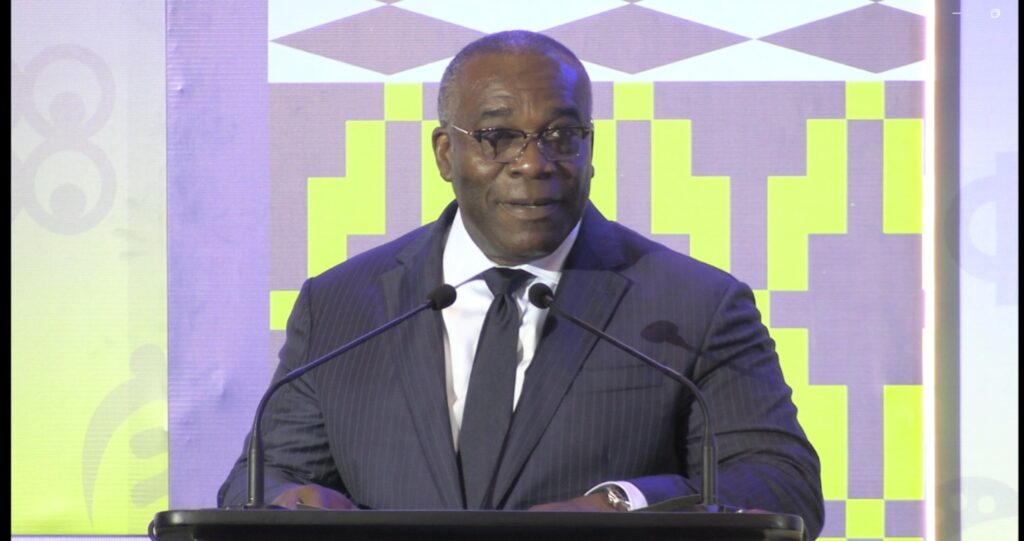
He said a stable power supply remains the foundation for expanding industrial activities, supporting the mining sector and enabling small and medium-sized enterprises to grow.
“The bedrock now of the economy is reliable and affordable electricity power to power the mining industry as well as small and medium [enterprises],” Mr Obeng Kenzo said.
The remarks come as stakeholders continue to push for a more resilient and financially sustainable energy sector capable of supporting Ghana’s broader economic transformation agenda.
Latest Stories
-
Autopsy shows Hayden Panettiere died from a drug overdose
4 hours -
Earl Spencer should pull Diana book from shelves, Piers Morgan says
4 hours -
IMF tells advanced economies to ‘bring debt down’ as borrowing costs rise
4 hours -
‘I have never felt heat like that’ – a survivor on watching 33 cellmates die in Nigeria
5 hours -
16 arrested, 4 printing hubs busted in major counterfeit currency crackdown
5 hours -
Sir Jim Ratcliffe suspends production at key UK plants blaming high gas prices
5 hours -
Major US outlets suspend shared Trump coverage in protest at media ban
5 hours -
Trump says he would back ban on diesel exports
6 hours -
Lekzy DeComic to feature four generations of comedians on upcoming show
6 hours -
Nigeria wins arbitration as Sunrise’s $400 million hydropower claim dismissed
6 hours -
Xhaka under investigation over Covid-19 certificate
6 hours -
FAW chief questions Infantino’s Fifa reform claims
6 hours -
La Liga chief dismisses Real’s ref conspiracy claims
6 hours -
GMA rejects claims its vessel monitoring system is ineffective
6 hours -
I was close to joining Liverpool in 2016 – Mbappe
7 hours