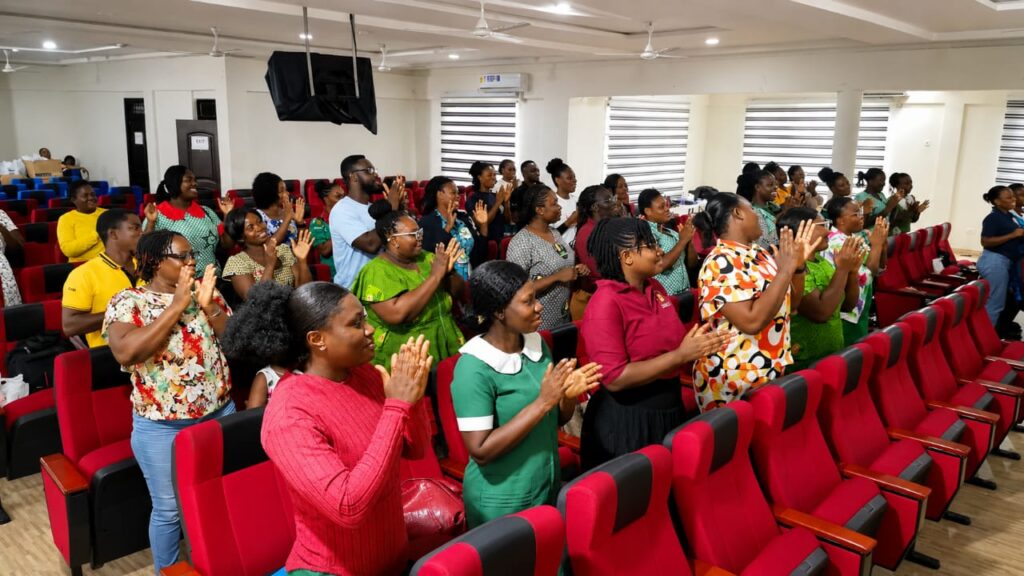
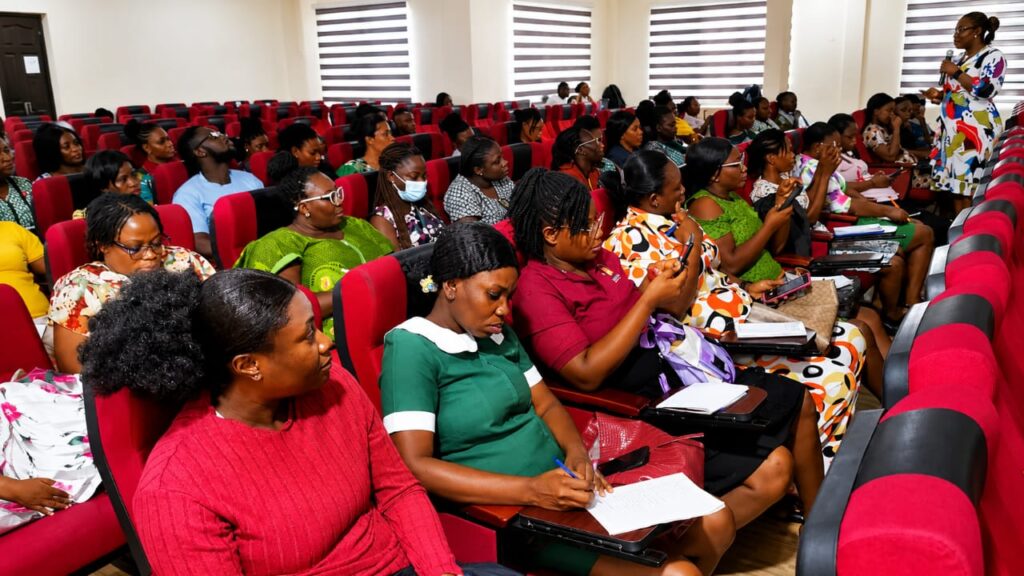
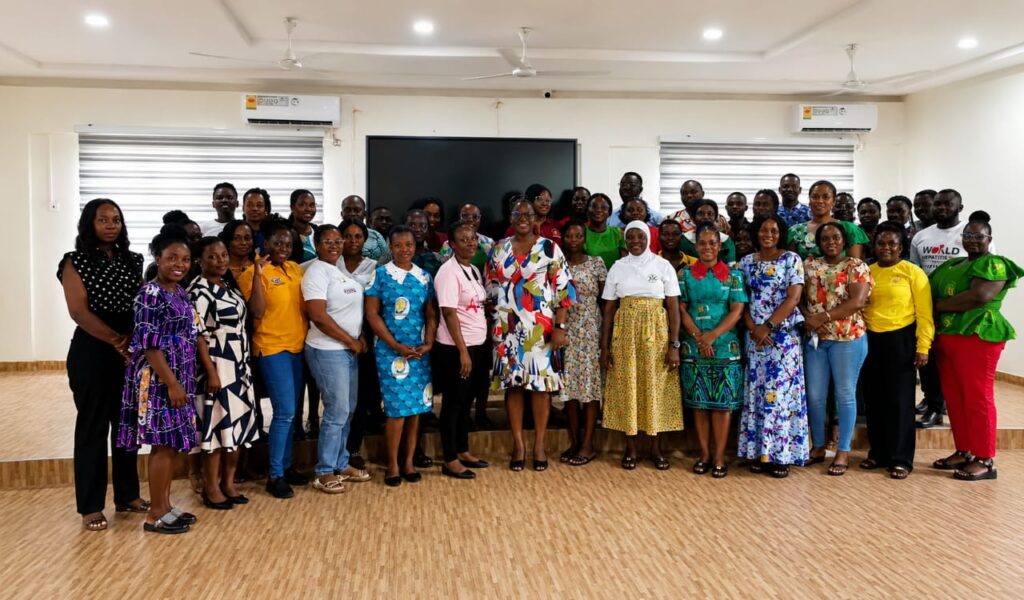
About 100 health service providers have undergone training to strengthen support for pregnant adolescents following the expansion of the Safety Net Intervention to an additional 44 health facilities in the Central Region.
The participants, comprising midwives, community health nurses, health information officers and district focal persons, were equipped with the knowledge and skills needed to deliver adolescent-friendly maternal and child healthcare services.
The Safety Net Intervention is a partnership between the Ghana Health Service (GHS) and UNICEF aimed at improving health outcomes for pregnant adolescents by integrating adolescent-friendly maternal and child health services into routine healthcare delivery.
Speaking at the training workshop, the Central Regional Adolescent Focal Person for the intervention, Emma Delali Foli, said the expansion made it necessary to build the capacity of frontline health workers.
"In the Central Region, we've been implementing the programme since 2020. We started with six districts and a few facilities. Currently, it is being implemented in 16 districts and 176 facilities. The intervention is now being expanded to an additional 44 facilities, and it was necessary to train service providers to enable them to provide quality maternal and child health services to pregnant adolescents to improve pregnancy outcomes," she said.
She explained that the two-day workshop introduced participants to the objectives, components and reporting requirements of the programme, while preparing them to train other colleagues at their respective health facilities.
"This is new to them, so they have been trained on the concepts, objectives and goals of the Safety Net Intervention. The components of the intervention, as well as the importance of documentation and reporting, have also been emphasised.
"The expectation is that when they return to their facilities, they will train other colleagues so they can also implement the intervention. We also expect them to enrol adolescents early enough onto the programme so they can enjoy its full benefits," she added.
With UNICEF's continued support, the intervention was expanded in 2024 to cover 16 of the Central Region's 22 districts, reaching 132 health facilities. The latest expansion increases coverage to 176 health facilities, further extending access to comprehensive adolescent-friendly maternal healthcare services.
Since its introduction in 2020, the programme has supported more than 5,000 pregnant adolescents across the Central Region.
Ms Foli commended UNICEF and the Ghana Health Service for their continued commitment to the initiative but stressed the need to ensure its long-term sustainability.
"We are grateful to UNICEF for supporting the implementation of the intervention. However, we are also thinking about sustainability and what we can do to ensure adolescents continue to benefit from the programme even in the absence of funding. Our goal is to put measures in place that will allow them to continue accessing these services and improve their overall health outcomes."
Adolescent pregnancy remains a significant public health and social challenge in Ghana despite sustained efforts to reduce its incidence. Many young girls continue to experience unintended pregnancies and require specialised maternal healthcare and psychosocial support.
The Safety Net Intervention seeks to bridge that gap by improving access to adolescent-responsive maternal healthcare through home visits, community outreach, support group meetings and referrals to essential social services.
DISCLAIMER: The Views, Comments, Opinions, Contributions and Statements made by Readers and Contributors on this platform do not necessarily represent the views or policy of Multimedia Group Limited.
DISCLAIMER: The Views, Comments, Opinions, Contributions and Statements made by Readers and Contributors on this platform do not necessarily represent the views or policy of Multimedia Group Limited.