

Audio By Carbonatix
The Ghana AIDS Commission, in collaboration with the AIDS Healthcare Foundation (AHF), has called for stronger media engagement and responsible communication to support efforts to end AIDS as a public health threat in Ghana.
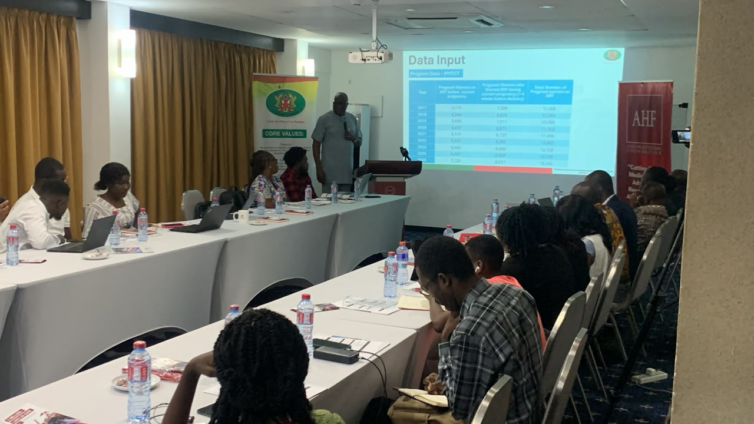
The call was made during a media engagement programme focused on improving HIV reporting, addressing stigma, and promoting accurate public awareness about the spread of HIV and national and subnational HIV estimates on Tuesday, August 4.
In his welcome remarks, Director General of the Ghana AIDS Commission, Dr Kharmacelle Prosper Akanbong, stressed the important role of the media in shaping public perceptions and influencing behaviours.
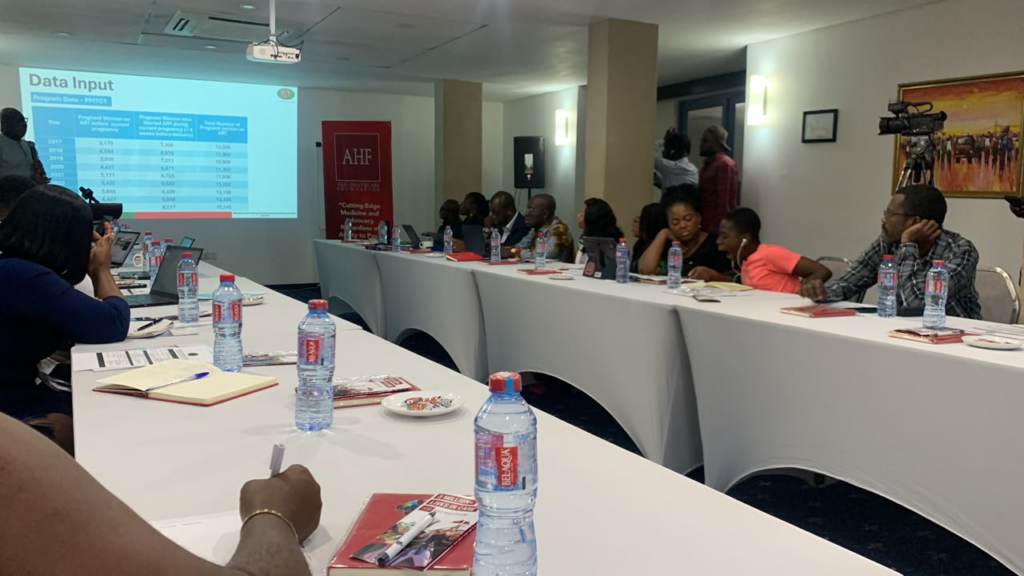
“As media partners, you are not merely reporters of events. You are strategic partners in Ghana’s efforts to end AIDS as a public health threat. Every headline you write, every radio discussion you moderate, every television interview you conduct, and every social media post you publish has the potential to influence behaviours, shape perceptions, and ultimately save lives,” he said.
He called for sustained commitment from media practitioners towards responsible HIV reporting, noting that the media remains critical in reducing stigma, promoting healthy behaviours, increasing demand for HIV services, and sustaining national efforts to end AIDS.
“Together, we can reduce stigma, promote healthy behaviours, increase demand for HIV services, and sustain national commitment towards ending AIDS,” he added.
Presenting remarks from the AIDS Healthcare Foundation, Country Programme Manager Dr Elia E. Houphouët urged journalists to adopt intentional and sensitive approaches when reporting on HIV-related issues.
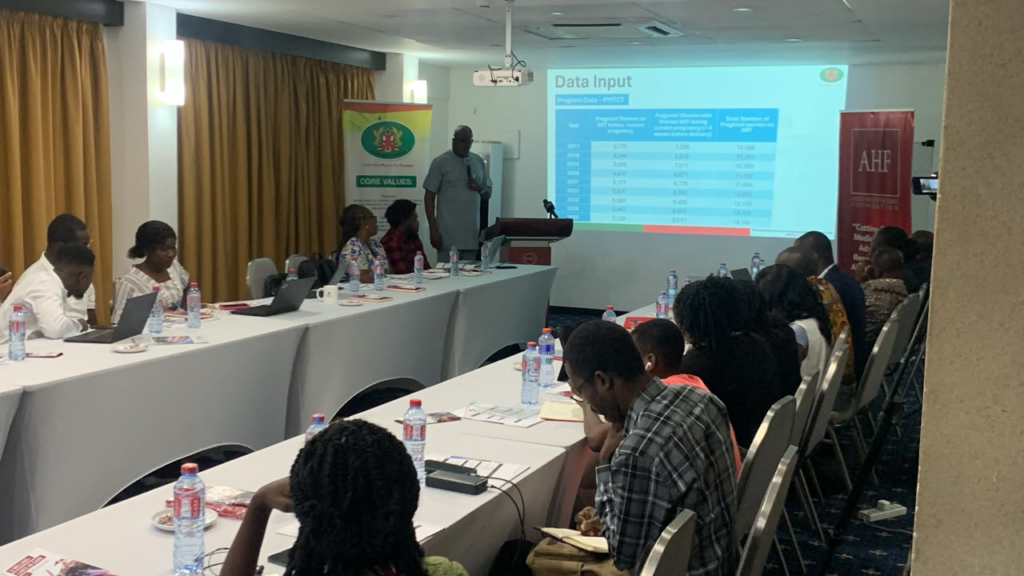
She cautioned against the use of sensational headlines and language that could reinforce stigma, stressing the need for reporting that protects the dignity of people living with HIV.
“Instead of using catchy headlines, the media must ensure the protection of human dignity. We must report with empathy,” she said.
Dr Houphouët further encouraged journalists to tell stories that focus on people’s experiences and realities rather than reinforcing negative stereotypes.
“As members of the media, we can tell stories that humanise rather than dehumanise. Responsible HIV reporting can help change perceptions, encourage testing, and support people living with HIV to seek care without fear of discrimination,” she added.
Latest Stories
-
Police arrest suspect over jewellery theft during fire outbreak
36 minutes -
EOCO returns Hanan’s £6,700, GH¢2,750 and devices after defence challenge
45 minutes -
Opplift Youth Entrepreneurs Summit 2026 equips entrepreneurs with skills, mentorship and support
58 minutes -
Rival clubs want range of punishments for Man City
1 hour -
Tear gas in Paris and Marseille as school protests grow across France
1 hour -
Kane inspires England to win over Czech Republic in UEFA Nations League
1 hour -
Finland orders halt to work on two Google data centres
2 hours -
Substitute Merino scores twice as Spain win in Croatia
2 hours -
Ronaldo wants Portugal ‘punishment’ but not retiring
2 hours -
White House defends Trump comment to let Iran ‘take out’ LA and San Diego
2 hours -
Asos confirms hackers sent ‘unauthorised’ notification to app users
2 hours -
US televangelist Jim Bakker, disgraced from sex scandal and fraud, dies at 86
2 hours -
Congolese-born golfer to represent Ghana at Turkish Airlines World Cup grand final
2 hours -
Amazon wins global rights to stream Emmys in six-year deal
2 hours -
European Film Festival returns to Ghana after a 5-year break
2 hours